Ugandan CSOs urge inclusive, gender-responsive climate action at COP30 in Brazil
FemEarth Organisation, Western Media for Environment and Conservation (WEMECO), and Liberty ProBono Initiative are urging that global climate decisions translate into real benefits for the country’s most vulnerable communities, particularly women, girls, refugees, and persons with disabilities.

As Uganda participates in the 30th Conference of Parties (COP30) on climate change in Belem, Brazil, under the global theme “Delivering on the Paris promise,” a coalition of Ugandan civil society organisations (CSOs) is spearheading a call for urgent, inclusive, and gender-responsive action from world leaders, climate financiers, and the Ugandan government.
FemEarth Organisation, Western Media for Environment and Conservation (WEMECO), and Liberty ProBono Initiative are urging that global climate decisions translate into real benefits for the country’s most vulnerable communities, particularly women, girls, refugees, and persons with disabilities.
The global summit, which officially commenced on November 10, 2025, has already seen significant developments. Delegates in Belem have fast-tracked the operationalization of the Loss and Damage fund, announcing $250 million in calls for proposals, thereby moving from design to opening a vital channel for support to developing countries at the frontline of climate change.
Additionally, $2.8 million has been allocated for farmer adaptation and resilience, aimed at strengthening food systems and increasing support for smallholder farmers in poorer regions bearing the heaviest load of weather extremes.
Uganda has reiterated its commitment to climate action through its Nationally Determined Contribution (NDC), pledging a 2.7% emission reduction below business as usual by 2030.
The country also launched its Climate Finance Strategy (2025 – 2030) to mobilise necessary resources. Uganda’s national position at COP30 underscores its emphasis on adaptation, resilience, loss and damage, nature-based solutions, and accessible climate finance.
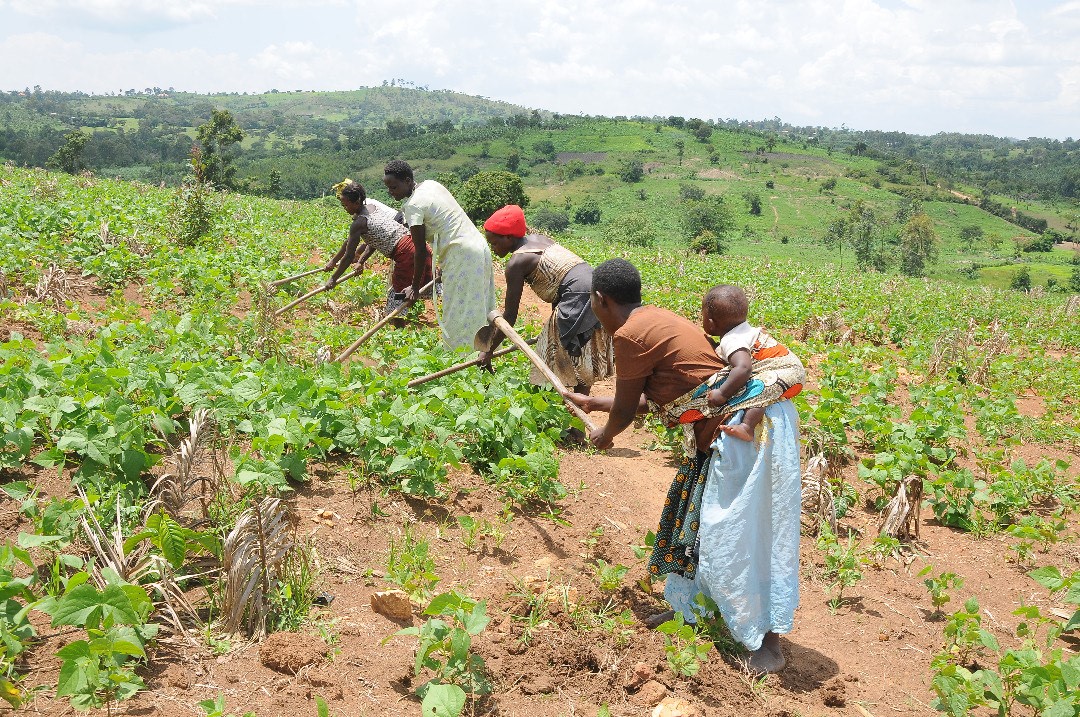
However, despite these national and global commitments, concerns remain regarding whether rural women, girls, refugees, and persons with disabilities – who consistently bear the brunt of climate impacts – are adequately empowered to access climate finance, technology, and adaptation opportunities.
Joan Akiiza, Executive Director at FemEarth Organisation, highlighted the systemic issues at play. “Systems and structures that exploit nature continue to be the same that violate rights of women and girls, thereby exposing them to climate injustices,” Akiiza stated.
She pointed to patriarchy, capitalism which advances profit maximization, social norms, and cultures as factors that have consistently excluded women from climate change discussions, advocating for “transformative leadership for women in climate change agendas.”
Peter Akugizibwe, Executive Director for WEMECO, echoed these concerns, noting that “gender disparities in access to credit and technology continue to impoverish women and girls, lowering their adaptive capacity and increasing their exposure to climate risks.”
Doreen Namara, Chief Executive Officer of Liberty ProBono Initiative, issued a stark warning: “Uganda’s continued investment in fossil fuels and false climate solutions threatens to worsen climate impacts, with women and girls facing the greatest losses unless the country commits to a just and inclusive transition.”
The organisations emphasize that prioritizing women and equipping them with the necessary adaptation capacities and technologies has far-reaching benefits, including environmental conservation, poverty reduction, and achieving sustainable development goals.
In light of these challenges, the organisations collectively demanded specific actions from world leaders, financiers, and the Ugandan government:
- Provide predictable, transparent, and equitable climate finance systems that channel resources directly to where they are needed most, particularly into the hands of grassroots women and communities driving transformative climate action.
- Deliver concrete commitments that scale up adaptation finance, strengthen institutional capacity, and embed locally led, gender-responsive, and rights-based approaches at the heart of global resilience efforts.
- Invest in technologies, tools, and capacity building that can help grassroots women, girls, and farmers adapt, build resilience, and strengthen local food systems that feed and employ millions of people. This includes strengthening climate-smart decision-making, risk preparedness, and inclusive innovation across agricultural systems.
- Accelerate a just, inclusive, and responsive transition to renewable energy and phase out fossil fuels that contribute immensely to rising temperatures due to emissions. This transition must explicitly respond to women’s social and economic contexts.
- Develop standardized methodologies for assessing both the economic and non-economic costs of loss and damage. These methodologies are essential to support countries in planning processes and in preparing robust technical and funding proposals.
- Ensure all climate policies and finance mechanisms are gender-responsive and inclusive, guaranteeing that women, particularly those in rural and marginalized communities, have equitable access to resources, decision-making, and leadership opportunities in climate governance.
- Support fair, inclusive, and women-led climate solutions that shall shape a fair and green global future.
The CSOs also reiterated their readiness to collaborate with the government to ensure that the commitments made at COP30 have a transformative impact for Uganda’s frontline communities.