dfcu Bank upgrades Mulago Sickle Cell Clinic facilities to improve patient care
The initiative follows dfcu Bank's recent Sickle Cell Walk and a series of community health camps aimed at raising awareness and improving access to care.
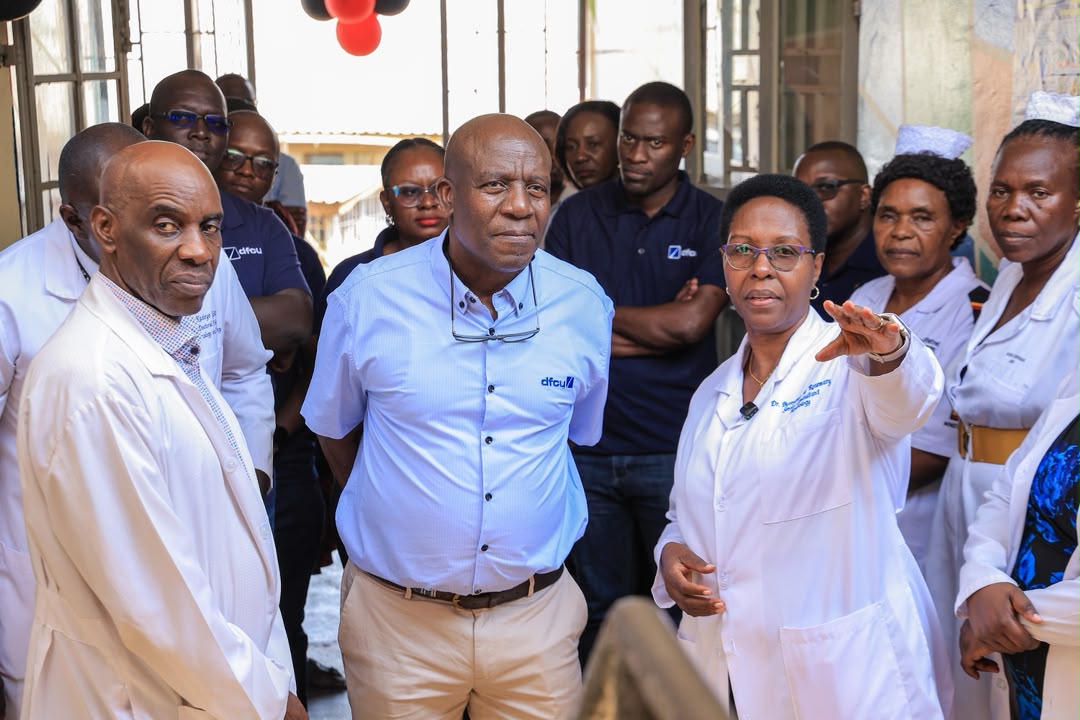
As Uganda continues to grapple with one of the world’s highest burdens of sickle cell disease, dfcu Bank has strengthened its commitment to improving the lives of patients by upgrading sanitation facilities and patient waiting areas at the Sickle Cell Clinic at Mulago National Referral Hospital.
The handover, held shortly after International Sickle Cell Awareness Day commemorated on June 19, marks the latest milestone in the bank’s growing involvement in sickle cell advocacy and support. The initiative follows dfcu Bank’s recent Sickle Cell Walk and a series of community health camps aimed at raising awareness and improving access to care.
The renovated facilities include modern sanitation units and enhanced waiting areas designed to improve comfort, hygiene, and dignity for patients and caregivers who visit the clinic daily.
Uganda ranks among the countries most affected by sickle cell disease, placing fifth globally in disease burden. An estimated 13 to 15 percent of the population carries the sickle cell trait, representing between six and eight million healthy carriers. Each year, approximately 20,000 to 25,000 babies are born with the disease, and without appropriate treatment, up to 80 percent die before reaching their fifth birthday.
The burden is particularly severe in regions such as Busoga, Acholi, and Lango, where carrier rates can reach as high as 25 percent. Health experts say widespread myths, stigma, and inadequate access to specialized care continue to hinder efforts to control the disease.
Speaking during the handover ceremony, dfcu Bank Chief Executive Officer Charles Mudiwa said the bank’s involvement in sickle cell advocacy has evolved significantly since it began as an employee-led initiative in 2024 under the bank’s 60th anniversary “60 Acts of Kindness” campaign.
“We cannot be a profitable and successful bank if the health of the nation is compromised. We need a healthy nation first to build a healthy organisation,” Mudiwa said.
“Our journey began with internal awareness and acts of kindness. Today, we are delivering infrastructure that improves daily patient experiences and signals our long-term dedication to building a Centre of Excellence for sickle cell care in Uganda.”
What started with staff visits and donations to Mulago’s Sickle Cell Clinic has since expanded into nationwide awareness campaigns, community outreaches, and health camps, particularly in high-burden districts such as Jinja and the wider Busoga sub-region. The campaigns have focused on promoting early testing, genetic counselling, and informed reproductive decision-making to help reduce the transmission of the disease.
Mulago National Referral Hospital Executive Director Dr. Rosemary Kusaba Byanyima welcomed the support, describing the improvements as a significant boost to patient welfare.
“For patients living with sickle cell, a place of convenience is not a small gesture—it is great. These improvements enhance dignity and support our model of outpatient and daycare care, reducing unnecessary admissions while preserving capacity for the most critical cases,” she said.
The Sickle Cell Clinic at Mulago receives approximately 200 patients every day. Medical experts note that proper sanitation and hydration are critical for people living with sickle cell disease because they are highly vulnerable to infections and disease-related complications.
Dr. Philip Kasirye, a Consultant Pediatrician and Hematologist, emphasized the importance of fighting stigma and increasing access to treatment.
“Sickle cell is not contagious, and having it is not a crime. There is hope. We must replace stigma with empathy and ensure access to quality care, early testing, and Hydroxyurea,” he said.
He added that partnerships between the private sector and healthcare institutions are essential in complementing government efforts to improve awareness, prevention, and treatment services.
The facility upgrade reflects a broader shift in dfcu Bank’s approach to social responsibility—from raising awareness to investing in sustainable solutions that directly improve healthcare delivery.
As Uganda seeks to reduce the impact of sickle cell disease, stakeholders say continued collaboration among government, healthcare providers, development partners, and the private sector will be crucial in ensuring better outcomes for patients and their families.
For thousands of Ugandans living with sickle cell disease, the improvements at Mulago offer more than physical infrastructure, they provide renewed hope, dignity, and a stronger support system in the fight against a lifelong condition.