Karua deportation sparks debate over East African i tegration and free movement
The Kenyan legal body further claimed that Karua's passport had initially been stamped upon arrival before she was later informed that she could not enter the country and was subsequently deported.
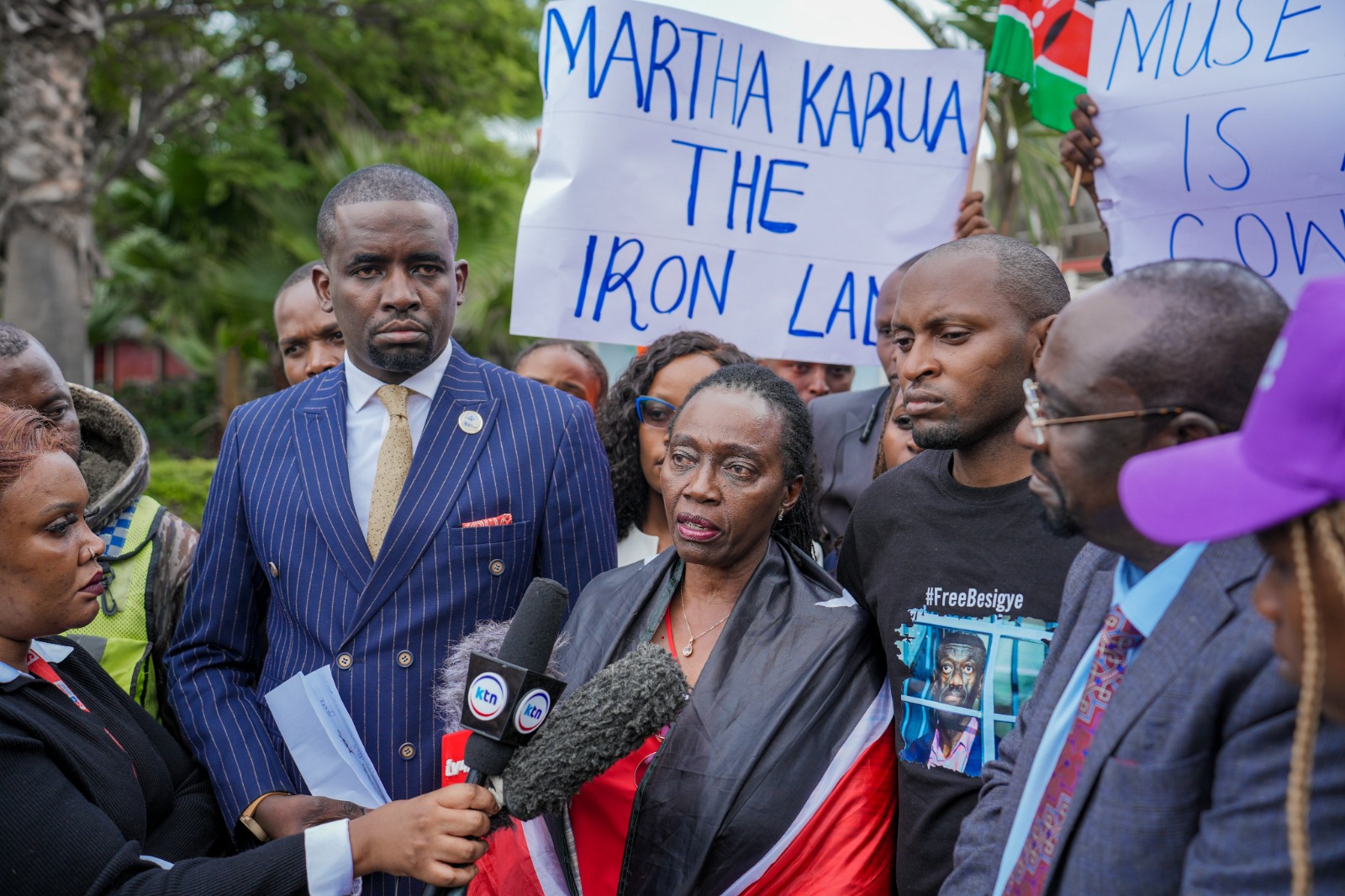
The deportation of Kenyan Senior Counsel Martha Karua from Uganda has evolved from what initially appeared to be an immigration matter into a broader regional debate about the future of East African integration, the free movement of professionals and access to justice within the East African Community (EAC).
Legal bodies in Kenya and Uganda have warned that the incident could undermine key principles underpinning the EAC, including the free movement of persons, labour and services, as well as the mutual recognition of professional qualifications among member states.
Karua was denied entry into Uganda on June 22 despite travelling to Kampala to participate in legal proceedings involving opposition politician Kizza Besigye and his co-accused Obeid Lutale. She was also expected to attend activities marking the anniversary of the Uganda Law Society.
According to the Law Society of Kenya, Karua had entered Uganda with a valid temporary practising certificate issued by the Uganda Law Council, authorizing her to appear alongside lawyer and former Kampala Lord Mayor Erias Lukwago in the defence of Besigye and Lutale.
The Kenyan legal body further claimed that Karua’s passport had initially been stamped upon arrival before she was later informed that she could not enter the country and was subsequently deported.
Speaking after her return to Kenya on June 23, Karua said the incident raised concerns about access to justice and the ability of lawyers to discharge their professional duties across borders within the region.
The matter has attracted strong reactions from legal professionals across East Africa, with leaders of regional legal associations warning of its potential implications for regional integration.
Charles Kanjama questioned why one member of a defence team would be allowed entry while another was denied access.
“The right to legal representation and the independence of counsel are fundamental to the administration of justice,” Kanjama said.
“It is difficult to understand why one member of a defence team should be admitted while another is turned away. We call upon the Ugandan authorities to provide an explanation for this action and to uphold the rule of law and regional cooperation that underpin the East African legal community.”
Kanjama argued that the deportation sends what he described as a “chilling signal” to lawyers across East Africa, particularly those involved in politically sensitive cases.
The issue has also drawn the attention of the East Africa Law Society.
Its President, Ramadhan Abubakar, joined other legal leaders in condemning the incident and warning that restrictions on legal practitioners could weaken confidence in regional integration frameworks.
The Uganda Law Society echoed similar concerns, arguing that the matter extends beyond an individual lawyer’s travel difficulties and touches on commitments made by EAC partner states.
In a statement, the society noted that the development raises questions about the implementation of EAC provisions relating to the free movement of persons, labour and services, as well as arrangements allowing legal professionals to practice across borders under prescribed procedures.
Analysts say the controversy comes at a sensitive time for the East African Community, which has been working to deepen economic, political and social integration through initiatives such as the Common Market Protocol.
The protocol seeks to facilitate the movement of workers, professionals and businesses across member states by reducing barriers to cross-border activities.
Critics argue that incidents involving restrictions on accredited professionals could undermine confidence in those commitments and discourage cross-border legal, business and professional engagements.
Supporters of regional integration say the issue highlights the need for greater clarity and consistency in how member states implement EAC obligations, particularly regarding professionals who have obtained the necessary authorizations to work in another partner state.
The controversy has been further amplified by developments surrounding the Besigye case, including the recent arrest and remand of Lukwago, who is part of the defence team.
While Ugandan authorities have not publicly provided detailed reasons for Karua’s deportation, legal bodies across the region continue to demand an explanation and are urging governments to safeguard principles of access to justice, professional independence and regional cooperation.
For many observers, the incident has become a test of how far East Africa’s integration agenda extends beyond trade and infrastructure to encompass the practical freedoms promised to citizens and professionals under the EAC framework.