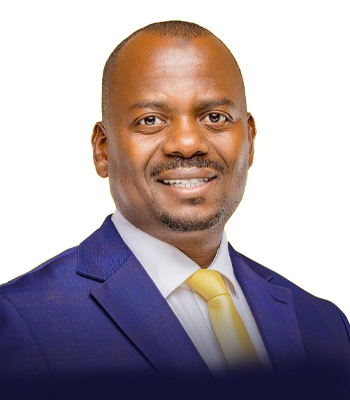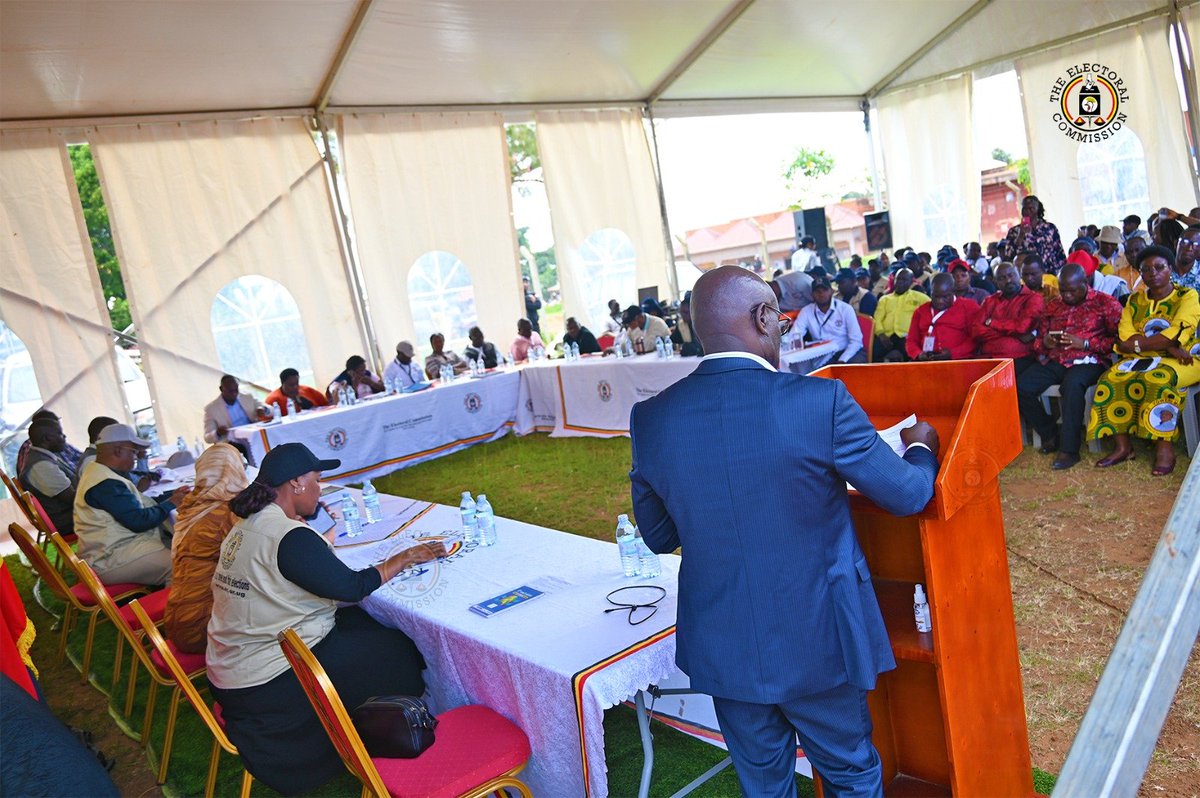
Ssenyonyi Targeted: Buyaga West MP Dennis Namara pushes for overhaul of how leader of opposition is selected in Parliament
The proposed reforms come against the backdrop of recent political statements by Gen. Muhoozi Kainerugaba, who has publicly expressed dissatisfaction with the performance of Leader of Opposition Joel Ssenyonyi.
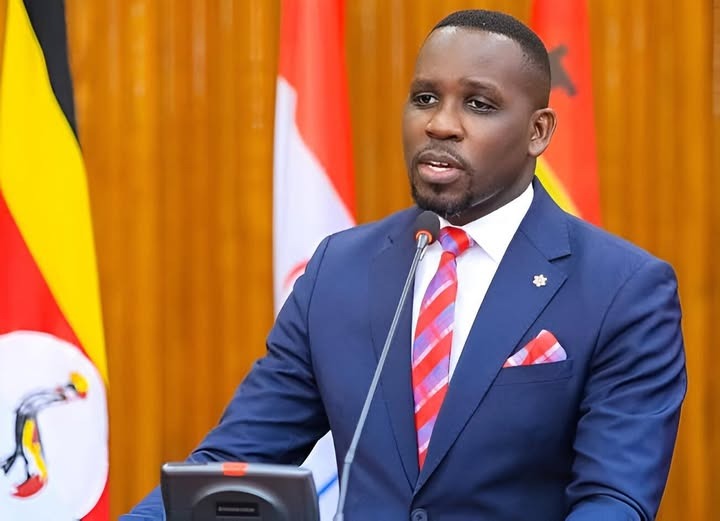
Ssenyonyi Targeted: Buyaga West MP Dennis Namara pushes for overhaul of how leader of opposition is selected in Parliament
A fresh debate over the structure and leadership of Uganda’s opposition in Parliament is looming after Buyaga West County MP Dennis Namara announced plans to introduce a Private Member’s Bill seeking to amend the Administration of Parliament Act.
The proposed legislation, which Namara intends to table in the upcoming parliamentary session, aims to redefine how the Leader of Opposition (LoP) is selected, how opposition Members of Parliament are deployed to parliamentary committees, and the circumstances under which an LoP may cease to hold office.
If successful, the Bill could significantly alter the balance of power within Uganda’s opposition politics and reopen a debate that has generated controversy in recent years.
A Call for Broader Participation
Speaking in an interview with Parliament Watch, Namara argued that the current arrangement grants excessive authority to the largest opposition party in Parliament and excludes other opposition voices from key leadership decisions.
According to the legislator, the process of selecting the Leader of Opposition should be democratized to allow participation by all opposition Members of Parliament, including independents.
“That has to be an election where all opposition Members of Parliament participate, including independent Members of Parliament,” Namara said.
His proposal represents a departure from the current framework under which the Leader of Opposition is nominated by the opposition party with the largest numerical strength in Parliament.
At present, that party is the National Unity Platform (NUP), which nominated Nakawa West MP Joel Ssenyonyi to serve as Leader of Opposition in the 12th Parliament.
Revisiting a Contentious Debate
Namara’s proposal revives a conversation that dominated parliamentary and political discourse during consideration of the Administration of Parliament (Amendment) Bill, 2024, introduced by Mityana South MP Richard Lumu.
Lumu’s Bill similarly sought to alter the method through which opposition leadership positions are filled.
However, the proposal faced strong resistance from political parties, legal experts and government institutions before eventually being withdrawn on March 12, 2026.
During parliamentary deliberations, the Speaker noted that nearly all stakeholders who appeared before the committee, including the Attorney General, concluded that key provisions of the Bill were inconsistent with the principles of the Westminster parliamentary system upon which Uganda’s parliamentary framework is largely modeled.
The Speaker further advised that any future amendments to the Administration of Parliament Act should be comprehensive rather than piecemeal.
Opposition Parties Push Back
The previous reform effort exposed deep divisions within Uganda’s opposition landscape.
Political parties including the Forum for Democratic Change (FDC), Uganda People’s Congress (UPC), and the Alliance for National Transformation (ANT) opposed several provisions of Lumu’s Bill.
Parliamentary records show that these parties argued the proposed changes were made in bad faith and risked weakening multiparty democracy.
Opposition leaders warned that separating the office of Leader of Opposition from the largest opposition party could create confusion and competing centres of authority.
ANT President Gregory Mugisha Muntu argued that allowing Parliament to elect a Leader of Opposition different from the nominee of the largest opposition party would effectively create “two power centres” within the opposition.
Political analysts note that such an arrangement could undermine party discipline and weaken the coherence of opposition strategy inside Parliament.
The Constitutional Question
At the heart of the debate lies Article 82A of the Constitution, which establishes the office of the Leader of Opposition.
The Administration of Parliament Act further provides that the office is occupied by a person nominated by the opposition party with the greatest numerical strength in Parliament.
Under this arrangement, Parliament itself does not elect the Leader of Opposition. Instead, the Speaker’s role is limited to formally announcing the nominee selected by the qualifying opposition party. The law also outlines the circumstances under which the office may become vacant.
These include resignation, loss of parliamentary seat, cessation of membership in the nominating party, replacement by that party, or a situation where another opposition party overtakes it in numerical strength.
Legal experts point out that this means any effort to remove a sitting Leader of Opposition must ordinarily originate from the political party that nominated him or her. In the current Parliament, that authority rests with the National Unity Platform.
Consequently, observers argue that any move to remove Joel Ssenyonyi from the office would have to come through NUP rather than Parliament itself.
A Debate about Opposition Democracy
Supporters of reform argue that opposition leadership positions should reflect the collective will of all opposition legislators rather than the preferences of a single party.
They contend that independent MPs and members of smaller opposition parties also play a critical role in holding government accountable and should have a say in choosing parliamentary opposition leaders.
Critics, however, maintain that political parties are the foundation of multiparty democracy and that allowing Parliament to override party decisions could weaken party structures and create instability.
For them, the office of Leader of Opposition derives its legitimacy from the electoral strength of the party that secured the mandate from voters.
Muhoozi and His Interests in the 12th Parliament
Namara’s proposed Bill is expected to reignite debate about the future of opposition politics, parliamentary representation, and party democracy in Uganda.
Whether the proposal will gain traction remains uncertain, particularly given the strong resistance that greeted similar reforms in the past.
Nonetheless, the initiative signals growing interest among some legislators, particularly those aligned to Gen. Muhoozi Kainerugaba’s Patriotic League of Uganda (PLU), in revisiting the governance framework that determines opposition leadership within Parliament.
If formally introduced, the Bill could emerge as one of the most closely watched parliamentary reform proposals of the new legislative term, with implications not only for opposition parties but also for the broader evolution of Uganda’s multiparty political system.
The proposed reforms come against the backdrop of recent political statements by Gen. Muhoozi Kainerugaba, who has publicly expressed dissatisfaction with the performance of Leader of Opposition Joel Ssenyonyi.
In a post on X, Muhoozi announced that he had tasked former PLU Secretary General David Kabanda, the Member of Parliament for Kasambya County, to explore lawful avenues for removing Ssenyonyi from the influential opposition office.
Kabanda welcomed the assignment and pledged to deliver a new Leader of Opposition within two weeks.
Following Namara’s announcement, Kabanda returned to X, declaring that efforts to secure a new Leader of Opposition had officially begun.
“The process of getting a new Leader of Opposition has officially commenced. Don’t ask me how; just know we shall achieve it, and we shall do it legally,” Kabanda wrote.
While it remains unclear whether Namara’s proposed amendments are directly linked to the PLU initiative, the timing of the developments is likely to fuel speculation about a coordinated effort to reshape the leadership structure of Uganda’s parliamentary opposition.