
Uganda’s economic activity improves as business confidence remains dtrong
The optimism was attributed to improving prospects for both domestic and external demand, coupled with continued macroeconomic stability.
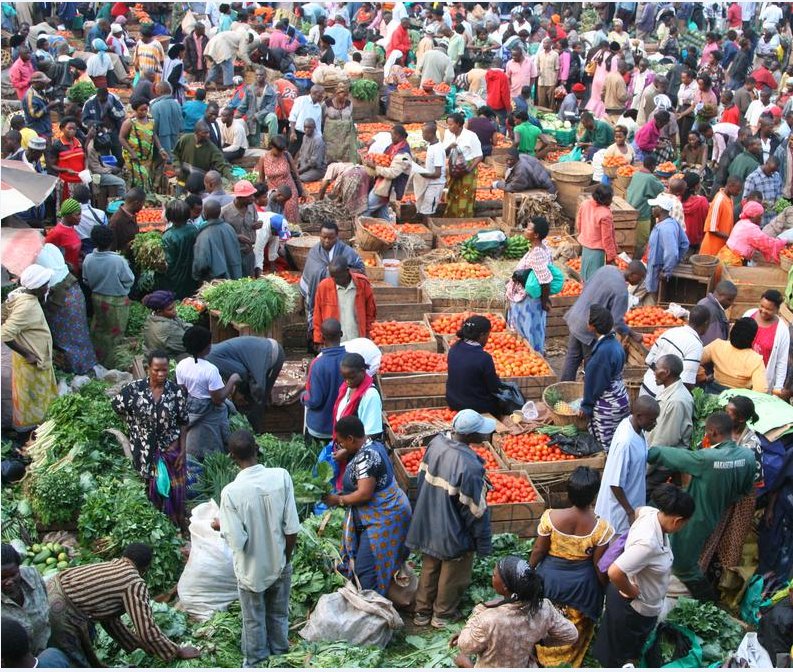
Uganda’s economy continued to register positive momentum in June 2026, supported by stronger business activity, a stable macroeconomic environment, a stronger shilling and rising export earnings, according to the latest economic performance indicators.
High-frequency indicators showed sustained improvement in economic activity during the month. Both the Purchasing Managers’ Index (PMI) and the Composite Index of Economic Activity (CIEA) recorded gains, pointing to increased business operations across key sectors of the economy.
The private sector also remained optimistic about the country’s economic prospects. The Business Tendency Index (BTI) stood at 54.4 in June 2026, remaining above the 50-point threshold that signals positive business sentiment.
The optimism was attributed to improving prospects for both domestic and external demand, coupled with continued macroeconomic stability.
Uganda’s currency also strengthened significantly during the month. The Uganda shilling appreciated by 1.4 percent against the US dollar, 2.8 percent against the euro and 2.6 percent against the British pound sterling.
The stronger shilling was mainly supported by robust foreign exchange inflows from commodity exporters and offshore investors, reflecting growing investor confidence and increased export receipts.
The country’s merchandise exports also recorded strong annual growth. Export earnings rose by 12.8 percent to US$1.35 billion in May 2026, compared with US$1.19 billion recorded in May 2025.
The increase was largely driven by higher earnings from gold, tobacco, oil re-exports and electricity exports.
However, on a monthly basis, export earnings declined by 4.2 percent from US$1.41 billion recorded in April 2026. The decline was mainly attributed to lower earnings from coffee and gold exports between April and May.
Meanwhile, inflation edged upwards during June, with annual headline inflation rising to 3.7 percent from 3.2 percent recorded in May.
The increase in the general price level was mainly driven by higher domestic fuel pump prices, which also pushed up the cost of transporting goods and services, contributing to increased prices across parts of the economy.
Despite the rise in inflation, the rate remains within manageable levels, suggesting that Uganda’s economy continues to experience steady growth under a relatively stable macroeconomic environment, supported by resilient private sector confidence, stronger exports and a strengthening local currency.