
Farmers told to improve soil management to boost coffee yields
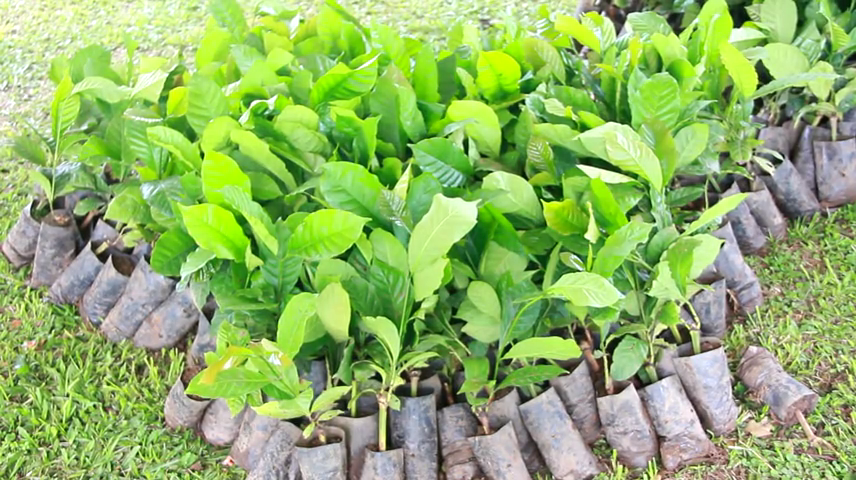
The demonstration farms are expected to help farmers learn about recommended agronomic practices, including soil management and crop maintenance, which are critical to improving productivity and coffee quality.
By George Niyonzima
Farmers in the Bunyoro sub-region have been urged to embrace modern agricultural practices to improve coffee quality, increase production and boost household incomes as Uganda seeks to expand its coffee exports.
Paul Martin Maraka, the Executive Director of the Uganda Coffee Federation, said farmers must invest in proper soil management, fertiliser application, mulching and irrigation to improve yields and produce high-quality coffee for the market.
Maraka was speaking during celebrations to mark International Coffee Day in Hoima City on Thursday, last week.
The event brought together coffee farmers, government officials, industry players and other stakeholders to explore opportunities for expanding coffee production in the oil-rich Bunyoro sub-region.
The celebrations were held under the theme, “Wealth for All: Exploring Opportunities in Coffee in the Bunyoro-Kitara Oil-Rich Sub-Region.”
“This celebration brings together coffee farmers, industry players, government officials, development partners and other stakeholders to highlight the importance of coffee production and its contribution to Uganda’s economy and the livelihoods of farming communities,” Maraka said.
He attributed declining coffee quality partly to farmers’ failure to adopt improved farming methods, particularly practices that maintain soil fertility and ensure adequate water supply.
According to Maraka, proper mulching, fertiliser application and irrigation are essential interventions that can help farmers improve productivity and meet the quality requirements of domestic and international markets.
His remarks come as Uganda seeks to strengthen its position in the global coffee market by increasing production while maintaining the quality of its beans.
Kingdom, foundation promote coffee growing
Dr James Kisoro, the Executive Director of the Kabalega Foundation, said the organisation was working with the Ministry of Agriculture, Animal Industry and Fisheries (MAAIF) and other partners to promote coffee growing as a means of improving household incomes in Bunyoro.
Kisoro said coffee presents an opportunity for communities in the region to diversify their sources of income and benefit from the growing importance of the crop to Uganda’s economy.
“As we prepare for our 4th Kabalega Independence Run, which will take place on 10th October 2026 in Hoima City, we have partnered with the Ministry of Agriculture and other agencies in ensuring that we promote coffee as one way of improving the household incomes of our people,” Kisoro said.
He, however, expressed concern about the quantity of coffee produced in Uganda, saying increased production would be necessary for the country to expand its exports and strengthen its competitiveness in international markets.
Kisoro urged farmers in Bunyoro to embrace coffee growing alongside other economic activities to reduce their dependence on a limited number of income sources.
“Our farmers in Bunyoro have a responsibility of diversifying and ensuring that they have multiple sources of income, such as coffee growing, among others,” he said.
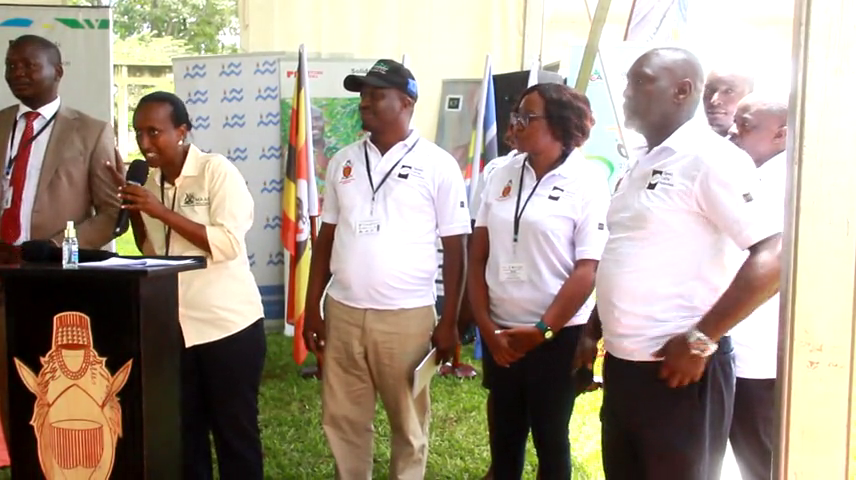
The promotion of coffee in Bunyoro is also expected to provide farming households with an additional source of income as the region continues to attract investment associated with Uganda’s oil and gas industry.
Kingdom establishes demonstration farms
Alex Katusabe, the Chief Administrative Assistant of Bunyoro-Kitara Kingdom, said the kingdom had established coffee demonstration farms to equip communities with practical knowledge on improved production methods.
He said the demonstration sites, located in several counties across the kingdom, are intended to encourage more people to venture into coffee farming and learn how to manage their gardens effectively.
“As a kingdom, we have been mobilising our people to venture into coffee farming, and we have demonstration sites in most of our counties,” Katusabe said.
The demonstration farms are expected to help farmers learn about recommended agronomic practices, including soil management and crop maintenance, which are critical to improving productivity and coffee quality.
The International Coffee Day celebrations were organised by MAAIF in partnership with Bunyoro-Kitara Kingdom, the Uganda Coffee Federation, the Kabalega Foundation and other stakeholders in the coffee sector.
Uganda is one of Africa’s leading coffee producers, and the crop remains an important source of foreign exchange and income for millions of households.
Stakeholders say expanding coffee production in Bunyoro will require sustained farmer mobilisation, access to agricultural knowledge and the adoption of improved farming practices to ensure that communities can benefit from the opportunities available in the coffee value chain.