Japan strengthens Uganda’s fight against Ebola with emergency grant
The grant comes at a crucial time as Uganda continues to strengthen surveillance, community engagement, and frontline response efforts in affected and high-risk districts.
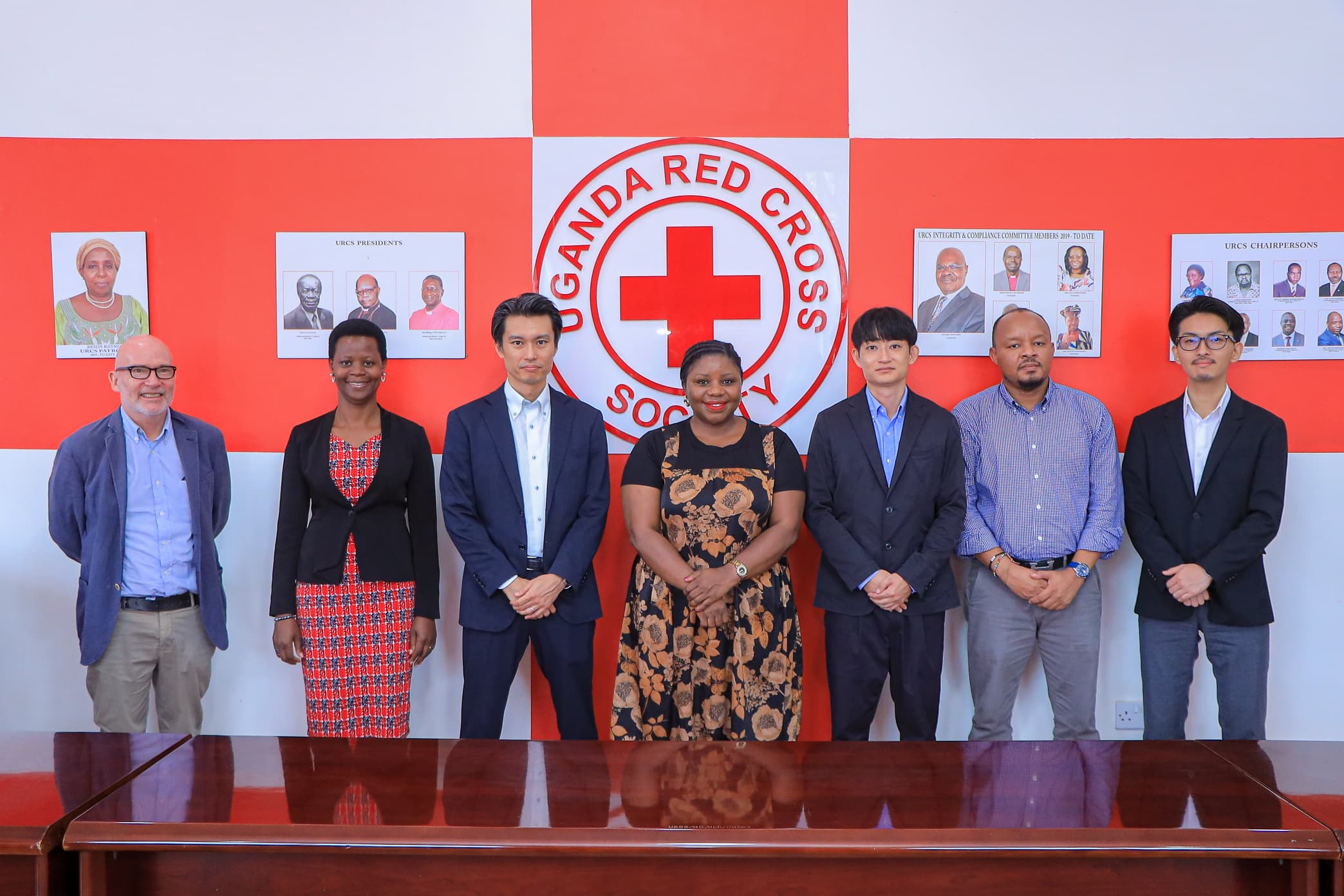
The Government of Japan has announced an emergency grant of USD 500,000 (approximately Shs1.8 billion) to the International Federation of Red Cross and Red Crescent Societies (IFRC) to bolster Uganda’s response to the ongoing Ebola outbreak.
The funding will support the Uganda Red Cross Society in scaling up critical interventions aimed at containing the outbreak, protecting vulnerable communities, and preventing further transmission of the deadly disease.
The grant comes at a crucial time as Uganda continues to strengthen surveillance, community engagement, and frontline response efforts in affected and high-risk districts.
According to the IFRC, the funding will enable the Uganda Red Cross Society to expand its community-based response activities, including public awareness campaigns, contact tracing, case monitoring, and support to treatment and isolation centres.
Red Cross volunteers are already deployed across communities, educating the public on Ebola prevention measures, combating misinformation, and encouraging people with suspected symptoms to seek medical attention early.
Strengthening Community Response
The Japan-funded intervention will support a range of activities considered essential in breaking chains of transmission and protecting communities from the outbreak.
These include intensified community awareness campaigns to promote safe health practices, deployment of trained volunteers for contact tracing and monitoring of suspected cases, and strengthening surveillance and early warning systems to quickly identify new infections.
The funding will also facilitate the procurement and distribution of personal protective equipment (PPE) and hygiene supplies, while providing psychosocial support to affected individuals and families coping with the impact of the outbreak.
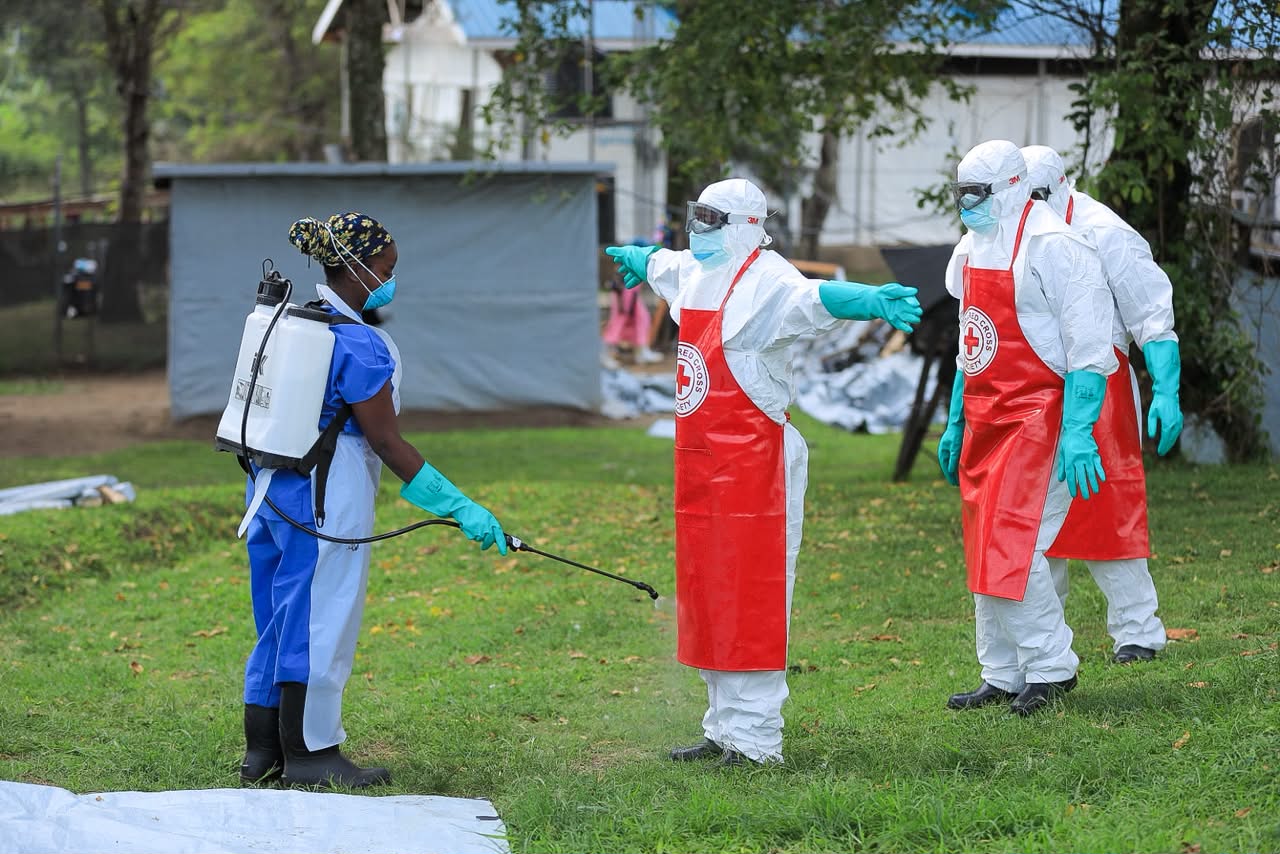
Health experts emphasize that community engagement remains one of the most effective tools in controlling Ebola outbreaks, particularly through early detection, public education, and adherence to preventive measures.
Japan’s Timely Support Welcomed
Robert Kwesiga, Secretary General of the Uganda Red Cross Society, welcomed the support, describing it as a significant boost to ongoing response efforts.
“We deeply appreciate Japan’s timely and generous support during this critical period. This funding will significantly strengthen our capacity to contain Ebola, protect communities, and deliver lifesaving assistance to those most at risk,” Kwesiga said.
He noted that the grant reflects the strong partnership between Japan, the Uganda Red Cross Society, and the IFRC, united by a common commitment to saving lives and strengthening community resilience.
Volunteers at the Heart of the Response
Louise Daintrey-Hall, IFRC Head of Country Office in Uganda, highlighted the crucial role played by Red Cross volunteers in managing outbreaks at the community level.
“Ebola outbreaks begin and end in communities, and it is Red Cross volunteers who stand at the heart of this response. Japan’s contribution will strengthen the Uganda Red Cross to scale up lifesaving work, helping communities protect themselves and stop the spread of Ebola,” she said.
The Uganda Red Cross Society continues to work closely with the Ministry of Health and other partners to support national response efforts through community mobilization, health education, surveillance, and emergency support services.
International Solidarity in Public Health Emergencies
The latest contribution underscores the importance of international cooperation in responding to public health emergencies and strengthening global health security.
The Government of Japan has been a longstanding partner in humanitarian and health interventions worldwide, supporting efforts to improve preparedness and response capacities in vulnerable countries.
Health officials say sustained financing and coordinated action remain essential as Uganda works to contain the outbreak, protect frontline responders, and ensure communities have access to accurate information and lifesaving services.
The IFRC is continuing to mobilize additional resources and technical support to reinforce ongoing response activities and strengthen preparedness for any future public health threats.
As Uganda battles the outbreak, stakeholders say investments in community-based interventions, surveillance systems, and frontline response capacity will remain critical in preventing further spread and safeguarding public health.