Judiciary urged to support Uganda’s oil development as Tilenga nears first production
The scale of investment underscores the growing economic significance of Uganda’s petroleum sector as the country moves from exploration and development towards commercial production.
By George Niyonzima
Chief Justice Dr. Flavian Zeija has urged judicial officers to support Uganda’s oil development by ensuring that court disputes do not unnecessarily disrupt the progress of strategic petroleum projects.
Zeija warned that judicial interventions that halt oil projects through injunctions could undermine the country’s economic interests, describing such action as tantamount to treason where it is intended to stop the progress of a major national project.
The Chief Justice said the Judiciary is also planning to establish an Environment and Infrastructure Division to specifically handle disputes arising from environmental matters and major infrastructure projects.
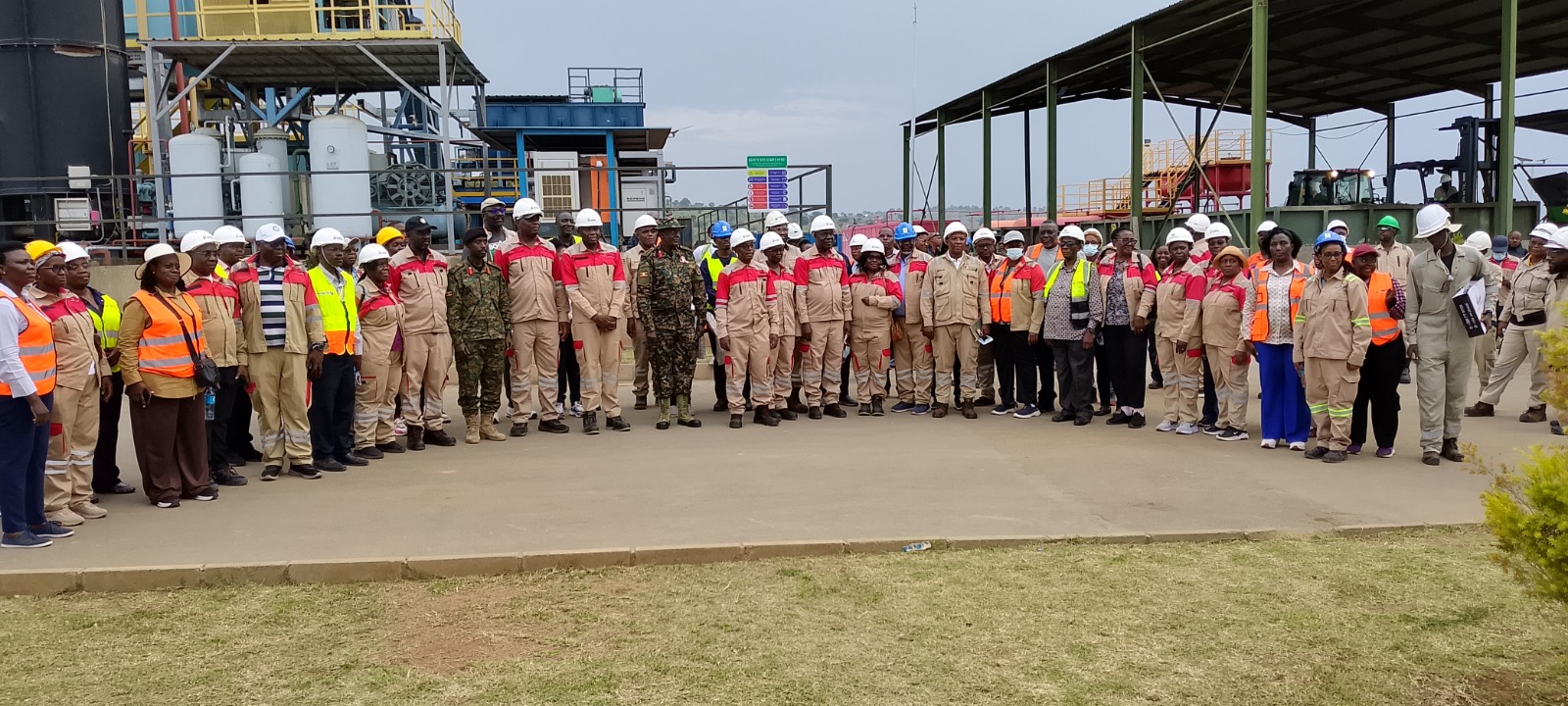
He made the remarks at the conclusion of a three-day guided tour of Uganda’s oil projects, including the Tilenga development in Buliisa District.
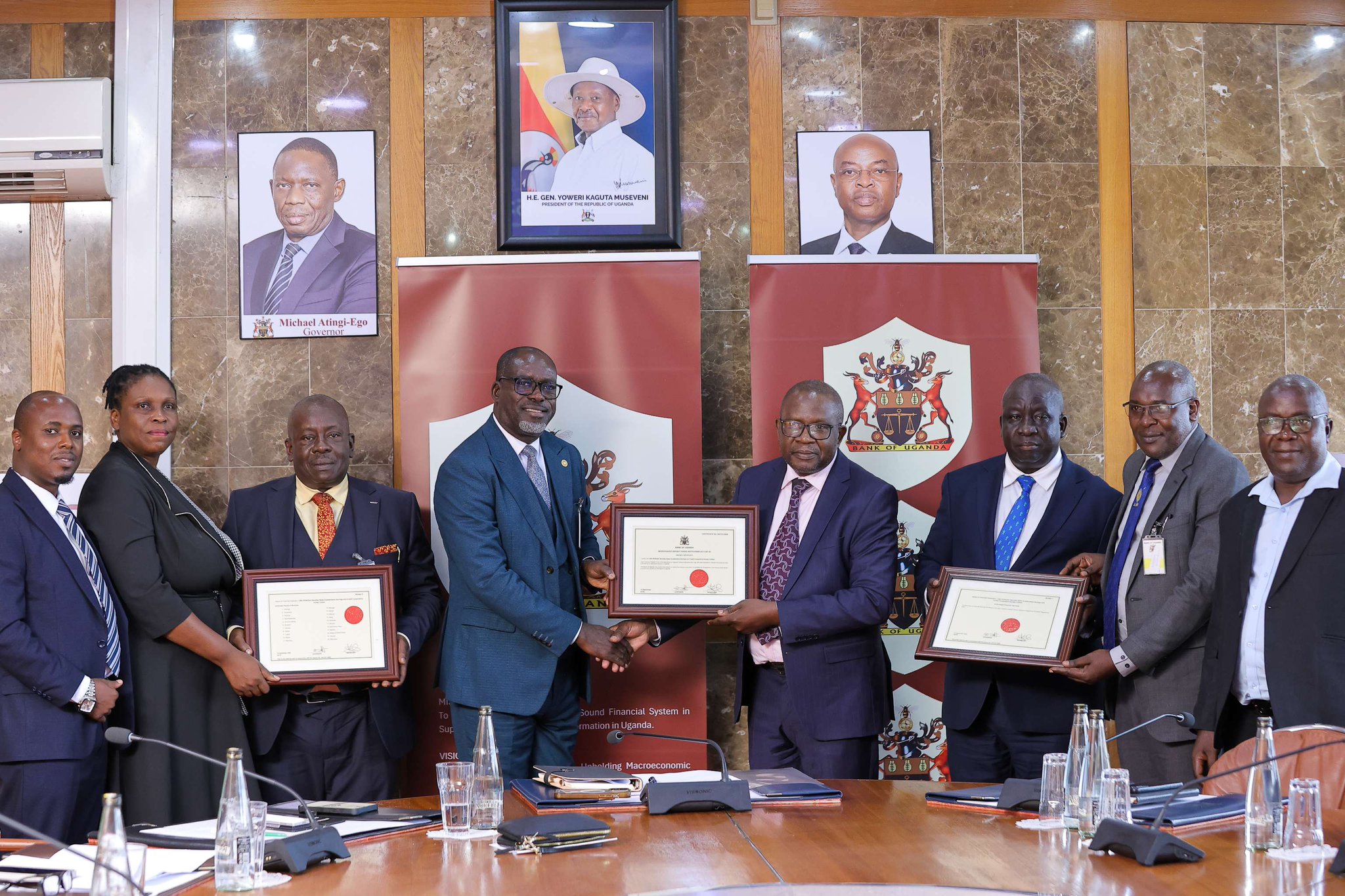
Zeija’s comments followed a call by Bank of Uganda Governor Dr. Michael Atingi-Ego for the Judiciary to ensure that legal disputes do not delay Uganda’s anticipated oil production and exports.
Atingi-Ego said the expected expansion of economic activity around the oil industry would inevitably generate disputes involving investors, contractors, communities and other stakeholders, requiring an efficient judicial system to resolve them without disrupting production.
“There are going to be a lot of issues to be settled because more players are going to come on the ground. There will be disputes,” Atingi-Ego said, stressing that Uganda should avoid situations where court cases delay oil production and exports.
The Governor said Uganda’s oil sector is expected to play a significant role in supporting the country’s long-term economic transformation and the government’s ambitions for accelerated economic growth.
Tilenga races towards first oil
Meanwhile, construction of the Central Processing Facility (CPF) at the Tilenga project has reached 68 percent completion as Uganda races to meet its target of achieving first oil production by the end of 2026.
The CPF, which is being developed to support production from the Tilenga oil field, is designed to process up to 190,000 barrels of crude oil per day.
The facility will receive crude oil from multiple production wells and process it by removing impurities before the treated crude is transported to the East African Crude Oil Pipeline (EACOP).
One of the EACOP pumping facilities is located at Nyamasoga in Hoima District.
Andrew Ssenabulya, Senior Facilities Engineer at the Petroleum Authority of Uganda (PAU), said the project partners have agreed to prioritise the completion of one processing line at the CPF to help keep the project on schedule for first oil.
Ssenabulya explained that the CPF was initially designed with two processing lines because of the volumes of crude expected from the Tilenga field.
However, technical assessments have shown that production can initially be processed through one line, allowing the project developers to focus resources on achieving first oil within the targeted timeline.
The Tilenga development is being operated by TotalEnergies EP Uganda in partnership with its co-venturers and the Government of Uganda.
According to Angela Nalweyiso, PAU Manager for Cost Monitoring, oil companies operating in Uganda have so far invested more than $12 billion in capital expenditure covering exploration, appraisal and development activities.
The scale of investment underscores the growing economic significance of Uganda’s petroleum sector as the country moves from exploration and development towards commercial production.
Tony Otoa, Chief Corporate Affairs Officer at the Uganda National Oil Company (UNOC), said the national oil company is particularly focused on ensuring that Ugandans benefit from opportunities created by the petroleum industry, especially through local content.
“We are keen on so many things in the sector, mostly local content,” Otoa said.
Meanwhile, TotalEnergies EP Uganda has drilled 228 of the planned 420 oil wells under the Tilenga project.
The progress at Tilenga comes as Uganda seeks to complete the remaining infrastructure required to commence commercial oil production, with the sector expected to generate new revenue, investment and business opportunities across the economy.