Makindye West MP calls for audit of foreign nationals operating businesses in Kampala
The legislator urged authorities to strengthen monitoring of foreign nationals and establish whether those residing and conducting business in the country have valid immigration documents and the necessary approvals to operate.
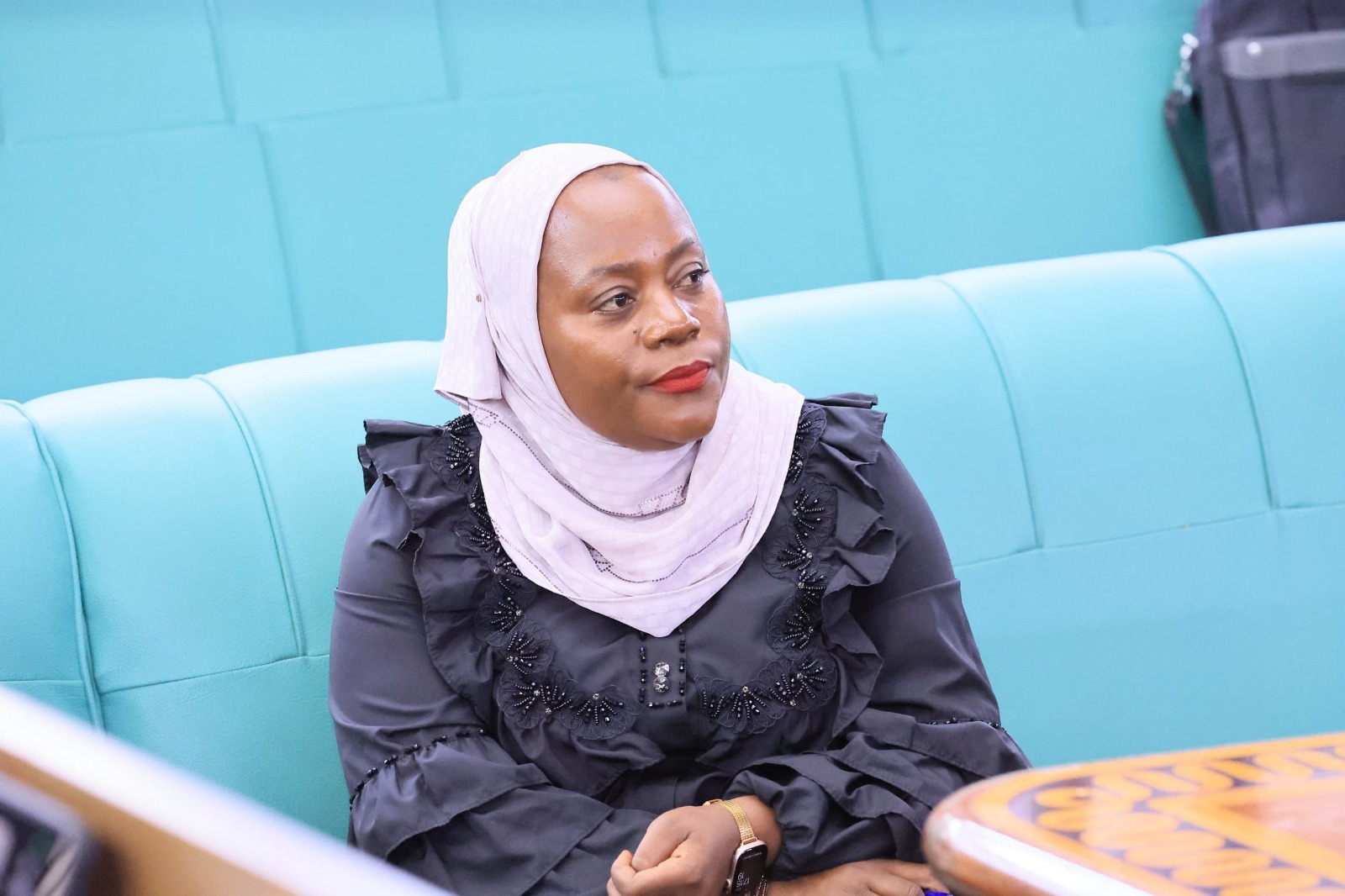
Makindye Division West Member of Parliament Zahrah Luyirika has called on the government to conduct an audit of foreign nationals living and operating businesses in Kampala, citing concerns over security, immigration compliance and competition with local traders.
Luyirika raised the matter in Parliament, saying that the number of foreign nationals settling in Makindye Division West has increased, with some engaging in street vending and other small-scale businesses that have traditionally provided livelihoods for Ugandan residents.
The legislator urged authorities to strengthen monitoring of foreign nationals and establish whether those residing and conducting business in the country have valid immigration documents and the necessary approvals to operate.
She said the growing presence of foreigners in the constituency had created concerns among residents, particularly regarding security and the impact on local economic opportunities.
Among the nationalities mentioned by Luyirika were South Sudanese, Somalis, Eritreans, Ethiopians, Congolese, and Kenyans.
“Government needs to know who is in the country, what they are doing and whether they are complying with our laws,” Luyirika said, calling for closer coordination between immigration officials, security agencies and local authorities.
The MP argued that enforcement measures should protect the interests of Ugandan citizens, especially young people and other residents who depend on informal businesses for survival.
Her concerns come amid wider debates on migration, urban employment, and regulation of informal trade in Kampala, where thousands of people rely on street vending and small businesses for income.
Uganda’s membership in regional integration frameworks, including the free movement of people within the East African Community, has increased cross-border movement and economic activities. However, authorities continue to face the challenge of balancing regional obligations with immigration control, business licensing, and public order.
Luyirika’s call adds to ongoing discussions about reorganising street trade in Kampala and creating a more regulated environment for vendors and small-scale entrepreneurs.
The government is expected to review the concerns and determine whether additional measures are needed to monitor foreign nationals engaged in commercial activities.
Any action taken will need to distinguish between foreigners legally residing and working in Uganda and those violating immigration or business regulations, ensuring that enforcement is based on individual legal status rather than nationality.