Electoral Commission dismisses Bobi Wine’s claims of irregularities in National Voters Register
According to the EC, the two voters are clearly distinguishable through their unique photographs, and the similarity in names and dates of birth does not in any way suggest that they are the same person.

The Electoral Commission (EC) has dismissed allegations of irregularities in the National Voters Register (NVR), describing claims made by National Unity Platform (NUP) presidential flag bearer Robert Kyagulanyi Ssentamu, aka Bobi Wine, as false and misleading.
In a statement issued on 28 December 2025, the Commission responded to a video shared by Kyagulanyi on the social media platform X, in which he alleged that the EC had deliberately registered the same individual at different polling stations to facilitate multiple voting ahead of the 2026 General Elections.
Kyagulanyi based his claims on two Voter Location Slips bearing the name Matovu Ronald and similar dates of birth. However, the Commission said it had reviewed the documents and established that they belong to two different individuals registered in separate electoral areas.
According to the EC, the two voters are clearly distinguishable through their unique photographs, and the similarity in names and dates of birth does not in any way suggest that they are the same person.
“The claims suggesting otherwise are false and misleading,” the Commission stated.
The EC also cautioned the public and political actors against sharing individuals’ personal voter information on social media without consent, noting that such actions violate data protection and privacy laws. In line with these laws, the Commission said it would not release photographs or personal details of the affected voters.
To further reassure the public, the Commission highlighted improvements made to the Biometric Voter Verification System (BVVS), which verifies voters using fingerprints or facial recognition before a ballot paper is issued. The EC emphasized that without successful biometric verification, no voter can be allowed to vote, reinforcing the principle of one person, one vote.
Kyagulanyi also alleged that the Electoral Commission had refused to provide presidential candidates with the final National Voters Register. The Commission rejected this claim, saying it had already complied with the law.
Citing Section 19 of the Electoral Commission Act (Cap. 176), the EC explained that it issued soft copies of the Voters Register to all presidential candidates immediately after nominations held on 23 and 24 September 2025.
The law further requires the Commission to provide hard copies of the register for use on polling day at least two weeks before voting, a process the EC said is currently underway and will be completed within the legally prescribed timeframe.
The Commission urged Kyagulanyi and other stakeholders to use established channels to seek clarification, verify information, and raise any concerns regarding the electoral process.
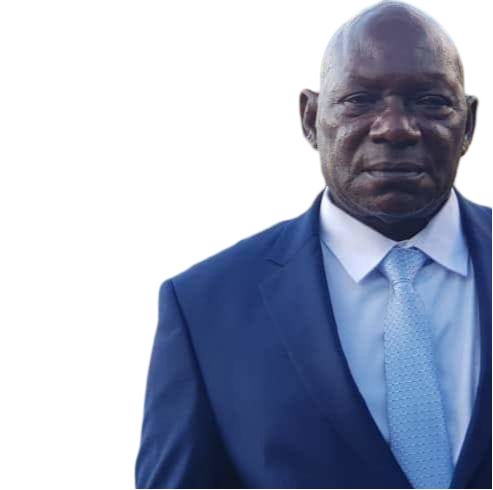
EC Chairperson Justice Byabakama Mugenyi Simon reaffirmed the Commission’s commitment to conducting the 2026 General Elections in a transparent, professional, and credible manner, and assured Ugandans that the integrity of the electoral process will be safeguarded.