Uganda’s Oil Boom: UNOC opens doors to Auditor General
These large-scale projects, characterized by their complexity and capital intensity, underscore the need for robust governance and risk management mechanisms.
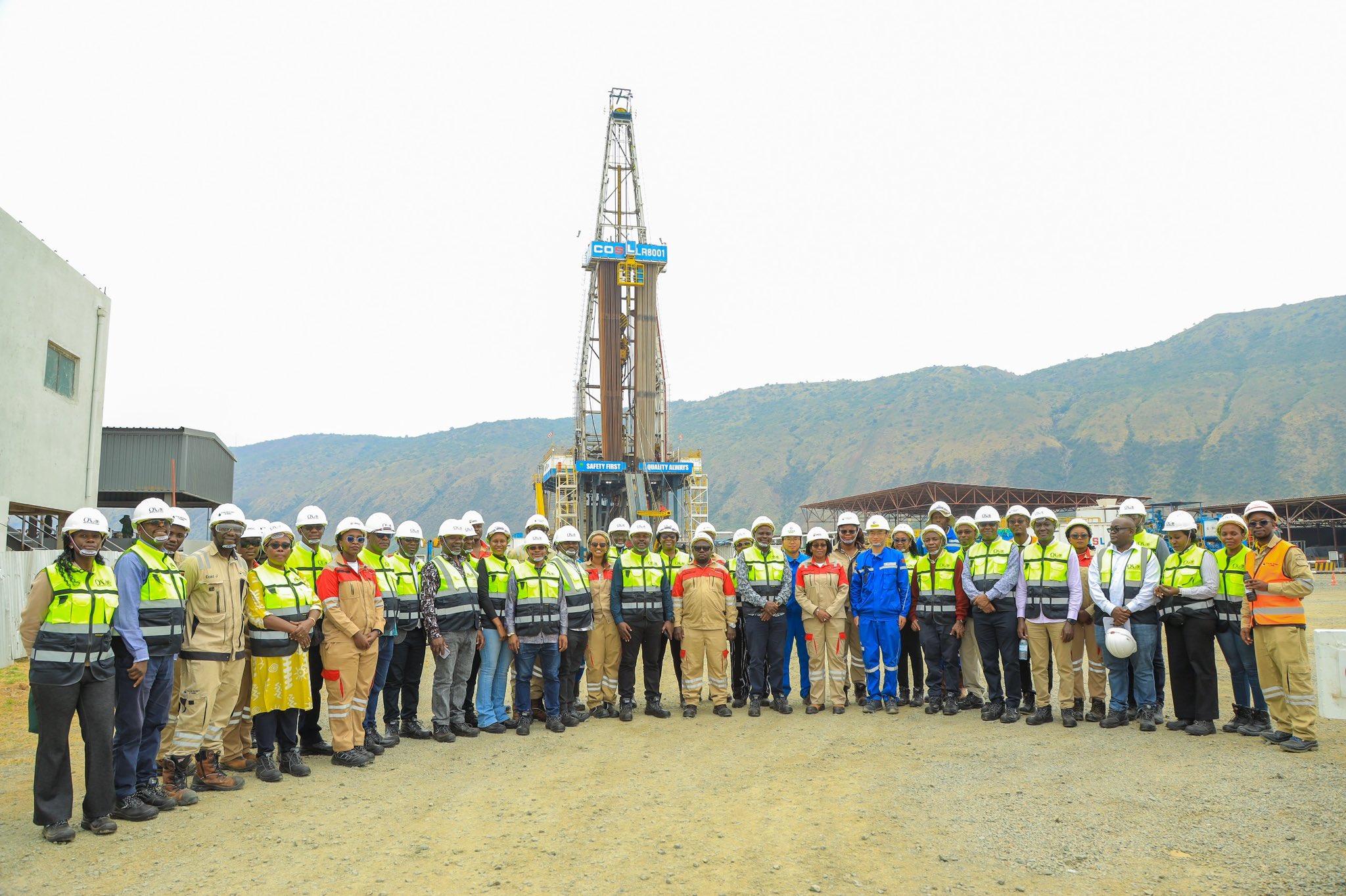
The Uganda National Oil Company (UNOC) recently hosted the Office of the Auditor General (OAG) for a familiarisation and oversight field visit to the country’s key oil and gas project areas.
The initiative aimed to strengthen transparency, accountability, and good governance in the management of Uganda’s petroleum sector.
The visit, which included tours of the Kingfisher Development Area (KFDA), the Tilenga Project, EACOP Pump Station 1, and the Kabalega Industrial Park (KIP), provided the Auditor General’s team with firsthand insights into the operational realities of Uganda’s petroleum investments.
These large-scale projects, characterized by their complexity and capital intensity, underscore the need for robust governance and risk management mechanisms.
In her opening remarks, UNOC CEO Ms. Proscovia Nabbanja welcomed the delegation and emphasized strict adherence to safety protocols during field activities.
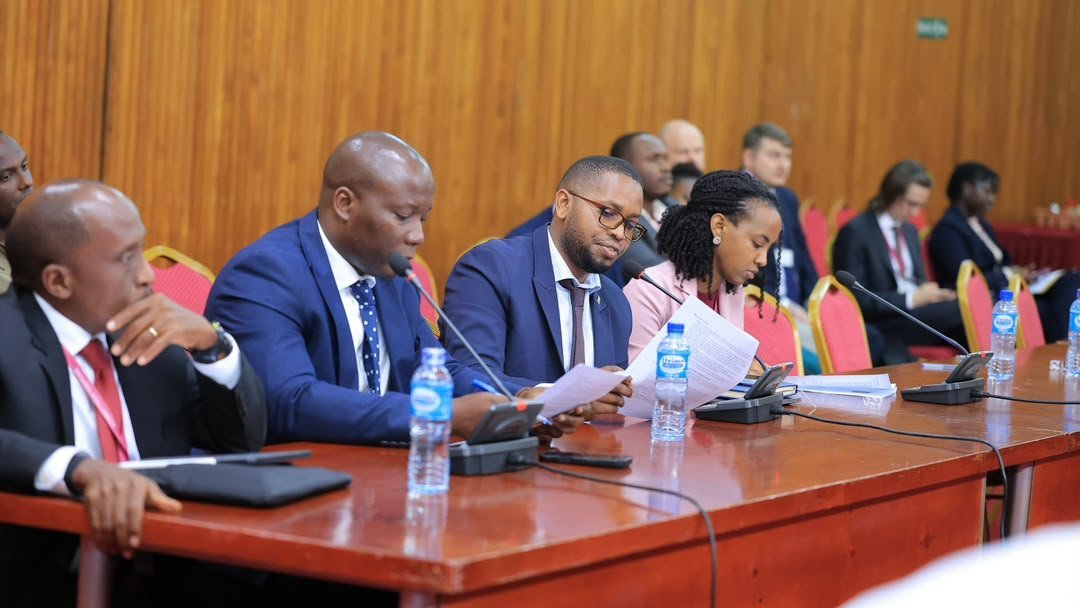
She encouraged the team to engage fully with project teams, observe operations, and deepen their understanding of sector developments. Technical presentations from UNOC and the Petroleum Authority of Uganda provided additional context on ongoing projects and sector dynamics.
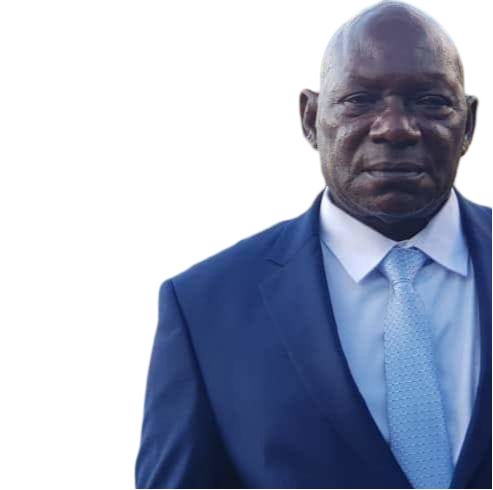
Auditor General Edward Akol noted that the visit would enrich the audit perspective of the OAG, reinforcing its constitutional mandate to ensure transparency and accountability in public resource management.
He highlighted that oil and gas infrastructure projects carry financial, operational, and reputational risks, making oversight essential to mitigate potential challenges.
From Wells to Waste Management
At the Kingfisher Central Processing Facility (CPF), the delegation toured crude oil treatment systems, gas processing units, storage and export facilities, LPG production and storage, water treatment systems, and pipeline pigging operations, key infrastructure that underpins safe and efficient oil operations.
The delegation also visited Pad 2 of the Kingfisher Development Area, where drilling operations are ongoing. Kingfisher currently has four well pads, supporting 22 wells in total, 18 development wells and four exploration wells.
With overall project completion exceeding 90%, the site is approaching a major milestone on Uganda’s journey toward first oil.
Briefings on national content implementation highlighted five pillars: employment of Ugandans, skilling and capacity development, enterprise development through engagement of 50 Ugandan contractors, and corporate social responsibility initiatives benefiting host communities.
A visit to the Kingfisher Drilling and Completion Waste Collection, Transportation, Treatment, and Disposal Facility in Buhuka, Kyangwali Sub-county, showcased how the project manages environmental responsibilities.
The facility, which can process 13 metric tonnes per hour of oil-contaminated solid waste, ensures that drilling and completion by-products are safely collected, treated, and disposed of according to environmental standards.
Transparency, Engagement, and Accountability
The oversight visit reflects UNOC’s commitment to engaging stakeholders and demonstrating operational transparency in Uganda’s oil and gas sector. For the OAG, the hands-on exposure to the sector’s infrastructure, operational challenges, and national content initiatives provides a solid foundation for effective oversight and public accountability.
As Uganda’s petroleum sector continues to expand, initiatives like these signal a forward-looking approach where governance, safety, and environmental stewardship go hand in hand with large-scale industrial development.