UPC rejects ‘Protection of Sovereignty Bill’ over harsh lenalties, warns of economic and rights risks
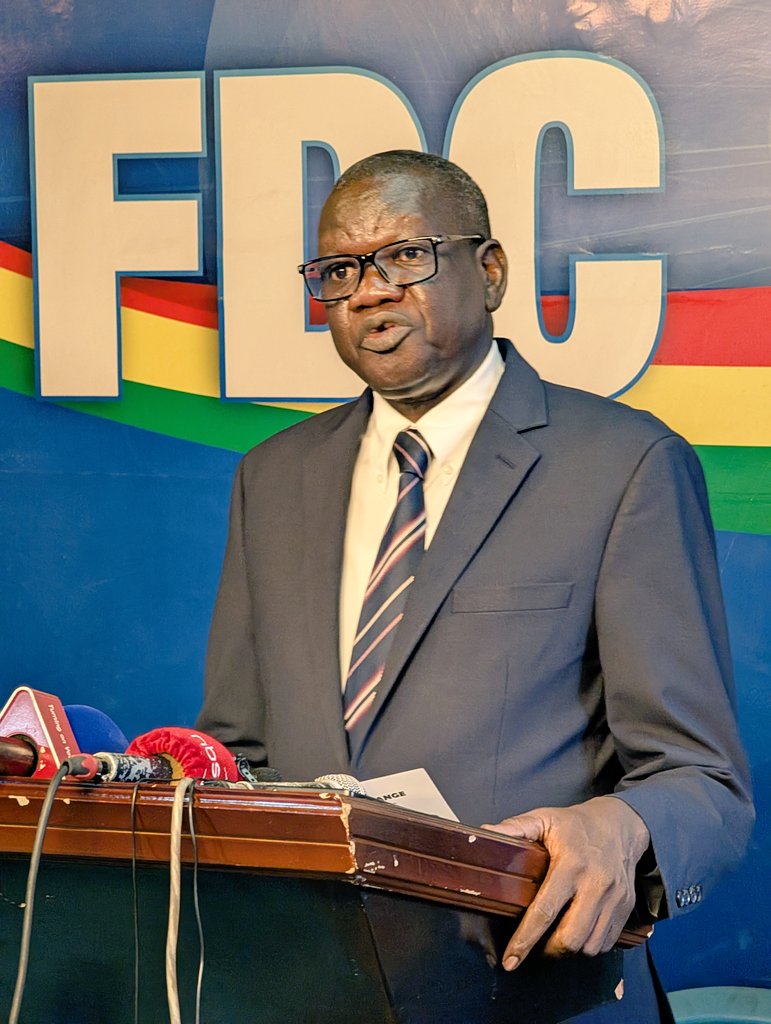
UPC Secretary General Fred Ebil defended the party’s position that the Bill should be withdrawn entirely, arguing that its current form undermines constitutional rights. He said the proposed law risks eroding freedoms guaranteed under the Constitution and comes at a sensitive time when the country is still recovering from a divisive electoral period.
The Uganda People’s Congress (UPC) has rejected the proposed **Protection of Sovereignty Bill, 2026**, describing its penalties and provisions as unconstitutional, excessive, and harmful to both civil liberties and economic activity.
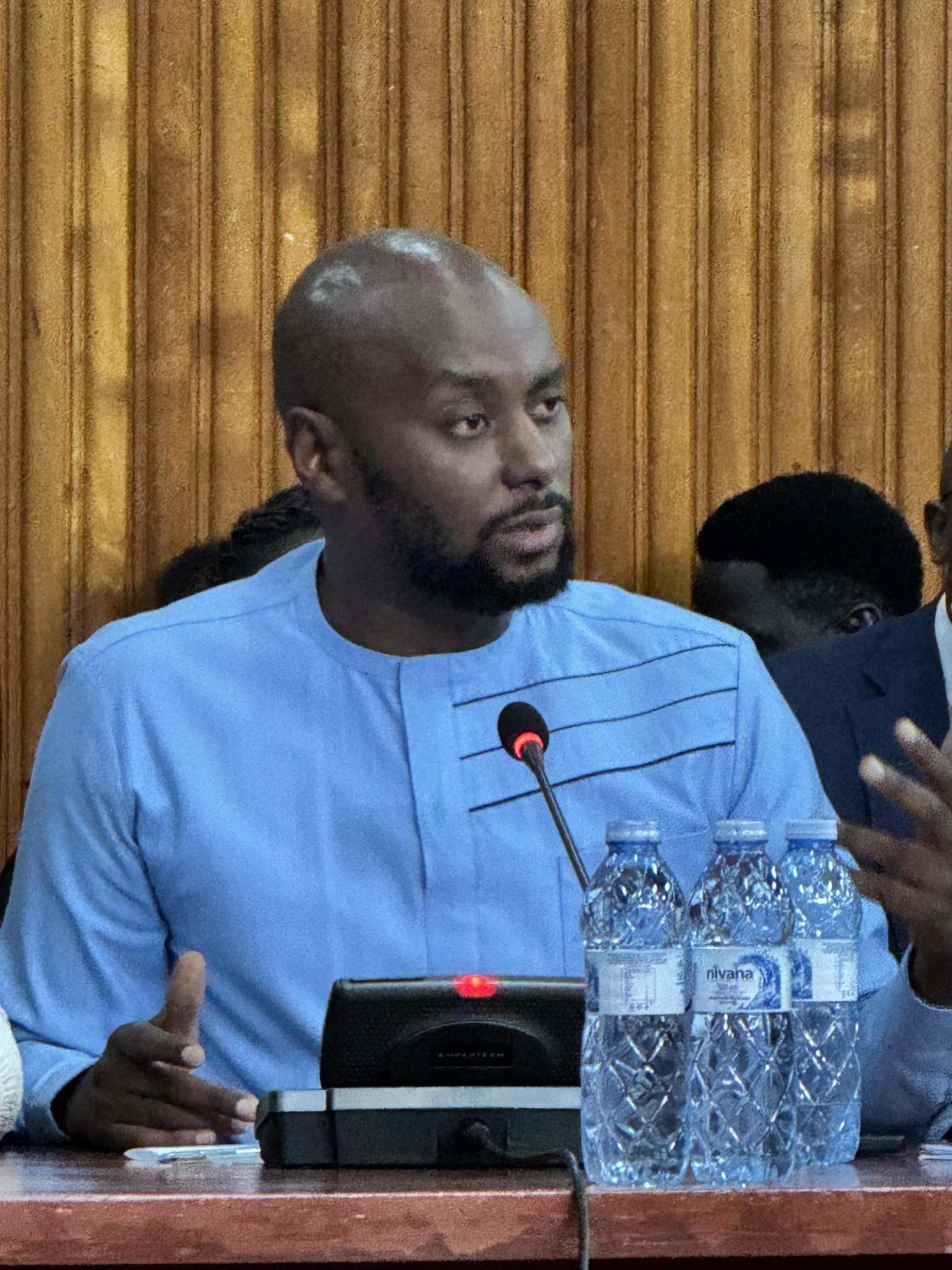
Appearing before the Joint Committee on Defence and Internal Affairs and the Legal Committee on April 24, UPC’s Head of Media and Communications, Faisal Muzeyi, criticised the Bill’s punitive measures, which include a fine of UGX 4 billion and a jail term of up to 20 years.
Muzeyi described the sanctions as “extreme, inhumane, degrading and unconstitutional,” warning that such provisions could be used to suppress lawful activity rather than protect national interests.
Call for Withdrawal
UPC Secretary General Fred Ebil defended the party’s position that the Bill should be withdrawn entirely, arguing that its current form undermines constitutional rights.
He said the proposed law risks eroding freedoms guaranteed under the Constitution and comes at a sensitive time when the country is still recovering from a divisive electoral period.
“Uganda is coming from fresh elections that left the country politically divided… we should try to make laws which are not discriminatory,” Ebil told the committee.
He further warned that the Bill could deepen divisions by creating unequal conditions between Ugandans living abroad and those residing in the country.
Concerns Over Investment Climate
UPC also raised concerns about Clause 22(1) of the Bill, which requires prior ministerial approval for any foreign financial or material support exceeding UGX 400 million.
The party argues that this provision introduces unnecessary bureaucracy and grants excessive discretionary power to the minister, potentially restricting access to foreign capital.
Muzeyi said the clause imposes “an arbitrary and disproportionate restriction” on economic freedoms, including the right to engage in lawful business activities as provided for under Article 40 of the Constitution.
He added that the requirement creates an administrative bottleneck with no clear timelines, which could discourage investment and slow business operations.
Duplication of Existing Laws
UPC further noted that foreign funding for political entities is already regulated under the Political Parties and Organisations Act, making the proposed extension to individuals and businesses redundant.
The party warned that broadening such controls could create a hostile investment climate and undermine Uganda’s efforts to promote economic development.
Growing Opposition
UPC joins other opposition parties and stakeholders in pushing back against the Protection of Sovereignty Bill, 2026, setting the stage for a contentious debate in Parliament.
As scrutiny of the Bill intensifies, its implications for civil liberties, governance, and the economy are likely to remain at the centre of national discourse.