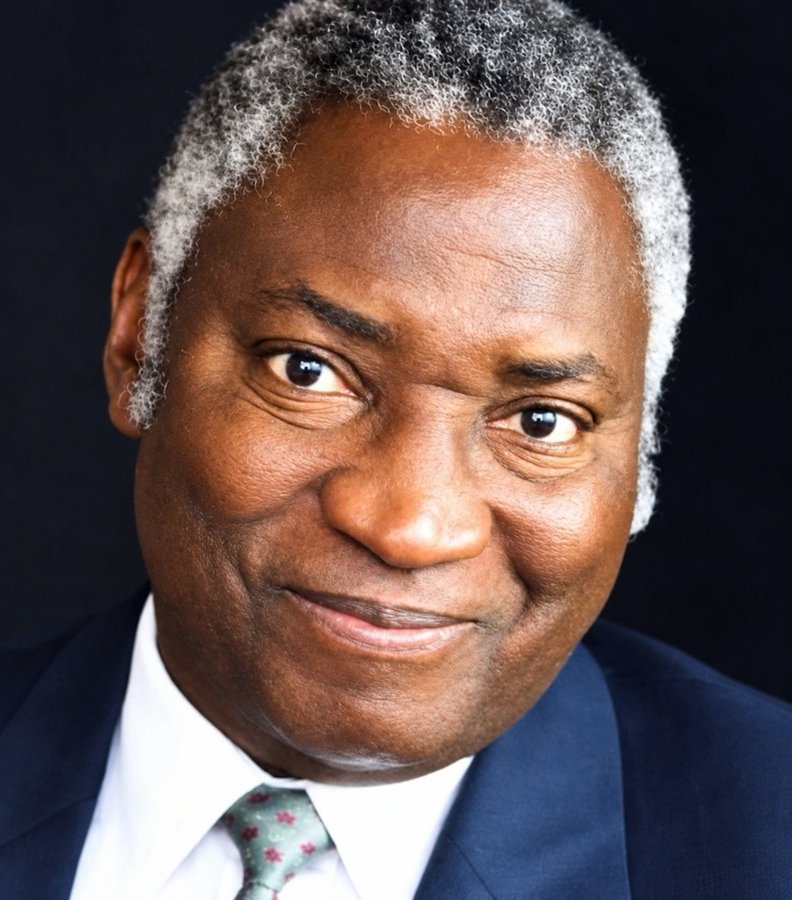
Uganda courts private capital to close $28 billion climate finance gap
With billions of dollars required over the next five years, policymakers increasingly see climate finance not simply as environmental spending, but as a catalyst for economic transformation, innovatioOn, industrial competitiveness and long-term sustainable growth.
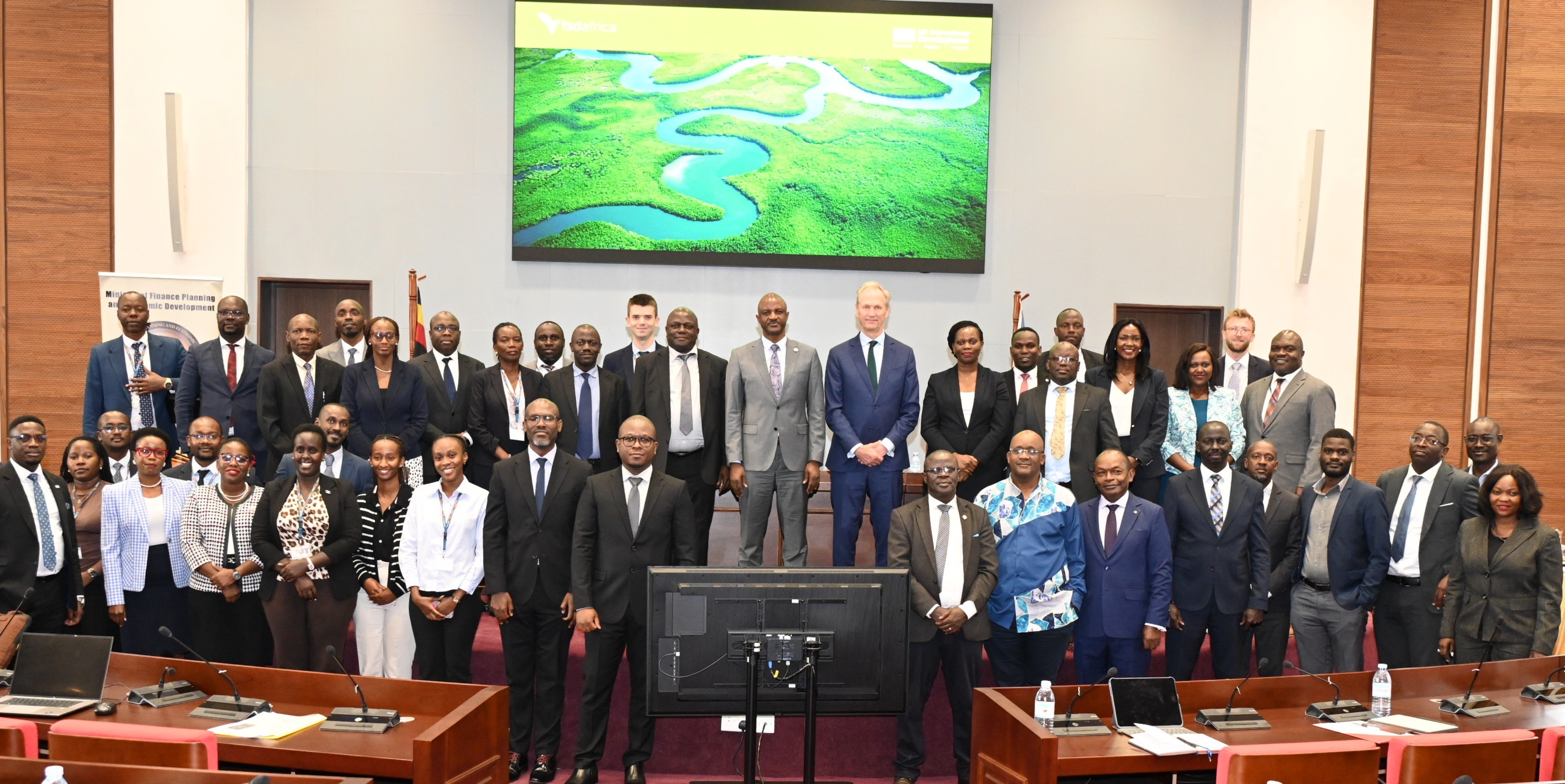
Uganda is stepping up efforts to unlock billions of dollars in private investment for climate action, with the Ministry of Finance positioning climate finance not only as an environmental necessity but also as one of the country’s biggest economic opportunities.
The call was made during a high-level CEOs’ Breakfast Meeting on Climate Finance Mobilisation convened by the Ministry of Finance, Planning and Economic Development.
The meeting brought together chief executives from financial institutions, private sector companies, capital markets and development partners under the theme, “Climate Finance in Action: From Policy to Private Investment.”
Speaking at the event, Permanent Secretary and Secretary to the Treasury (PSST) Dr Ramathan Ggoobi said Uganda requires US$28.1 billion to implement its climate action agenda by 2030, with 86 percent of the financing expected to come from the private sector and international partners.
Rather than viewing the financing gap as an obstacle, Dr Ggoobi urged investors to see it as an unprecedented opportunity to finance Uganda’s green economic transformation.
“This funding gap is not a challenge. It is the largest investment opportunity for our economy,” he said.
He warned that failure to adequately address climate risks could cost Uganda up to 7 percent of its Gross Domestic Product (GDP) by 2040, making climate resilience an economic imperative rather than solely an environmental concern.
Climate resilience as an economic strategy
The government’s renewed emphasis on climate finance reflects a broader shift towards integrating climate resilience into Uganda’s long-term development strategy.
Dr Ggoobi said government remains committed to investing in climate-smart infrastructure, describing it as evidence that Uganda is taking climate risks seriously while creating conditions for sustainable economic growth.
The breakfast meeting sought to engage the country’s top corporate leaders in identifying barriers that continue to limit climate investments while exploring practical measures to attract greater private sector participation.
Organisers also sought concrete institutional commitments that would accelerate investment in green projects across sectors such as renewable energy, climate-smart agriculture, sustainable transport, water management and resilient infrastructure.
Climate finance can drive development
Delivering the keynote address, Financial Sector Deepening (FSD) Africa Chief Executive Officer Mark Napier challenged the notion that climate action comes at the expense of economic growth.
Instead, he argued that climate finance provides an opportunity to stimulate innovation, industrialisation and job creation.
“Climate finance is not a trade-off against development; it is a route to development and innovation,” Napier said.
He observed that while global climate finance has reached approximately US$2 trillion, it remains significantly below the US$7.8 trillion required annually to meet global climate goals.
Napier added that Africa continues to receive only a small share of available private climate finance despite being among the regions most vulnerable to climate change.
Lessons from global success stories
To demonstrate how deliberate policy can stimulate green investment, Napier cited Norway, where 96 percent of new vehicle sales are now fully electric, illustrating how supportive policies can transform entire industries while creating economic opportunities.
He also highlighted Uruguay’s successful issuance of a sustainability-linked sovereign bond, which attracted 40 first-time international investors, showing that innovative green financial instruments can broaden a country’s investor base beyond traditional financing sources.
The examples underscored the growing role of sustainable finance in attracting international capital while supporting climate objectives.
Private sector calls for stronger incentives
Despite growing interest in climate investments, private sector executives said businesses that have already embraced green technologies continue to receive little recognition or financial reward.
Participants noted that companies investing in cleaner production systems, renewable energy technologies, waste reduction and environmentally sustainable operations currently lack adequate fiscal incentives or preferential access to financing.
Business leaders argued that introducing tax incentives, green credit facilities and sustainability-linked financing could accelerate private investment in climate-friendly projects.
Such measures, they said, would improve the commercial viability of green investments while supporting Uganda’s broader industrialisation agenda.
From dialogue to action
The meeting concluded with participants agreeing on several priority actions aimed at strengthening Uganda’s climate finance ecosystem.
Among the proposals were the development of a CEO Declaration on Climate Finance, the establishment of a Private Sector Climate Finance Taskforce, and the identification of priority financing opportunities alongside regulatory reforms needed to unlock greater private investment.
The outcomes signal a growing recognition that achieving Uganda’s climate ambitions will require stronger collaboration between government, financial institutions and the private sector.
With billions of dollars required over the next five years, policymakers increasingly see climate finance not simply as environmental spending, but as a catalyst for economic transformation, innovatioOn, industrial competitiveness and long-term sustainable growth.