NAM Chair or US Ally? FDC challenges Uganda’s Gaza military deployment
The FDC argues that Uganda, as the current chair of NAM for the 2024–2027 term, has a particular responsibility to uphold the movement’s principles and maintain its credibility on the international stage.
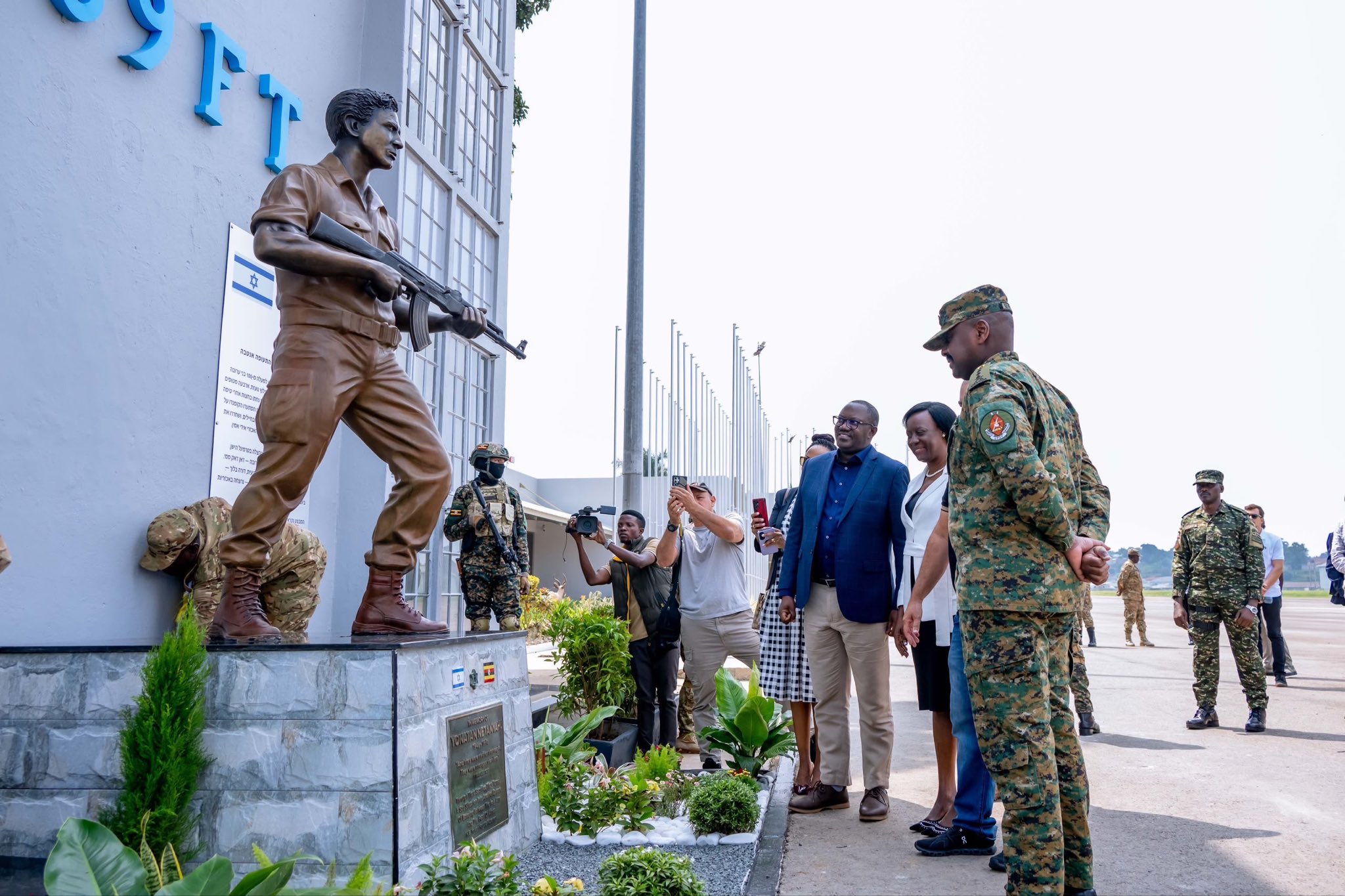
The Forum for Democratic Change (FDC) has opposed Uganda’s proposed deployment of Uganda People’s Defence Forces (UPDF) troops to Gaza under the International Stabilization Force (ISF), arguing that the mission could undermine Uganda’s credibility as chair of the Non-Aligned Movement (NAM).
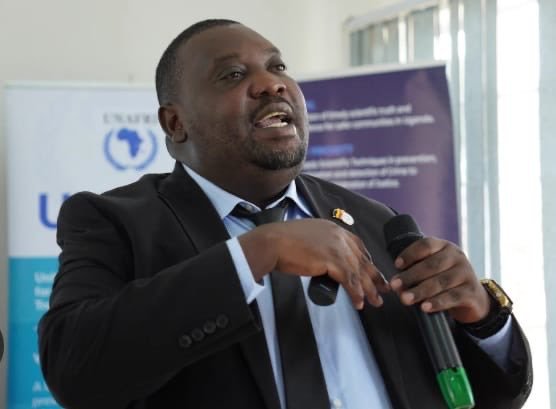
In a communiqué dated August 10, 2026, FDC Deputy President and Obongi MP Hon. Fungaroo Kaps Hassan said Uganda’s participation in the proposed force would conflict with the principles of NAM, particularly its positions on Palestinian self-determination, national sovereignty and opposition to foreign military intervention.
The FDC argues that Uganda, as the current chair of NAM for the 2024–2027 term, has a particular responsibility to uphold the movement’s principles and maintain its credibility on the international stage.
According to the opposition party, joining an ISF framework linked to the United States would place Uganda in a contradictory position—championing Palestinian rights and sovereignty through NAM while simultaneously participating in a military arrangement that the FDC describes as aligned with US strategic interests.
FDC questions Parliament’s role
The party has also criticised the parliamentary process surrounding the proposed deployment, claiming that Members of Parliament were not given adequate time to examine the matter.
The FDC alleges that the motion was hurriedly tabled and passed without sufficient debate, committee scrutiny, risk assessment or cost-benefit analysis.
The party says Parliament should have given greater consideration to the nature of the Gaza conflict, the implications of the deployment for Uganda’s NAM commitments and the potential risks to Ugandan soldiers.
It has also questioned the arrangements for the welfare and protection of UPDF personnel who could be deployed to the conflict zone.
Among the concerns raised are the risks faced by Ugandan soldiers, insurance and compensation arrangements in the event of injury or death, and who would meet the financial costs of the mission.
Concerns over Uganda’s Global South position
The FDC further argues that Uganda’s participation in a US-designed force could weaken the collective position of the Global South on the Palestinian question.
The party says Uganda’s historical position within NAM and the broader Global South has been associated with opposition to colonial domination, support for sovereignty and calls for Palestinian self-determination.
It therefore warns that participation in the ISF could undermine Uganda’s diplomatic standing and its ability to speak with authority on behalf of NAM.
‘NAM or US military alliance’
The FDC has framed the issue as a choice between Uganda’s continued leadership within NAM and closer alignment with US military interests.
The party argues that Uganda cannot simultaneously maintain its role as NAM chair while acting as a military ally of the United States in Gaza and other Middle Eastern conflicts.
“If Uganda chooses to act as a U.S. ally,” the FDC says, it should withdraw from NAM and President Yoweri Museveni should resign as NAM Chair.
However, the party’s preferred position is for Uganda to remain within NAM, uphold its principles and withdraw its troops from the proposed Gaza mission.
FDC calls for withdrawal
The FDC has issued several recommendations, including a call for the government not to proceed with the UPDF deployment to Gaza.
It wants President Museveni to uphold NAM’s position on the Palestinian question and preserve Uganda’s international credibility as chair of the movement.
The party has also called for greater independence and scrutiny by Parliament, particularly when dealing with military deployment proposals brought before the House by the Executive.
It argues that MPs should have sufficient time and space to scrutinise military commitments and assess their implications for Uganda’s security, finances and foreign policy.
The FDC says Uganda’s international reputation as a NAM member and current chair depends on maintaining what it describes as a principled commitment to non-alignment, peace, sovereignty and justice.