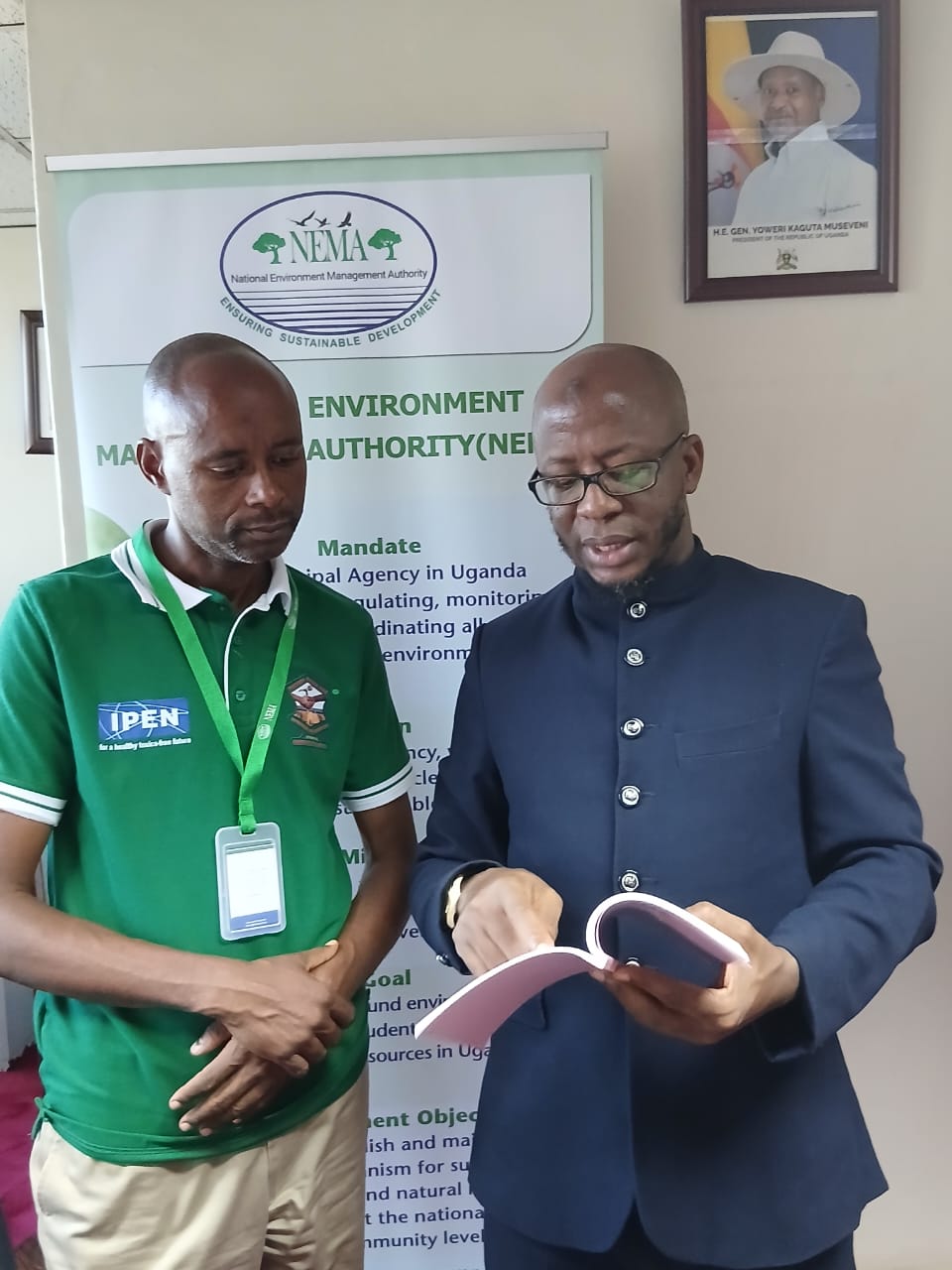
Uganda shares oil and gas quality assurance model with Tanzania
The engagement also highlights the growing energy and regulatory cooperation between Uganda and Tanzania, whose petroleum industries are increasingly interconnected through major regional infrastructure projects.
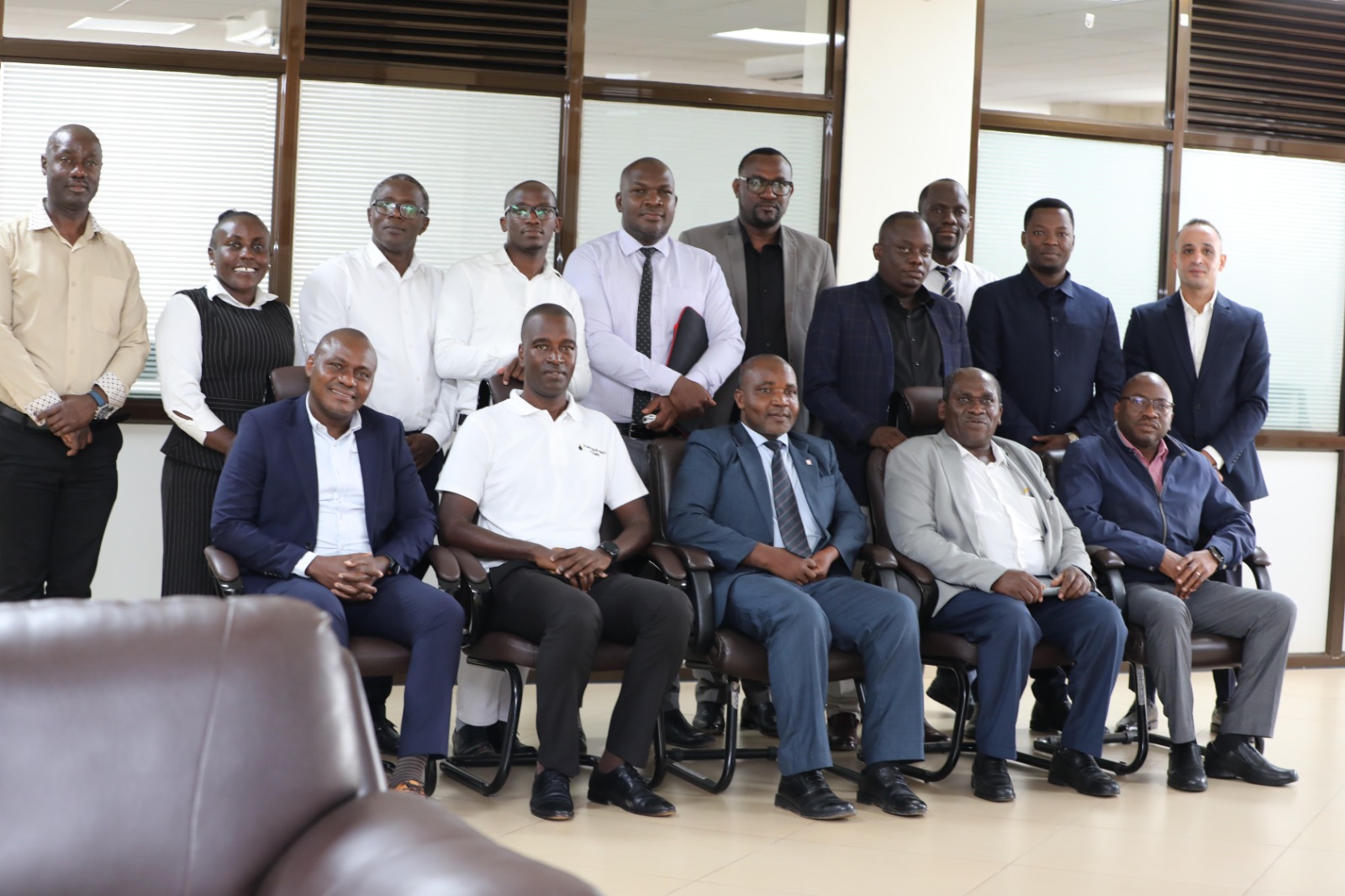
Uganda is sharing its experience in regulating the quality and conformity of equipment and services used in the petroleum sector as Tanzania moves to establish a similar quality assurance mechanism for its upstream oil and gas industry.
The Petroleum Authority of Uganda (PAU), together with the Uganda National Bureau of Standards (UNBS), is hosting a benchmarking delegation from Tanzania comprising officials from the Tanzania Bureau of Standards (TBS) and the Petroleum Upstream Regulatory Authority (PURA).
The engagement is focused on Uganda’s Pre-Export Verification of Conformity (PVoC) programme for oil and gas, a quality control mechanism designed to ensure that equipment and services destined for petroleum exploration and production operations meet applicable standards before being deployed.
Joel Tumwebaze, Manager of Health and Safety at PAU, said Uganda had developed a rigorous system to ensure that equipment and services entering the petroleum sector meet the required safety and quality standards.
“Uganda has built a rigorous system to ensure the equipment and services entering the petroleum sector meet the required standards. We are glad to share that experience as Tanzania develops its own,” Tumwebaze said.
The PVoC oil and gas programme forms part of Uganda’s broader regulatory framework for ensuring that petroleum operations use equipment and services that comply with established standards.
Beyond quality assurance, the system is intended to enhance operational safety, protect the environment and strengthen confidence in Uganda’s petroleum industry as the country moves towards commercial production.
Deus Mubangizi, Deputy Director of Compliance at UNBS, said the programme provides assurance that goods and services meet the required standards before they are deployed in petroleum operations.
“The programme gives assurance that goods and services used in the sector conform to the required standards before they are deployed. This engagement allows us to share the systems we have put in place,” Mubangizi said.
For Tanzania, the benchmarking visit comes as the country works to establish a comparable mechanism for quality control in its upstream petroleum sector. Officials are studying Uganda’s experience in designing, implementing and managing the PVoC programme.
Eng. Gervas Kaisi, Imports and Exports Control Manager at TBS, said Uganda’s experience offered practical lessons for Tanzania as it develops its own framework.
“Uganda has developed a practical model for verifying the quality of equipment and services entering the petroleum sector. The lessons from this engagement will help shape how Tanzania builds its own quality assurance mechanism,” Kaisi said.
The benchmarking exercise will extend beyond boardroom discussions, with the Tanzanian delegation scheduled to undertake field visits to some of Uganda’s major oil and gas projects.
The delegation will visit the Tilenga development in Buliisa and Nwoya districts, the Kingfisher project in Kikuube District and the East African Crude Oil Pipeline (EACOP), which begins at Kabaale in Hoima District.
The field tours are intended to provide the delegation with an opportunity to observe how Uganda’s quality assurance and regulatory requirements are applied in actual petroleum operations.
Charles Nyangi, Head of Local Content and Stakeholders Engagement at PURA, said strong quality control was critical to ensuring safe and efficient oil and gas exploration and production.
“Strong quality control is essential to safe and efficient oil and gas exploration and production operations. Uganda’s experience offers valuable insights as Tanzania prepares its own framework,” Nyangi said.
The engagement also highlights the growing energy and regulatory cooperation between Uganda and Tanzania, whose petroleum industries are increasingly interconnected through major regional infrastructure projects.
Uganda’s experience in developing standards, conformity assessment and regulatory oversight could provide a foundation for deeper regional cooperation as East African countries seek to develop petroleum resources while maintaining high standards of safety, environmental protection and operational efficiency.
The benchmarking exercise further points to the importance of harmonising standards across borders, particularly as oil and gas supply chains increasingly involve equipment, contractors and services operating across multiple East African markets.
For Uganda, sharing its regulatory experience with Tanzania provides an opportunity to strengthen regional petroleum governance while positioning its own standards and compliance systems as part of the emerging framework for a safe, competitive and well-regulated East African petroleum industry.
As both countries advance their petroleum ambitions, effective quality assurance will remain central to protecting investments, reducing operational risks and ensuring that the development of oil and gas resources delivers sustainable economic benefits to the region.