World Bank blames bureaucracy for Uganda’s delayed projects
The minister also asked the World Bank for flexibility on agreed prior actions under the Development Policy Operation (DPO), which he said were in advanced stages of conclusion.
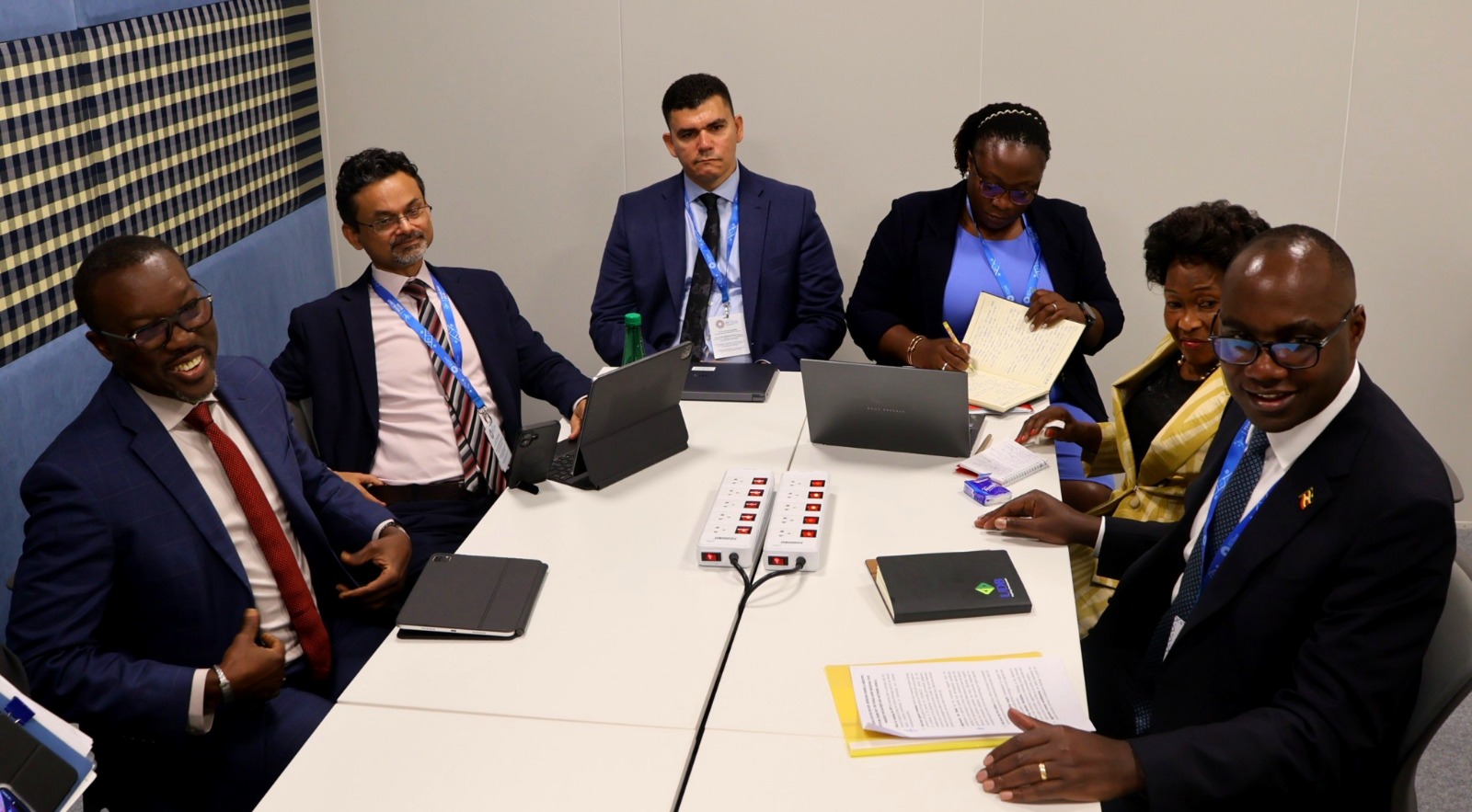
World Bank Vice President for Eastern and Southern Africa Ndiamé Diop has blamed bureaucratic bottlenecks for delays in Uganda’s development projects, urging faster implementation to ensure citizens benefit from public investments.
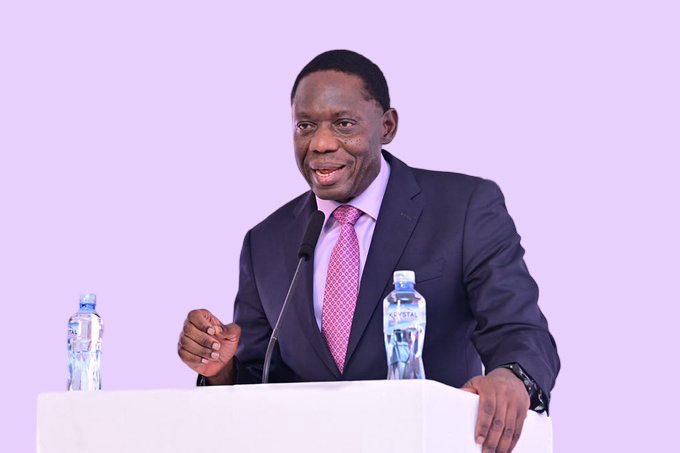
“It’s not about capacity but bureaucracy that is causing the delays,” Diop said after meeting Finance Minister Henry Musasizi on the sidelines of the 2026 World Bank and International Monetary Fund annual meetings in Bangkok, Thailand.
Diop said delays in projects covering health, education, water, energy and digital transformation were denying citizens timely access to essential services.
“It is really for the population we are trying to serve. Uganda has a great vision and the programs are great,” he said.
Musasizi acknowledged the implementation challenges, citing procurement delays, land acquisition and the commencement of projects that are not adequately studied or ready for execution.
He said government was introducing reforms, including electronic government procurement (eGP), to reduce procurement lead times and improve project delivery.
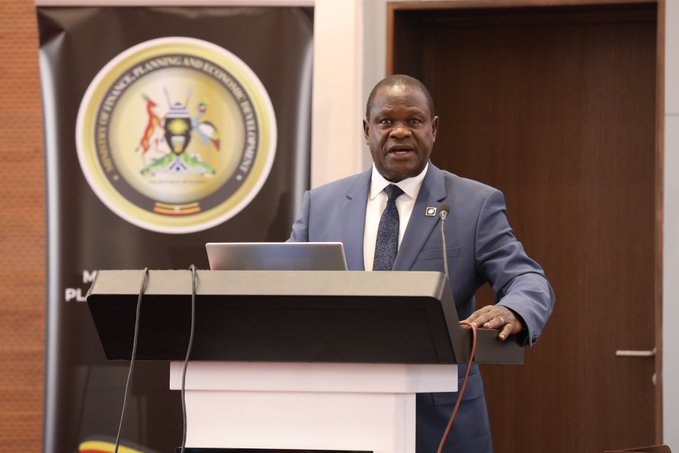
“Going forward, no project will be accepted without going through the public investment management system (PIMS) process,” Musasizi said.
The minister also asked the World Bank for flexibility on agreed prior actions under the Development Policy Operation (DPO), which he said were in advanced stages of conclusion.
“We remain committed to the agreed prior actions and would appreciate the Bank’s flexibility in ensuring that agreed actions are achievable within the stipulated timelines,” he said.
Musasizi further requested the commencement of discussions on potential financing under the World Bank’s International Development Association (IDA) 22 cycle.
Priority areas include blended financing for the proposed 800-megawatt Ayago hydropower dam, the Kampala-Kasese Standard Gauge Railway corridor, irrigation, private sector development and urban infrastructure.
Diop also expressed the World Bank’s willingness to support the development of an economic zone along the proposed railway corridor.
The talks come as Uganda seeks to accelerate infrastructure investment and advance its Tenfold Growth Strategy. Both sides emphasised the need to improve project preparation and implementation to ensure development financing translates into tangible benefits.
Earlier, Musasizi attended the World Bank Africa Group 1 Constituency’s 32nd meeting, which focused on jobs and economic transformation. The 22-member group discussed creating more and better jobs through investment in infrastructure and energy, agribusiness, healthcare, tourism and value-added manufacturing.
Musasizi was formally welcomed as Uganda’s new governor to the constituency. The delegation also bade farewell to outgoing Executive Director Zarau Kibwe and welcomed his successor, Lonkhululeko Magagula.