
UCC survey finds 52.9% of children surveyed experienced cyberbullying
The findings highlight challenges in identifying and responding to online harm, particularly when children are reluctant to report their experiences to parents, teachers or other trusted adults.
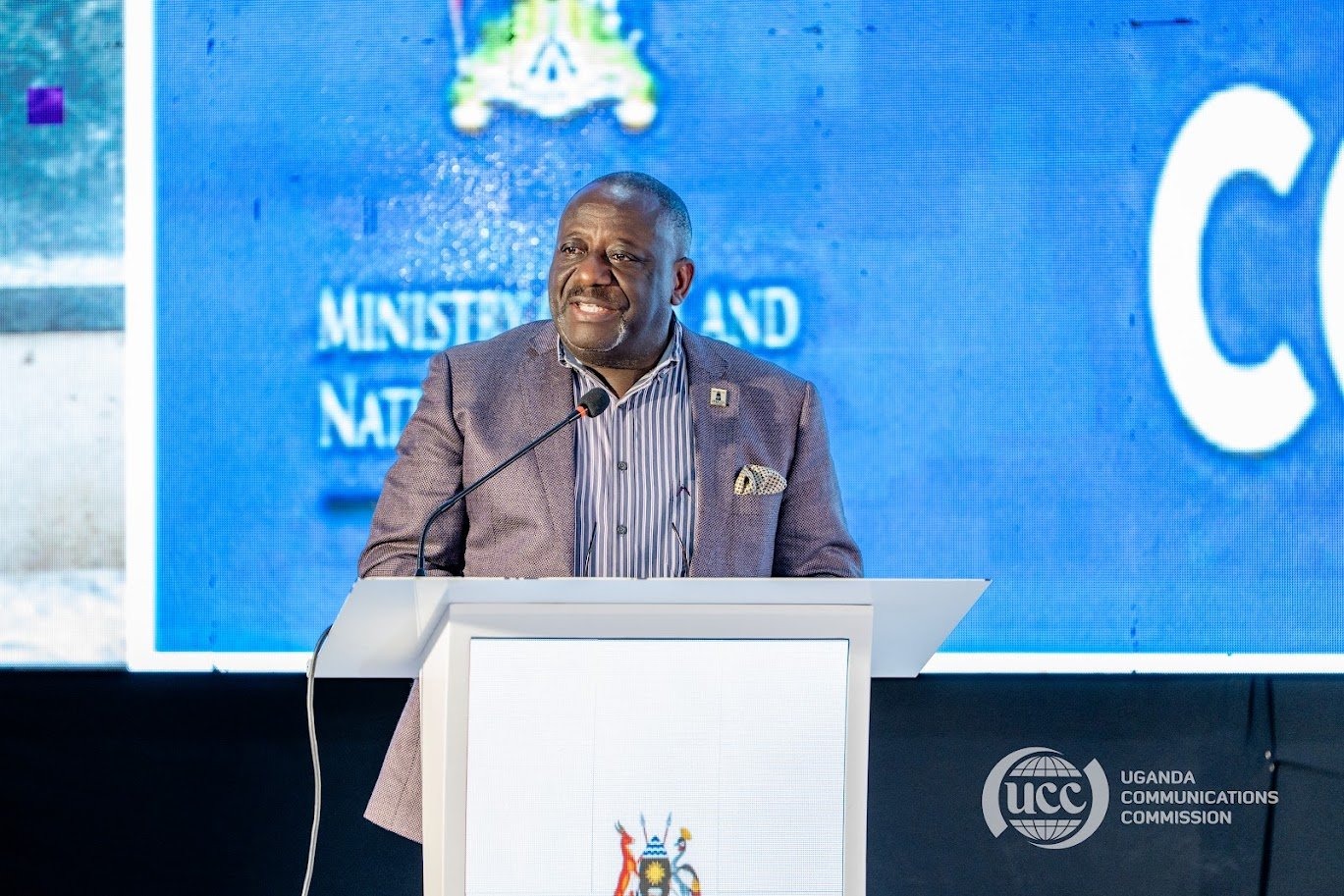
More than half of the children surveyed by the Uganda Communications Commission (UCC) reported experiencing cyberbullying, raising concerns about online safety and the need for stronger protection measures in the country’s growing digital environment.
The survey found that 52.9 per cent of children surveyed had experienced cyberbullying, while 24.1 per cent never disclosed the challenges they faced online, according to Julianne R. Mweheire, UCC’s Director of Economic Regulation, Content and Consumer Affairs.
Mweheire presented the findings during the 16th edition of the Communications Consumer Parliament, which focused on children’s online safety and the shared responsibility of protecting young people in digital spaces.
The findings highlight challenges in identifying and responding to online harm, particularly when children are reluctant to report their experiences to parents, teachers or other trusted adults.
Mweheire reaffirmed UCC’s commitment to equipping children, parents, teachers and communities with the knowledge and skills needed to navigate digital spaces safely through its nationwide Child Online Protection Campaign.
The Communications Consumer Parliament also provides a platform for consumers and stakeholders to discuss consumer concerns and protection in an evolving communications environment.
During the meeting, Senior Superintendent of Police Jackson Mucunguzi called for stronger measures to protect children online, urging parents and guardians to take an active interest in children’s digital activities.
In his petition, Mucunguzi called for stronger child online protection frameworks, the integration of digital safety education into school curricula, improved reporting mechanisms and enhanced capacity for law enforcement officers to respond to online harm.
Dr Byamah B. Mutamba, deputy executive director of Butabika National Referral Mental Hospital, also presented a petition calling for a coordinated national response to child online protection.
The petition urged greater accountability from digital platforms, accessible and child-sensitive reporting and support services, digital safety training for parents and teachers, and sustained research to guide policy and regulatory interventions.
UCC’s executive director, Nyombi Thembo, emphasised that protecting children online requires a shared effort involving parents, teachers, communities, technology providers and regulators.
He said parents should serve as the first line of guidance, helping children navigate online spaces while enabling them to benefit from digital opportunities.
The objective, he stressed, should not be to keep children offline but to ensure they can use digital platforms safely and responsibly.
He also called for greater use of computer laboratories in schools, noting that providing access to the facilities should translate into meaningful computer learning time for pupils.
The discussions come amid growing calls for coordinated efforts to address cyberbullying and other forms of online harm while equipping children with the skills to participate safely in the digital economy.