China recalls nearly 3 million Tesla vehicles over hidden door handles
The recall affects about 2.9 million Tesla vehicles sold in China, according to reports, making it one of the largest safety actions involving the electric vehicle manufacturer.
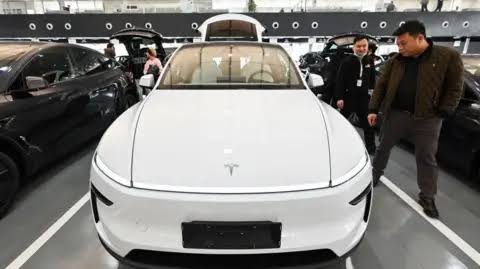
China has ordered the recall of nearly three million Tesla vehicles over concerns that their hidden electronic door handles could make it difficult for occupants and rescuers to open the cars during emergencies.
The recall affects about 2.9 million Tesla vehicles sold in China, according to reports, making it one of the largest safety actions involving the electric vehicle manufacturer.
The issue centres on electronically operated door handles that can become difficult or impossible to use if a vehicle loses electrical power, particularly following a serious crash.
Chinese authorities are also targeting other vehicle manufacturers using similar door-handle designs, as the country moves to strengthen safety requirements for vehicles sold in its market.
Under new rules scheduled to take effect in January 2027, vehicles will be required to have mechanical door releases on both the inside and outside.
The regulations are intended to ensure that passengers and emergency responders can open vehicle doors even when the electrical system is damaged or fails.
Tesla has previously faced scrutiny over its door-handle design, with safety concerns focusing on situations in which a crash disables the vehicle’s low-voltage electrical system.
The recall highlights growing regulatory pressure on electric vehicle manufacturers to balance innovative vehicle designs with basic safety requirements.
China is a major market for Tesla and an important manufacturing base for the company, with its Shanghai plant producing vehicles for both the domestic and international markets.
The latest action could also have wider implications for other automakers adopting flush or electronically operated door handles as manufacturers increasingly introduce minimalist designs in modern vehicles.
The recall comes amid growing scrutiny of vehicle safety technology and the ability of emergency responders to access vehicles after crashes.