Museveni defends Balaam – Nameere corruption field inspections, calls for swift prosecution
Museveni said the frequency and impunity with which corruption occurs across government institutions provide sufficient grounds for the investigations.
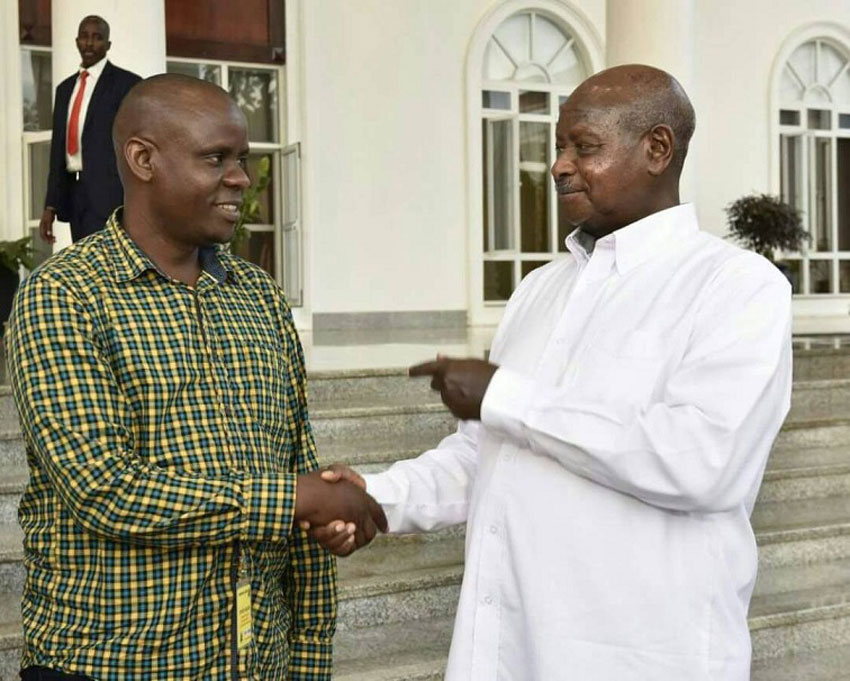
President Yoweri Museveni has defended field inspection tours by local government minister Balaam Barugahara and other government officials, saying their direct engagement with citizens is helping expose widespread corruption and bypass officials accused of covering up wrongdoing.
In a message addressed to Ugandans, whom he referred to as “Bazzukulu,” Museveni dismissed concerns that the ministers could be “Kutomera” — blindly stumbling into issues — during their inspections.
He said the frequency and impunity with which corruption occurs across government institutions provide sufficient grounds for the investigations.
“It is on account of the impunity and frequency of the corruption occurrences and the unaccountable actors,” Museveni said.
The President said he personally encountered numerous corruption complaints during the recent campaigns, forcing him to interrupt campaign activities to address grievances from citizens, particularly concerning the Parish Development Model (PDM).
He also cited complaints from elders in Bunyoro about the alleged sale of local government jobs and reports concerning “ghost” learners and teachers in government schools and health facilities.
Museveni urged the Director of Public Prosecutions (DPP) to designate a dedicated officer to rapidly assess the evidence emerging from the investigations and facilitate prosecution where cases are established.
“The challenge now is for the DPP to have a dedicated officer that can quickly assess the abundant evidence against these criminals so that they are prosecuted,” he said.
According to Museveni, Uganda’s fight against corruption has been undermined by two major challenges: alleged cover-ups by officials responsible for protecting national interests and the failure of sections of the elite to report wrongdoing despite having access to decision-making centres.
He credited Barugahara and Minister of State for local government Justine Nameere for taking their investigations directly to citizens through public gatherings, commonly known as barazas.
Museveni said the approach has enabled the officials to bypass what he described as a “blockade” created by corrupt individuals and their protectors.
He, however, praised Works and Transport Minister Fred Byamukama for what he described as patriotic conduct after exposing an alleged extortion racket operating within State House.
“He reported them to me, and we trapped the thieves and arrested them. This corruption in Uganda is stoppable,” Museveni said.
The President urged government officials to resist covering up corruption and called on citizens to report suspected wrongdoing.
“Do not cover-up if you are a Government officer and report if you are a citizen,” he said.
Museveni also revealed that he had previously tasked former Local Government Minister Raphael Magyezi with following up corruption complaints raised by citizens.
Although Magyezi visited some of the affected areas, Museveni said decisive action appeared not to have followed.
He said the large public turnouts witnessed during the recent barazas demonstrated renewed public enthusiasm for direct engagement with government officials.
Museveni compared the response to the early days of the National Resistance Movement (NRM), when large crowds reportedly attended public meetings voluntarily without organisers providing food, drinks or tents for local elites.
“We are back to the earlier NRM days when huge crowds would flock voluntarily to our public meetings,” he said.
The President’s remarks come amid heightened government attention to corruption allegations and growing calls for authorities to ensure that complaints collected through public engagements translate into investigations, prosecutions and recovery of public resources.