
Who benefits from Uganda’s natural resources? Finance minister Lugoloobi makes the case for transparency
For Uganda, the transparency agenda comes at a critical stage as the country prepares for commercial oil production while seeking to expand its mining and mineral-processing industries.
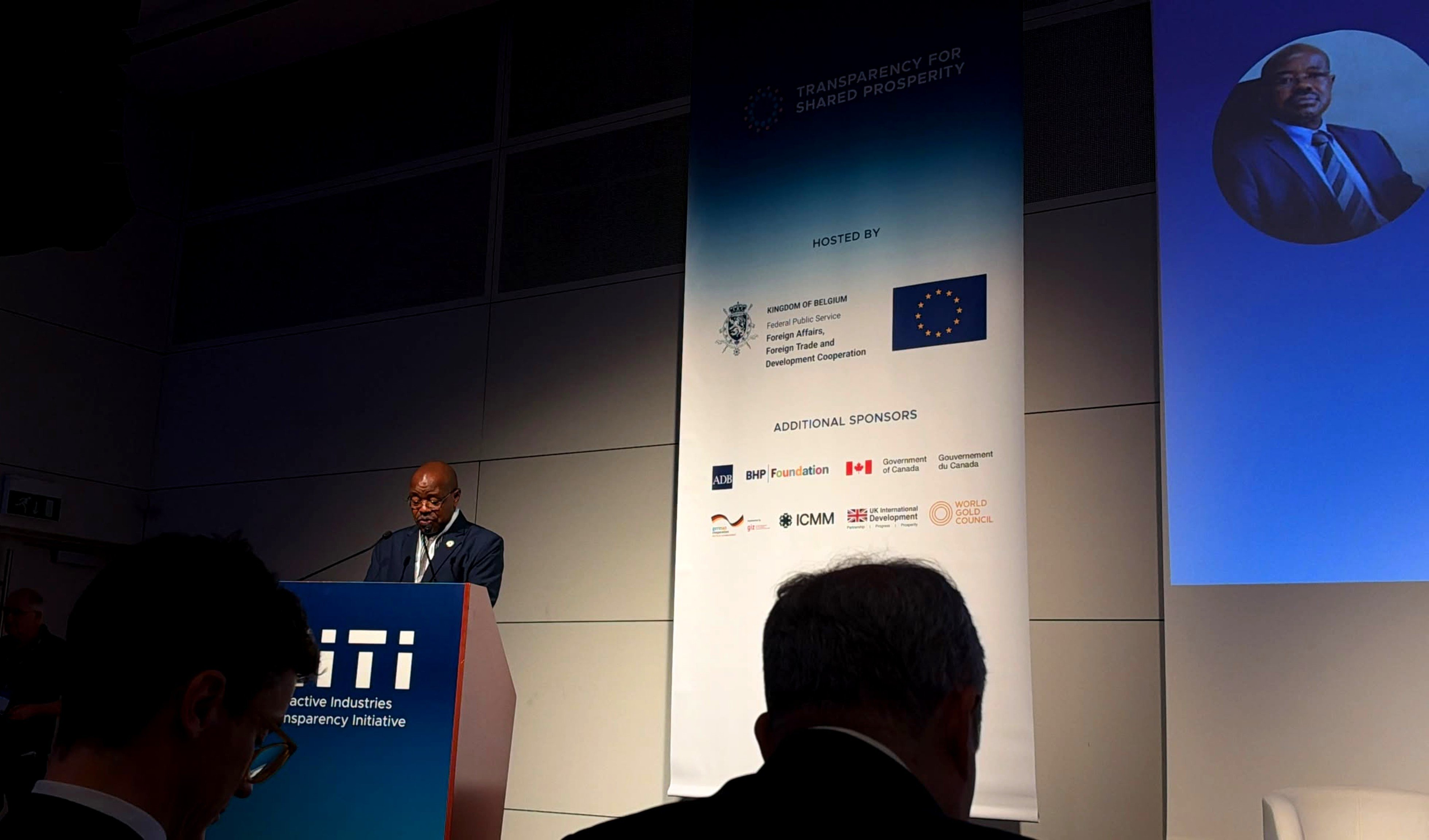
Uganda’s growing extractive industry must deliver measurable benefits to citizens through transparent revenue management, accountable institutions and investment in productive infrastructure, State Minister for Planning Amos Lugoloobi has said.
Speaking at the 2026 Extractive Industries Transparency Initiative (EITI) Global Conference in Brussels, Belgium, Lugoloobi called on oil and mineral producing countries to ensure natural resources are managed openly and responsibly to support national development.
“I therefore make a call for other oil and mineral-producing countries to ensure that resources are used transparently and in an accountable way for the benefit of the citizens,” Lugoloobi said.
Representing Uganda at the global gathering, the minister outlined the country’s experience since joining EITI in 2020, highlighting the initiative’s role in improving access to information, encouraging stakeholder engagement and supporting policy dialogue on extractive-sector governance.
The conference brought together government ministers, EITI officials, industry representatives, civil society organisations and other stakeholders to discuss transparency and accountability in natural resource management.
Transparency as an investment tool
For Uganda, the transparency agenda comes at a critical stage as the country prepares for commercial oil production while seeking to expand its mining and mineral-processing industries.
The development of the petroleum sector presents opportunities for government revenue, infrastructure investment, employment and growth in supporting industries. However, the economic returns will depend partly on how revenues are disclosed, collected, allocated and spent.
Lugoloobi said Uganda’s participation in EITI had created a platform for government, industry and civil society to engage on the contribution of natural resources to the economy.
He added that access to information and data had supported policy discussions while helping create an environment conducive to investment.
The framework has also enabled policymakers to examine the extractive sector’s contribution to the economy and understand its entire value chain, including challenges requiring government attention.
“The EITI framework has enabled policymakers to examine the contribution of the extractive sector to the economy and to understand the significance of the whole value chain of the extractive sector, not forgetting the challenges faced that need our attention,” he said.
Turning resource wealth into public value
Uganda’s challenge is to ensure that anticipated oil and mineral revenues translate into tangible improvements in citizens’ livelihoods rather than remaining concentrated in extraction activities.
Lugoloobi said the government was committed to using natural resources to finance infrastructure development, provide social services and improve living standards.
Achieving that objective requires transparency throughout the extractive value chain, including disclosure of payments, government revenues and how public funds are ultimately utilised.
It also requires effective oversight and public access to information that allows citizens to assess whether natural resource wealth is contributing to national development.
While transparency initiatives can strengthen accountability and investor confidence, their impact ultimately depends on whether disclosed information informs decisions, exposes weaknesses and supports corrective action.
Lugoloobi reaffirmed Uganda’s commitment to EITI, saying the initiative would continue to contribute to the country’s national development process.
As Uganda advances its oil and mineral ambitions, the central economic test will be whether responsible resource management generates sustainable revenues, supports productive investment and delivers lasting benefits to the population.