Uganda offers Naguru land for East African Central Bank as Kenya, Tanzania and Burundi express interest
For Uganda, the immediate ambition is not only to participate in these regional institutions but also to secure a strategic hosting position as the Community advances towards monetary and political integration.
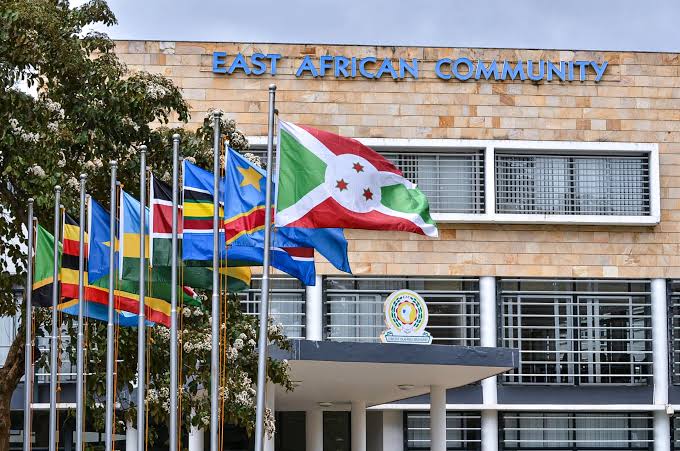
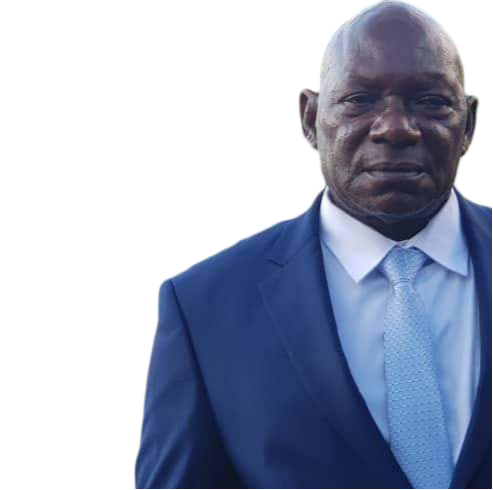
Uganda is seeking to host the proposed East African Central Bank, with First Deputy Prime Minister Rebecca Kadaga revealing that government has set aside three acres of land in Naguru, Kampala, awaiting a regional decision on the institution’s location.
Kadaga told Parliament that Uganda is among four East African Community (EAC) partner states interested in hosting the regional monetary institution, alongside Kenya, Tanzania and Burundi.
She called on legislators to support efforts to lobby for Uganda to secure the institution, arguing that hosting key regional institutions would strengthen the country’s position in the integration process.
“We have three acres of land here in Naguru, just waiting for the decision,” Kadaga said.
She asked MPs to “help me to lobby”, noting that other important EAC institutions, including the regional court and the East African Legislative Assembly, are already hosted in other partner states.
Her remarks came during a parliamentary statement on the East African Payment System, which is part of the region’s broader efforts to deepen financial and monetary integration.
The proposed East African Central Bank is linked to the EAC’s long-term monetary integration ambitions, which include establishing a monetary union and eventually adopting a single regional currency.
Kadaga’s disclosure comes as the EAC pursues the East African Monetary Union, a major integration milestone intended to harmonise monetary policies, strengthen financial stability and eventually introduce a single regional currency.
The Monetary Union Protocol, signed on November 30, 2013, provides for the establishment of an East African Central Bank as part of the institutional framework for a common monetary system.
Under Article 20 of the protocol, the EAC Summit of Heads of State is mandated to establish the regional central bank on the recommendation of the Council of Ministers.
The institution is expected to work alongside national central banks in participating countries, forming an integrated system responsible for monetary policy within the single-currency area.
The protocol also provides for the regional bank to operate independently, without influence from individual partner states.
However, establishing the institution requires progress on several prerequisites, including harmonisation of monetary and fiscal policies, integration of payment and settlement systems, and compliance with agreed macroeconomic convergence criteria.
These include controlling inflation, fiscal deficits and public debt while maintaining adequate foreign-exchange reserves.
Uganda’s bid to host the central bank comes amid wider efforts to strengthen its participation in EAC institutions and benefit from the economic opportunities arising from regional integration.
Kadaga’s appeal to Parliament to support the lobbying effort signals the importance government attaches to securing the institution’s headquarters.
Hosting the central bank would place Uganda at the centre of the region’s proposed monetary architecture, although the final location will depend on decisions by EAC partner states.
The discussion also comes against the backdrop of incomplete regional financial integration. Kadaga told Parliament that the existing East African Payment System currently connects Uganda, Kenya, Tanzania and Rwanda, while Burundi, South Sudan, the DRC and Somalia are yet to be fully integrated.
She said a regional instant payment switch, designed to enable secure and affordable transfers across all partner states, is planned within three to five years.
Meanwhile, Kadaga informed Parliament that consultations on the proposed East African Political Federation had been completed in five partner states, with hopes of having a draft constitution by the end of 2026.
The developments underline the breadth of the EAC’s integration ambitions, spanning financial systems, monetary policy, trade and political cooperation.
For Uganda, the immediate ambition is not only to participate in these regional institutions but also to secure a strategic hosting position as the Community advances towards monetary and political integration.