Government seeks stronger safeguards ahead of e-procurement expansion
Government says the ultimate objective is to protect taxpayers' money, improve value for money and strengthen public confidence in the management of public resources.
Government is preparing to extend its Electronic Government Procurement (e-GP) System to 100 additional procuring and disposing entities, bringing the total number of institutions targeted under the rollout to 136.
The expansion builds on an initial pilot involving 36 entities and is part of efforts to digitise public procurement, improve transparency and accountability, and minimise the risk of corruption and misuse of public funds.
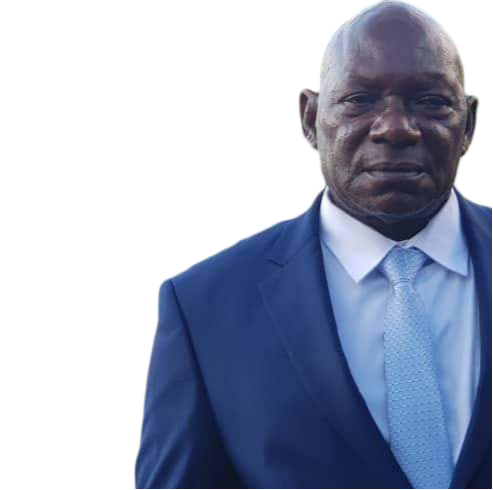
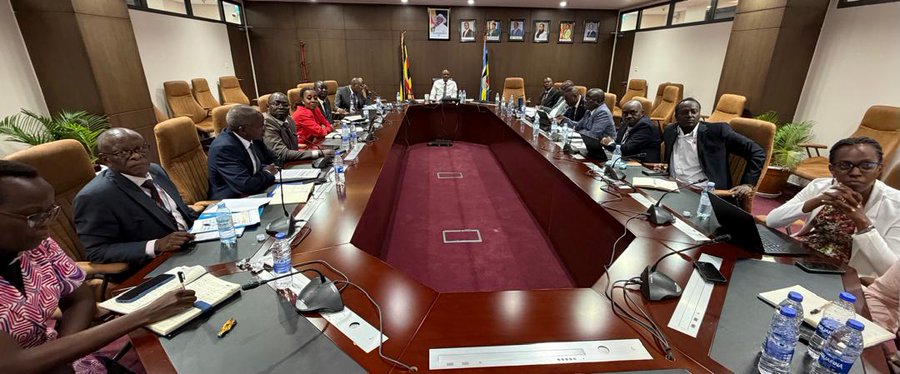
The planned rollout was discussed at a steering committee meeting chaired by the Permanent Secretary and Secretary to the Treasury, Ramathan Ggoobi, which assessed preparations for Version 2.0 of the e-GP System ahead of its wider deployment.
Ggoobi emphasised the need for a clear and sustainable implementation roadmap, warning that nationwide deployment would require reliable infrastructure, effective risk management and a system capable of supporting an increasing number of government institutions.
He tasked the technical team to develop a comprehensive maintenance and sustainability framework to ensure reliable system performance, continuity of operations and the capacity to accommodate more users.
The National Information Technology Authority-Uganda (NITA-U) was also urged to prioritise robust core infrastructure to support the system’s expanding demands while maintaining stability, security and uninterrupted service delivery.
Particular attention was drawn to potential disruptions that could affect procurement transactions, including failures in SMS notifications.
Ggoobi called for a comprehensive contingency and risk-management plan to ensure that technical interruptions do not compromise procurement processes or delay transactions.
The Acting Accountant General, Godfrey Ssemugoma, and his technical team, together with the system developer, presented an update on the system’s development and preparations for Version 2.0.
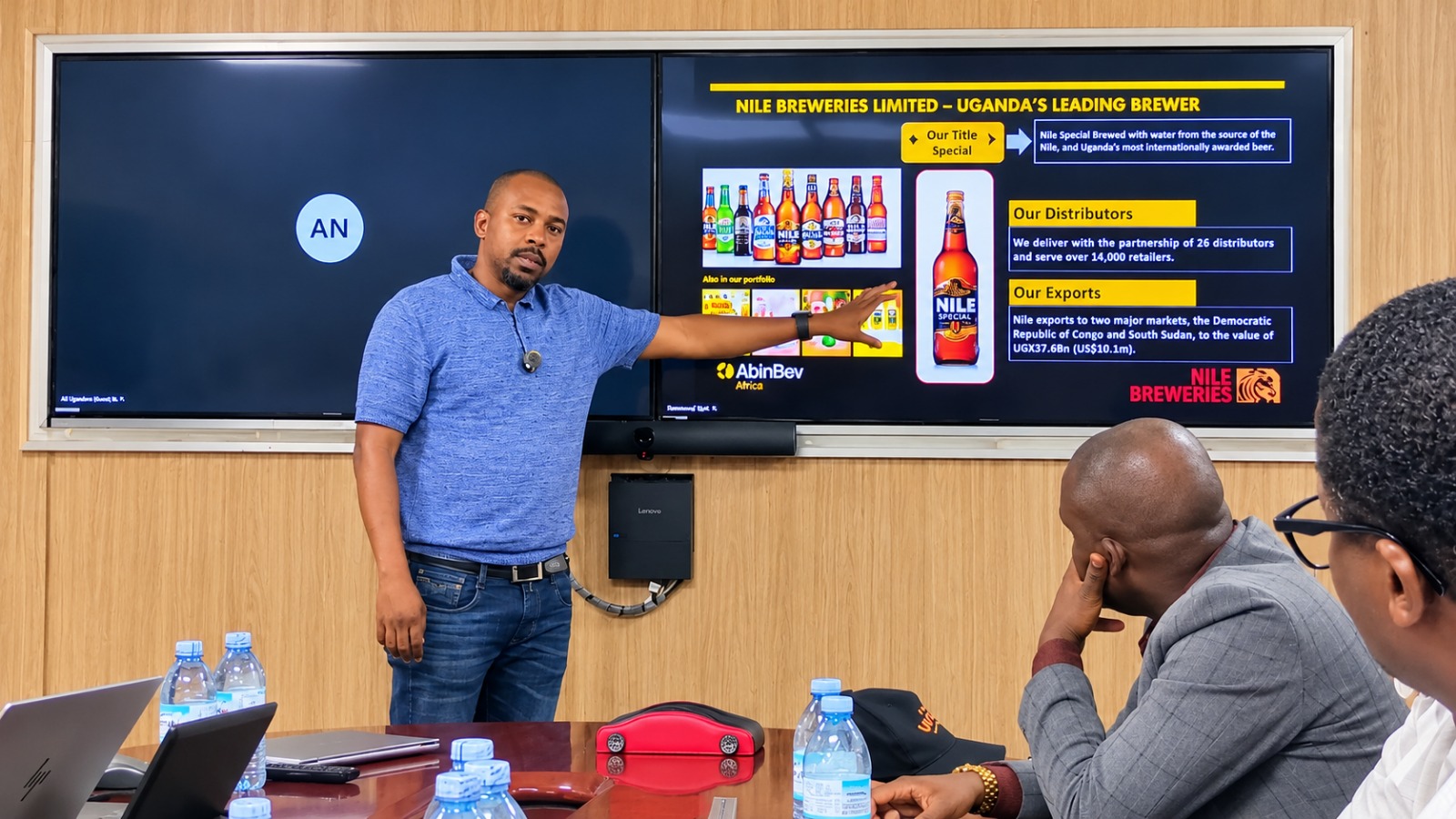
Following the meeting, Ggoobi visited a training facility where he interacted with officers from various ministries, departments and agencies undergoing training on the upgraded system.
The training is intended to equip government procurement officers with the skills required to operate Version 2.0 and facilitate a smooth transition ahead of the wider rollout.
Digital procurement reform
The e-GP System is designed to transform how government entities procure goods, works and services by moving procurement processes onto a digital platform.
Through digitisation, government expects to promote open competition, improve access to procurement information, strengthen oversight and reduce opportunities for procurement irregularities.
The reform is also intended to improve efficiency and accountability in public spending, ensuring that resources allocated to infrastructure and social services are used for their intended purposes.
The planned expansion to 136 entities marks another step towards establishing a more integrated public procurement system, although its success will depend on the reliability of the technology, the capacity of implementing institutions and the ability to address operational challenges as more entities come on board.
Government says the ultimate objective is to protect taxpayers’ money, improve value for money and strengthen public confidence in the management of public resources.