Museveni’s 4-Acre Model: A practical pathway to food security and household prosperity
The 4-Acre Model offers a practical answer. It encourages households to maximise the productive potential of their land by combining food production, commercial agriculture and livestock farming.
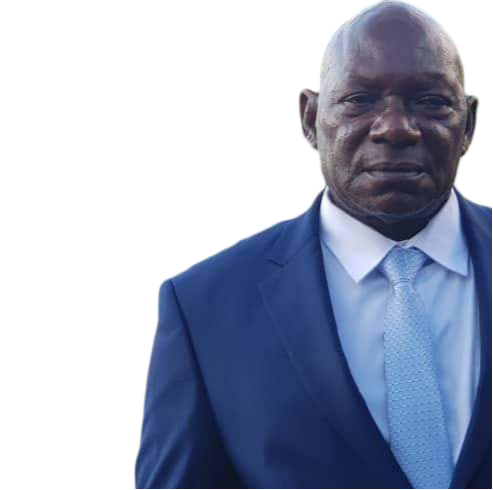
By Michael Waiswa Baluye
President Yoweri Kaguta Museveni has consistently urged Ugandans with small landholdings, particularly those owning four acres or less, to embrace the 4-Acre Model as a pathway to household food security, poverty reduction and wealth creation.
The President has cautioned smallholder farmers against committing their limited land to sugarcane growing, arguing that dedicating an entire smallholding to a single commercial crop can undermine household food production and expose families to economic vulnerability.
His message raises an important question about how Ugandans use their limited land: Should smallholder farmers prioritise a single cash crop or adopt diversified farming systems that provide food, income and employment?
The 4-Acre Model offers a practical answer. It encourages households to maximise the productive potential of their land by combining food production, commercial agriculture and livestock farming.
The dangers of relying on a single crop
For households with limited land, dedicating most or all available acreage to one crop, such as sugarcane, can create several challenges.
Food insecurity: Excessive concentration on cash crops at the expense of food production can leave families dependent on purchased food, increasing their vulnerability when household incomes decline.
Exposure to market risks: Reliance on a single crop exposes farmers to unpredictable prices, delayed payments, changing market demand and production challenges. A poor season or unfavourable market conditions can significantly affect household income.
Vulnerability to hunger: When families prioritise commercial crops without securing adequate food supplies, they risk experiencing shortages, particularly during prolonged dry seasons or periods of economic hardship.
Limited employment opportunities: Diversified agriculture creates opportunities for family members to participate in different farming activities throughout the year. Single-crop production may offer fewer opportunities for sustained household employment.
Underutilisation of land: Small pieces of land can generate greater economic and nutritional value when allocated to complementary agricultural enterprises rather than being committed to one activity.
Making the 4-Acre Model work
The strength of the 4-Acre Model lies in diversification. Rather than relying on one agricultural enterprise, households can combine different activities to meet their food needs, generate income and build resilience.
A practical allocation could include:
One acre for cash crops: Coffee or other commercially viable crops suited to the area’s soil, climate and market conditions. This provides a potential source of regular household income.
One acre for fruits and high-value crops: Farmers can grow fruits, vegetables and other high-value horticultural crops for household consumption and sale. This can provide additional income and improve household nutrition.
One acre for food crops: Land should be reserved for essential food crops such as bananas, beans, maize, sweet potatoes and vegetables to ensure household food availability and reduce dependence on purchased food.
One acre for livestock and related enterprises: This can support dairy or other livestock farming, poultry, piggery and pasture production, depending on available resources and local conditions. Livestock can provide additional income, food and valuable agricultural inputs.
These allocations should not be treated as rigid prescriptions. The appropriate farming enterprises will depend on household priorities, geographical location, soil fertility, rainfall patterns, market access, labour availability and financial capacity.
The objective is to ensure that every portion of available land contributes meaningfully to household welfare and economic productivity.
Food security must come first
Agriculture should not be measured solely by the money a farmer earns from selling produce. Its contribution to household nutrition, food availability, employment and economic resilience is equally important.
A household that earns money from a commercial crop but cannot adequately feed its members remains vulnerable. Similarly, a family that produces enough food but has no reliable source of income may struggle to meet other essential needs, including education, healthcare and housing.
This is why agricultural diversification matters. Combining food crops with cash crops and livestock allows households to address both immediate consumption needs and longer-term financial aspirations.
It also reduces dependence on a single source of income and provides opportunities to generate revenue at different times of the year.
For Uganda, where many households depend on smallholder agriculture, promoting productive use of limited land should be a central component of the country’s food security and wealth creation agenda.
A national strategy for household transformation
The 4-Acre Model should be understood not merely as a poverty-eradication initiative but as a broader strategy for transforming rural livelihoods, strengthening household economies and improving national food security.
Its success, however, depends on more than land allocation. Farmers need access to quality agricultural inputs, extension services, affordable financing, irrigation, storage facilities, reliable markets and practical knowledge to adopt appropriate farming technologies.
Government should therefore complement the promotion of the model with sustained investment in agricultural infrastructure, farmer education, value addition and market development.
Equally important is the need to encourage households to adopt farming practices suited to their local environments rather than mechanically implementing the same crop combinations across the country.
Ultimately, owning a small piece of land should not condemn a household to poverty. With proper planning, diversification and productive investment, even limited acreage can support a decent livelihood.
The principle is straightforward: Feed the household, diversify production, create income and use every available acre productively.
Uganda cannot build lasting household prosperity while families remain vulnerable to hunger despite having land. The 4-Acre Model provides an opportunity to turn small landholdings into productive assets that support food security, employment and sustainable wealth creation.
Mr. Michael Waiswa Baluye is the Buyende district Cordinator of Office of National Chairman (ONC) of National Resistance Movement.