WHEN FAITH BECOMES CONTROL: Are Ugandans being drawn into cults without knowing it?
The sentencing of Kenyan preacher Paul Mackenzie to 200 years in prison following the deaths of 191 people in the Shakahola tragedy should be a sobering wake-up call for Uganda.
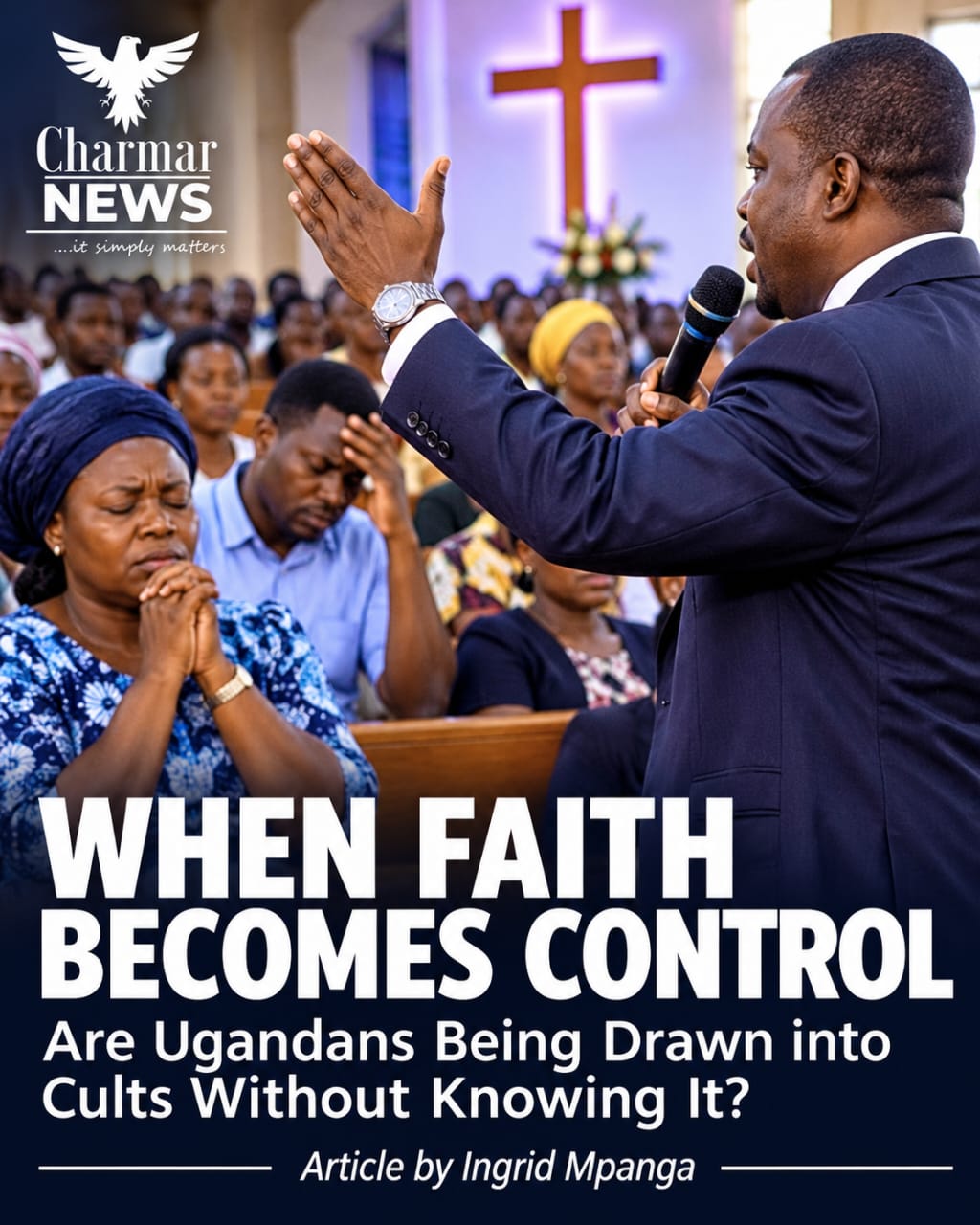
By Ingrid Mpanga
The warning signs of religious manipulation, unquestioning obedience and financial exploitation – and why families, communities and government must act before it is too late.
The sentencing of Kenyan preacher Paul Mackenzie to 200 years in prison following the deaths of 191 people in the Shakahola tragedy should be a sobering wake-up call for Uganda.
It demonstrates how religious influence, when manipulated by an individual with unchecked authority, can gradually turn into a dangerous system of control, with devastating consequences for followers and society.
But Uganda does not have to look across the border to understand the dangers. We have our own painful history in the 2000 Kanungu tragedy, where hundreds of people died in a religious movement associated with the Movement for the Restoration of the Ten Commandments of God.
More than two decades later, the lessons remain relevant. We should be asking ourselves whether we have developed sufficient safeguards to recognise and confront the warning signs before another tragedy unfolds.
Perhaps the most important lesson is that people do not necessarily wake up one morning and decide to join a cult. In many cases, the process is gradual. It begins with trust, promises of spiritual transformation, extraordinary claims and the belief that one has found a spiritual leader with answers to life’s most difficult questions. Before long, independent thinking gives way to unquestioning obedience.
Uganda must pay attention to what is happening around us.
Consider a believer who is persuaded to buy particular brands of rice because they have supposedly been spiritually blessed, purchase holy water at extraordinary prices, or make financial sacrifices in exchange for promised miracles, wealth, healing or breakthroughs.
Consider someone who will unquestioningly follow teachings that have no credible biblical foundation simply because the preacher has declared them to be divine instructions.
At what point does religious devotion become manipulation?
We are a deeply religious society, and churches play an important role in providing spiritual guidance, social support and hope. However, increasingly, questions are being raised about religious establishments where followers appear to surrender not only their money but also their judgement, personal relationships and independence to individual preachers.
The concern is not that people give offerings, support their churches or practise their faith differently. It is when spiritual authority is used to suppress questions, demand unquestioning loyalty, extract wealth or persuade people to abandon their responsibilities and relationships. These are warning signs associated with high-control groups and cult-like behaviour.
One particularly troubling dimension is the economic contradiction. How does a preacher accumulate extraordinary personal wealth, drive expensive luxury vehicles and enjoy an extravagant lifestyle while members of the congregation struggle to meet basic household needs, sometimes giving away their savings, land and other possessions in the hope of receiving a miracle?
Personal wealth alone does not establish wrongdoing, but where financial demands are accompanied by secrecy, manipulation and a lack of accountability, legitimate questions must be asked.
The recent public outburst by social commentator Frank Gashumba about questionable practices among some religious leaders, and the public reaction that followed, should not simply be dismissed as another social media controversy.
It has opened up a conversation about the boundaries of religious authority and the vulnerability of believers. Government and religious institutions should pay attention to the concerns being raised.
The responsibility also rests with families, friends and colleagues. We must learn to recognise when someone close to us is becoming increasingly withdrawn, financially drained, hostile to anyone questioning their spiritual leader or willing to surrender everything they own to a preacher.
Rather than ridicule or condemn them, we should engage them with compassion, ask questions and help them retain their independence. Manipulation often thrives where people are isolated from those who might challenge it.
Government must strengthen oversight of religious organisations without undermining the constitutional freedom of worship.
Security agencies, local authorities and child protection institutions should respond to credible complaints, investigate allegations of fraud, coercion, abuse and harmful practices, and intervene where the law is being broken.
Religious organisations should also be encouraged to embrace transparent governance, accountable financial management and responsible leadership.
The lesson from Kenya is not to wait until lives are lost before asking questions. It is to recognise the warning signs, protect vulnerable people and establish checks and balances before religious influence becomes an instrument of control.
Faith should give people hope, not take away their freedom to think. A church should strengthen families, not separate them. And spiritual leadership should be measured not by the wealth accumulated by its leaders, but by the integrity of its service to humanity.
The question Uganda must confront is not whether people should be free to worship. They must. It is whether we are paying enough attention to those who, in the name of faith, are gradually losing their freedom to think, question and make decisions for themselves.