A Nation Under Scrutiny: Why international rghts groups are turning their focus to Uganda
The coalition alleges that authorities have increasingly relied on legislation, security agencies and military institutions to suppress dissent and consolidate political power.
A coalition of international and Ugandan civil society organisations has launched one of the strongest coordinated appeals yet to the international community over the state of civic freedoms in Uganda, calling for urgent diplomatic intervention amid what they describe as an escalating crackdown on civil society, journalists, political opponents and human rights defenders.
The appeal, spearheaded by the global civil society alliance CIVICUS and endorsed by 246 organisations, including 80 signatories who requested anonymity, has been addressed to the United Nations Human Rights Council, the African Commission on Human and Peoples’ Rights, the African Union Peace and Security Council, the East African Community, the UN Special Rapporteur on Human Rights Defenders and all UN member states.
The letter urges regional and international institutions to take what the organisations describe as decisive action to halt a deterioration in Uganda’s civic and political environment.
A Warning Ahead of a Critical Political Period
The signatories argue that Uganda is experiencing an accelerating contraction of civic space following the January 2026 general elections.
According to the letter, Uganda remains classified by the CIVICUS Monitor as a country where civic space is “Repressed,” a rating the organisation says reflects restrictions on freedoms of expression, association and peaceful assembly.
The coalition alleges that authorities have increasingly relied on legislation, security agencies and military institutions to suppress dissent and consolidate political power.
The organisations cite the suspension of several civil society organisations before the elections, a nationwide internet shutdown during the electoral period and the subsequent closure of media outlets as evidence of a broader pattern of restrictions on civic participation.
Military Influence Under Scrutiny
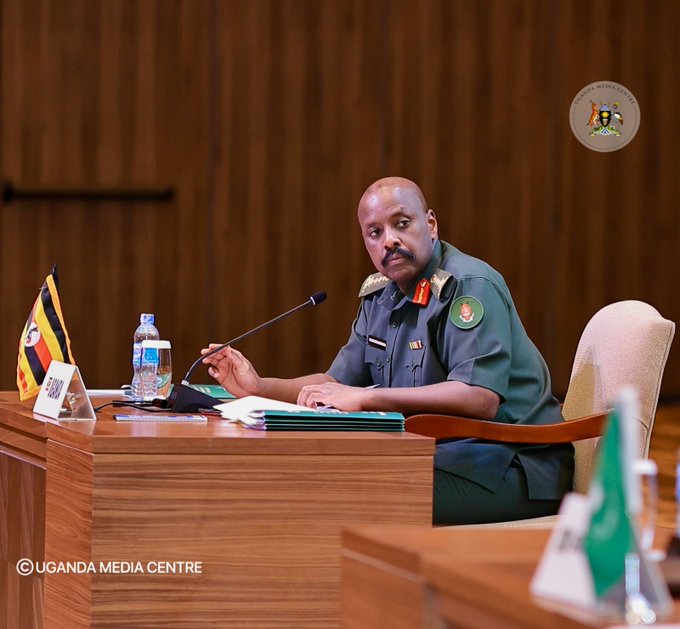
A significant portion of the appeal focuses on the role of the Chief of Defence Forces, Gen. Muhoozi Kainerugaba.
The organisations express concern over what they describe as an increasing overlap between military authority and civilian political affairs.
They reference public statements attributed to the military chief, his role in directing the closure of media organisations and broader concerns about the growing militarisation of civic space.
The coalition calls for independent investigations into allegations of extrajudicial killings, enforced disappearances, torture and unlawful detentions linked to security agencies, arguing that accountability should apply regardless of rank.
Human Rights Defenders and Journalists in Focus
Beyond concerns over military influence, the document paints a picture of increasing pressure on human rights defenders, environmental activists and journalists.
The letter references the arrests of civil society leaders, the continued detention of opposition politician Dr. Kizza Besigye and legal proceedings involving environmental defenders opposed to oil and infrastructure projects.
It also cites reports documenting attacks on journalists, the suspension of media outlets and legislation that the organisations argue has been used to restrict civic freedoms.
The coalition argues that these developments represent not isolated incidents but part of a wider pattern affecting democratic participation and media freedom.
A Call for International Pressure
The organisations are asking international and regional institutions to move beyond expressions of concern and adopt concrete measures.
Among their recommendations are public condemnation of alleged abuses, calls for the reinstatement of suspended civil society organisations and media houses, the release of individuals detained over their civic or political activities, support for independent international investigations and reviews of laws they say have been used to curtail fundamental freedoms.
They also urge development partners to link future security, trade and development cooperation to measurable improvements in Uganda’s human rights record.
The letter further calls on the African Union and the East African Community to convene high-level discussions on Uganda’s human rights situation, arguing that regional institutions should respond with the same urgency shown when they recognised the outcome of Uganda’s 2026 elections.
A Broader Debate on Governance
The appeal comes at a time when governance, security and civic freedoms remain subjects of intense debate in Uganda.
Government officials have consistently maintained that measures adopted by security agencies are intended to preserve national security, maintain public order and protect Uganda’s sovereignty.
Authorities have also defended recent legislation as necessary to regulate organisations operating within the country and to address emerging security challenges.
Human rights organisations, however, argue that such measures have narrowed the space for independent civil society, political competition and media operations.
The competing narratives reflect a broader tension confronting many African states: how to balance legitimate security concerns with constitutional guarantees of freedom of expression, peaceful assembly and political participation.
Opposition Welcomes International Pressure
The leader of the National Unity Platform (NUP), Robert Kyagulanyi Ssentamu, popularly known as Bobi Wine, welcomed the publication of the letter, describing it as an important demonstration of international solidarity with Ugandans who, he said, continue to face political repression.
In a statement shared on social media, Bobi Wine said the appeal accurately reflected concerns that opposition groups and civil society organisations have raised for years.
“The letter highlights arbitrary arrests, abductions, torture, attacks on journalists and Ugandan civil society organizations, electoral fraud, and the continued targeting of opposition leaders, lawyers, and human rights defenders,” he said.
He added that the appeal calls on international bodies, including the United Nations, the African Union, and the East African Community, to take urgent action in response to the situation in Uganda.
“It especially urges bodies including the UN, African Union, and East African Community to act now and rein in dictator Museveni and his depraved son Muhoozi,” Bobi Wine said.
Welcoming the support from the international community, the opposition leader urged regional and global institutions to translate expressions of concern into concrete action.
“We welcome this strong show of global solidarity and call on the international community to act decisively before the situation in Uganda deteriorates beyond a point of no return,” he said.
The government has consistently rejected allegations that it suppresses political freedoms, maintaining that its security measures are aimed at preserving public order, protecting national security and enforcing the law.
Government officials have also defended Uganda’s electoral processes and governance framework against criticism from opposition groups and some international organisations.
What Comes Next?
Whether the appeal translates into concrete international action remains uncertain.
While international bodies have previously issued statements on Uganda’s human rights situation, advocacy groups are now calling for stronger diplomatic engagement, independent investigations and sustained monitoring rather than periodic expressions of concern.
As Uganda approaches another critical phase in its political and governance cycle, the letter underscores the growing international attention being paid to the country’s civic environment and the role that regional and global institutions may play in shaping future accountability efforts.
For now, the appeal serves as both a warning and a test, of Uganda’s democratic institutions, the resilience of its civil society and the willingness of the international community to respond to allegations of shrinking civic space.