
Balaam orders local councils to open proceedings to media, publish budgets and tighten alcohol consumption, control betting
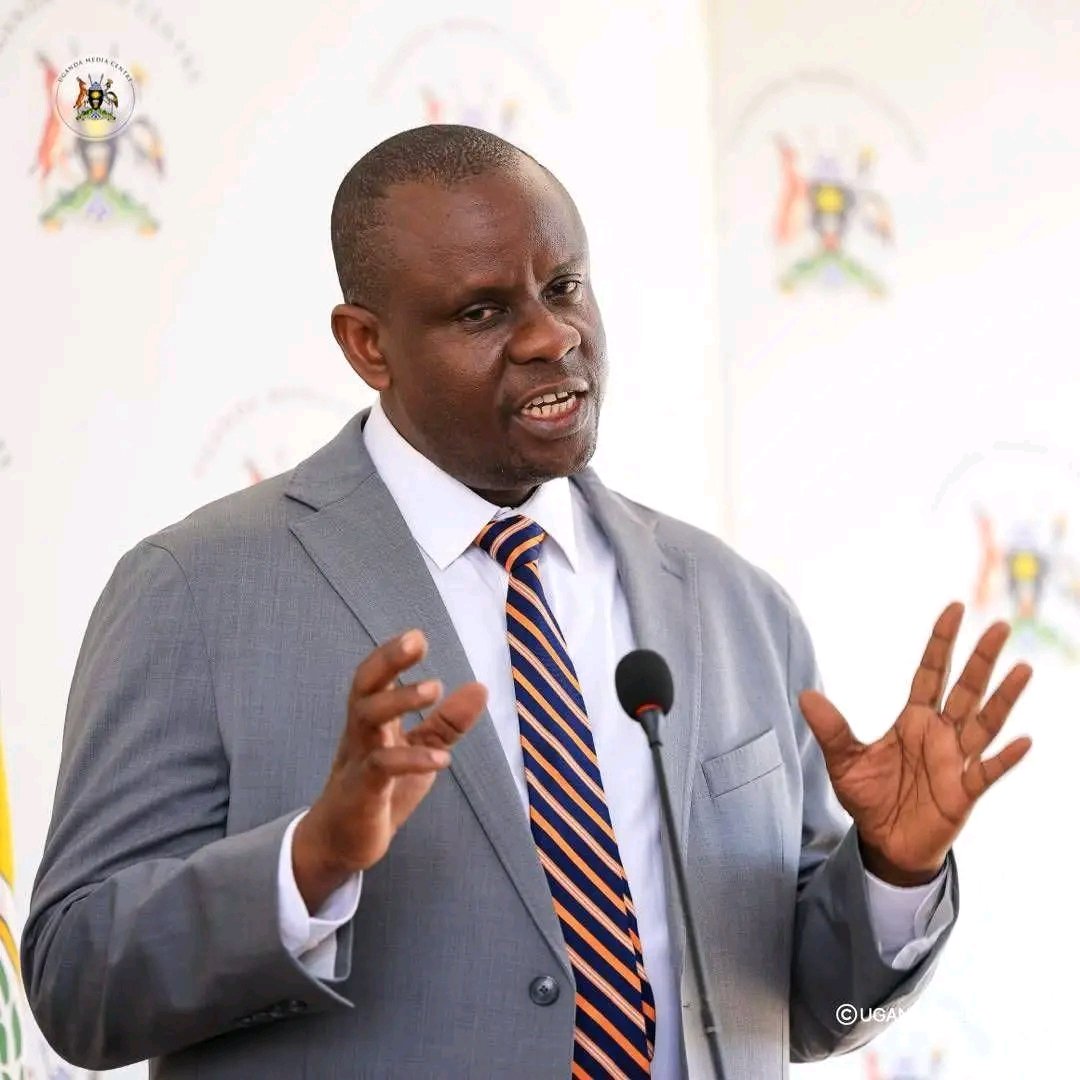
The Ministry of Local Government has directed local authorities across the country to open council proceedings to the media, publicly display approved budgets and intensify regulation of alcohol and betting operations in a new push to strengthen grassroots accountability and community productivity.
The directives, issued by Minister for Local Government Balaam Barugahara Ateenyi on August 11, 2026, were addressed to LC5 chairpersons, city mayors, division mayors and council speakers.
The seven-point directive seeks to place greater responsibility on local governments to make public business more transparent while tackling activities the ministry says contribute to idleness, family problems and crime.
Opening council business to public scrutiny
At the centre of the directive is a requirement for local councils to allow members of the press to attend council sittings.
The ministry says media access should mirror the practice in Parliament, allowing journalists to report on debates, decisions and the conduct of public business at the local level.
The move is intended to give citizens greater access to information about decisions affecting their communities and provide an additional layer of public scrutiny over local government operations.
For local councils, whose decisions directly affect services and development programmes in communities, increased media coverage could make council debates more visible and encourage elected leaders to account more openly for their decisions.
Budgets to go on public notice boards
The ministry has also ordered local governments to display their approved budgets on main council notice boards and other accessible public notice boards.
The objective is to allow residents to see what has been allocated to their respective areas and follow up on the implementation of planned projects and services.
The directive describes the approach as a means of promoting “people-led audits”, enabling communities to compare approved allocations with actual projects and services delivered.
This could give citizens a stronger role in monitoring local government spending and identifying gaps between budget commitments and implementation.
For local governments, the requirement represents a shift towards greater public disclosure of financial priorities at the grassroots.
Protecting children from alcohol
The directive also introduces a stronger emphasis on protecting people under 18 from access to alcohol.
Bar owners, shop owners, operators of Malwa joints and other alcohol-selling establishments that sell or supply alcohol to minors are to be arrested and prosecuted in accordance with the law.
Local authorities and security agencies have been instructed to enforce the requirement, while establishments that repeatedly violate it should face appropriate sanctions.
The ministry’s approach places both business operators and enforcement agencies under greater pressure to prevent minors from accessing alcohol.
Government targets early-morning drinking
Another major component is the directive against early-morning alcohol consumption.
Local leaders have been asked to take the lead in discouraging drinking during the early hours and work with security and enforcement teams to ensure that alcohol outlets do not operate in a manner that encourages people to spend their mornings drinking rather than working.
The ministry links excessive alcohol consumption to idleness, family problems and rising crime, arguing that controlling the practice is necessary to promote a more productive and responsible population.
Bars told to open after 3pm
Under the directive, bars, Malwa joints and other alcohol-selling establishments should not open before 3:00 p.m. on working days, subject to applicable national laws, licensing requirements and lawful local government regulations.
The ministry has further directed local authorities to enforce lawful operating-hour requirements.
Bars and alcohol outlets that repeatedly disregard such directives should be closed, with appropriate action taken against persistent offenders in accordance with the law.
The directive therefore places operating hours at the centre of local enforcement efforts, with councils and security agencies expected to work together to ensure compliance.
Betting operations also face scrutiny
The ministry has extended the regulatory push to betting companies, directing local governments to regulate their operating hours within their jurisdictions in accordance with existing laws and regulations.
The stated aim is to protect communities, particularly young people, from harmful practices associated with excessive betting.
The measure puts betting operations alongside alcohol outlets as activities that local authorities are expected to monitor more closely as part of efforts to promote community productivity.
Joint enforcement to drive implementation
Implementation of the directives will involve joint security teams, council enforcement officers and other relevant authorities.
Local government leaders have been instructed to take personal leadership in ensuring compliance and to report challenges encountered during implementation through the appropriate channels.
The ministry’s approach combines greater public access to government information with stronger regulation of activities taking place within communities.
A new accountability test for local governments
The directives place local councils at the centre of a broader governance and social discipline agenda.
By requiring councils to open their proceedings to the media and make budgets publicly accessible, the ministry is seeking to strengthen citizen oversight of local government decisions and spending.
At the same time, the restrictions on alcohol operating hours and the regulation of betting reflect an effort to address activities the ministry considers harmful to household welfare, productivity and community order.
The success of the measures, however, will ultimately depend on consistent enforcement by local authorities and security agencies, as well as citizens’ ability to use the newly available information to hold their leaders and service providers accountable.
The ministry has framed the initiative around a simple objective: putting citizens’ interests first, strengthening transparency and accountability, protecting children, encouraging productivity and restoring discipline in communities.