
Five reasons Trump’s Republicans suffered a crushing defeat in US midterm elections
The election also raises questions about the future direction of the Republican Party as it prepares for the 2028 presidential contest.
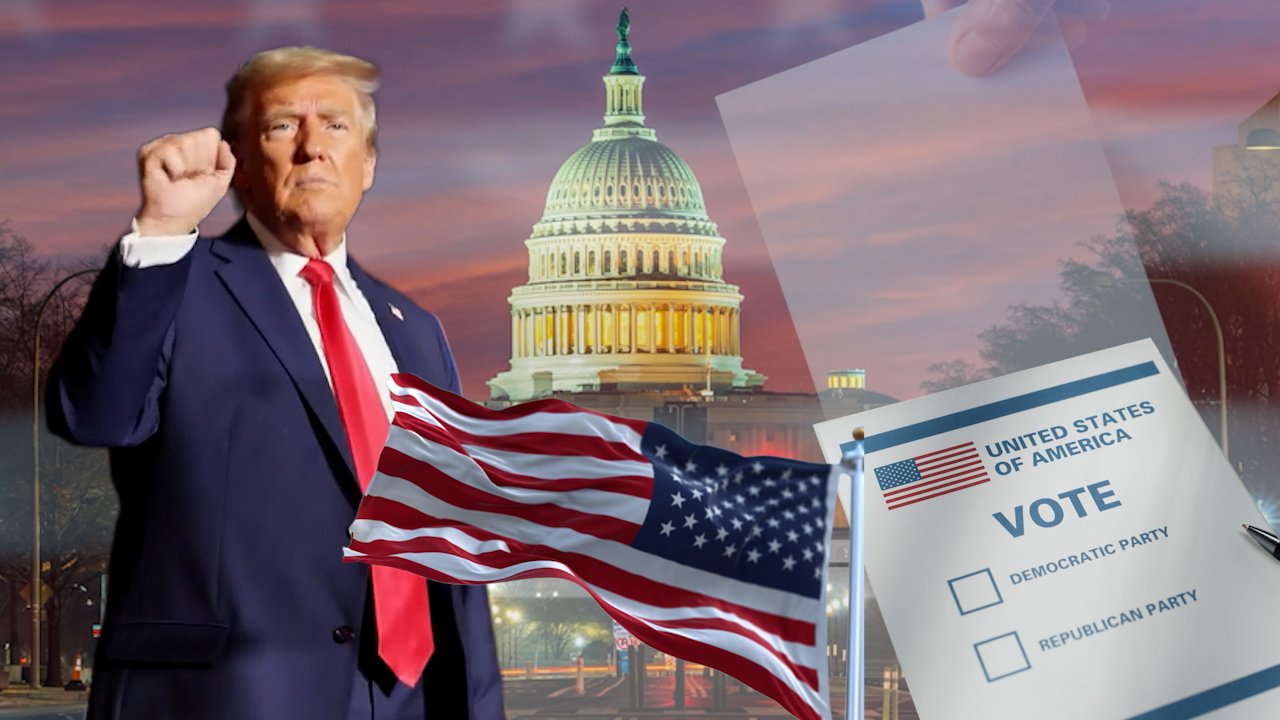
US President Donald Trump’s Republican Party has suffered a major electoral setback after Democrats swept to victory in the 2026 midterm elections, taking control of both chambers of Congress in a result widely viewed as a rejection of his leadership.
The scale of the defeat reflects growing voter frustration over the rising cost of living, the unpopular war with Iran, declining confidence in Trump and a stronger Democratic campaign, according to a BBC analysis by Jake Lapham.
Democrats made significant gains even in traditionally Republican strongholds, pointing to a shift in voter attitudes ahead of the next presidential election in 2028.
The BBC identifies five major factors behind the Republican losses.
1. Rising cost of living
Economic frustration was a major factor in the election, with Americans increasingly concerned about the rising prices of essential goods, fuel and energy.
Prices increased by 3.7 per cent in the year to September, driven largely by higher fuel and energy costs.
A voter in North Carolina told the BBC: “Gas prices, grocery prices, everything’s going up.”
The rising cost of living weakened Republican support, with some voters blaming Trump’s policies for their financial difficulties.
According to voter polling cited by the BBC, 79 per cent of respondents said inflation had caused their families moderate or severe financial hardship over the previous year.
2. Unpopular war with Iran
The US and Israel’s war with Iran also became a major political liability for Trump.
The conflict, which began in February, pushed fuel prices higher after Tehran effectively closed the Strait of Hormuz, a critical route for global oil and liquefied natural gas supplies.
The war also contradicted Trump’s America First campaign message, in which he had promised to avoid new wars.
A voter poll found that 63 per cent of respondents believed the US had made the wrong decision by taking military action against Iran, while 74 per cent said the conflict was an important or crucial factor in their congressional vote.
Trump acknowledged the morning after the election that the war had contributed to his party’s defeat, although he defended the military intervention as necessary to prevent Iran from acquiring nuclear weapons.
3. A stronger Democratic campaign
Democrats benefited from disciplined campaigns that focused on issues affecting ordinary Americans, particularly the cost of living, healthcare affordability and corruption.
Their candidates also made significant inroads in traditionally Republican states by presenting messages that resonated with voters beyond their usual support base.
Democratic Senator Jon Ossoff, who secured re-election in Georgia, made affordability and corruption central campaign issues.
In Michigan, Abdul El-Sayed focused on political financing and putting more money in people’s pockets.
Even Trump acknowledged the Democrats’ performance, telling Fox News they had done a good job.
By contrast, some Republican candidates were criticised for running poorly focused campaigns that failed to address voters’ immediate concerns.
4. Trump’s declining popularity
Trump’s personal unpopularity also weighed heavily on Republican candidates.
His approval ratings had fallen even among Republican voters, making several states that supported him in the 2024 presidential election vulnerable to Democratic challenges.
The president attempted to mobilise his supporters by asking them to imagine he was on the ballot.
However, his prominence in the campaigns appears to have worked against his party, with voters increasingly associating Republicans with his controversial policies and leadership.
The BBC notes that many Americans wanted Trump to concentrate more on the rising cost of living rather than other priorities.
His decision to make himself the central figure in the Republican campaign proved risky as dissatisfaction with his administration grew.
5. Hispanic and Black voters shift towards Democrats
Democrats also benefited from a reversal in voting patterns among Hispanic and Black voters, some of whom had shifted towards Republicans in the 2024 presidential election.
Democrats won all three House races in predominantly Hispanic congressional districts along the Texas-Mexico border.
An analysis by The New York Times found that majority-Hispanic counties shifted by more than 22 percentage points against Republican Senate candidates compared with the 2024 presidential election.
The shift came amid growing dissatisfaction with immigration enforcement. A Pew Research Center survey cited by the BBC found that 56 per cent of Americans had an unfavourable opinion of Immigration and Customs Enforcement (ICE).
Predominantly Black counties also recorded significant movement towards Democratic candidates in Senate contests.
The results point to a changing political landscape, with Democrats making gains among demographic groups that helped Trump secure victory two years earlier.
Implications for Trump
The Democratic takeover of Congress presents a significant political challenge for Trump during the remainder of his second term.
With control of both the House of Representatives and Senate, Democrats will have greater power to scrutinise his administration, block legislative priorities and challenge his nominees.
The election also raises questions about the future direction of the Republican Party as it prepares for the 2028 presidential contest.
Source: BBC News