Government moves to tackle cost and misconduct in Foot-and-Mouth disease vaccination
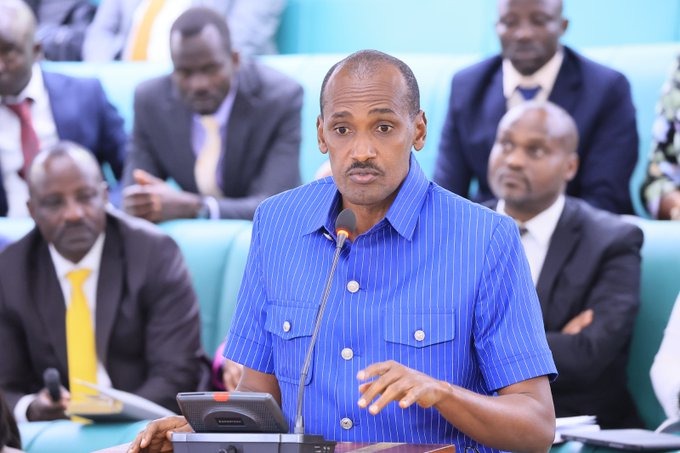
Agriculture Minister Frank Tumwebaze told Parliament during Prime Minister’s Time that the government had received reports of some veterinary officers collecting money directly from farmers, contrary to the approved payment system.
The government has announced measures to improve the implementation of Uganda’s Foot-and-Mouth Disease (FMD) vaccination programme amid concerns over slow uptake, high costs, and allegations of veterinary officers demanding illegal cash payments from livestock farmers.
Agriculture Minister Frank Tumwebaze told Parliament during Prime Minister’s Time that the government had received reports of some veterinary officers collecting money directly from farmers, contrary to the approved payment system.
“Some vets want to get the money by cash and do the vaccination. That’s illegal,” Tumwebaze told legislators.
The Minister explained that payments for FMD vaccination services are supposed to be made through online platforms, warning veterinary officers against handling cash transactions with farmers.
He said cases involving officers accused of demanding cash payments had been reported and were being investigated.
The concerns have raised questions about how effectively the new vaccination arrangement is being implemented, especially in rural areas where many livestock keepers may have limited access to digital payment services and could be vulnerable to unofficial charges, Farmers raise concerns over vaccination costs
Under the current programme, cattle owners pay Shs8,000 for FMD vaccination, while goat and sheep owners pay Shs4,000.
Tumwebaze said cattle are required to receive the vaccine twice a year to maintain protection against the disease.
However, the cost remains a concern for some farmers, especially those who keep large herds and depend heavily on livestock for income.
FMD is a highly contagious animal disease that affects cattle and other cloven-hoofed animals. It can cause major economic losses through reduced productivity, restrictions on animal movement, and disruption of livestock trade.
The government faces the challenge of ensuring regular vaccination while keeping the service affordable for farmers.
Uganda-Egypt vaccine factory is expected to reduce prices
Tumwebaze said Uganda is working with Egypt to establish a vaccine manufacturing factory in the country, which is expected to lower the cost of vaccines once operational.
“When the factory is here, the price will drop substantially,” he said.
The planned facility is expected to reduce reliance on imported vaccines and improve the availability and affordability of veterinary medicines.
The government also believes local production will strengthen Uganda’s ability to respond quickly to disease outbreaks and ensure a more reliable vaccine supply.
For the livestock sector, improved disease control could support household incomes, food security, and access to regional markets, Government to intensify awareness campaigns
The Agriculture Minister acknowledged that the uptake of the new vaccination arrangement has been slow, partly due to limited awareness among farmers.
He said the government would increase sensitisation efforts to educate livestock keepers about vaccination requirements, costs, and payment procedures, “We shall do it in all the local languages,” Tumwebaze said.
The awareness campaign will target farmers across the country, particularly those in rural areas who may face challenges accessing information about the programme.
Government hopes that improved awareness will reduce cases where farmers are exploited by individuals who provide false information or demand unauthorized payments, Digital payment system faces access challenges
The shift to online payments is intended to improve transparency and accountability by creating clear records of transactions and reducing opportunities for corruption.
However, some farmers may face difficulties due to limited access to digital payment platforms, smartphones, or reliable internet connectivity.
The success of the system will, therefore, depend on ensuring that livestock keepers can easily access approved payment channels.
Tumwebaze’s warning against cash collection signals Government’s intention to strengthen monitoring and accountability within the vaccination process, Protecting Uganda’s livestock sector
Uganda’s livestock industry supports millions of households through income generation, food supply, and trade.
An outbreak of FMD can affect not only farmers but also livestock traders, transporters, processors, and other businesses linked to the value chain.
The government says effective vaccination is therefore both a health measure for animals and an economic intervention.
As Uganda works to improve vaccination coverage, authorities are expected to focus on reducing costs, expanding awareness, and ensuring accountability among veterinary officers.
The success of the programme will depend on farmers having access to affordable vaccines, reliable payment systems, and clear information on official procedures.
The government maintains that controlling Foot-and-Mouth disease requires more than vaccines alone, but also transparency, public awareness, and strong oversight throughout the vaccination chain.