Halal Certification: Uganda seeks bigger share of global $7.3tn market
If successfully implemented, the initiative could position Uganda to capture a larger share of the global Halal market while strengthening quality standards across its manufacturing and services sectors.
Uganda is moving to establish a credible and internationally recognised Halal certification ecosystem as the country seeks to tap into the rapidly expanding global Halal economy and open new markets for locally produced goods and services.
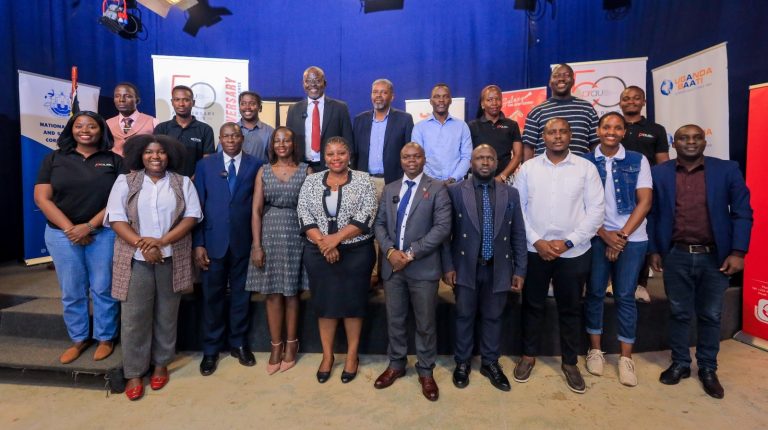
The Uganda National Bureau of Standards (UNBS) on Friday convened key stakeholders for a national briefing on the Halal Certification Scheme and Ecosystem Assessment, marking a major step towards developing a national framework for Halal certification.
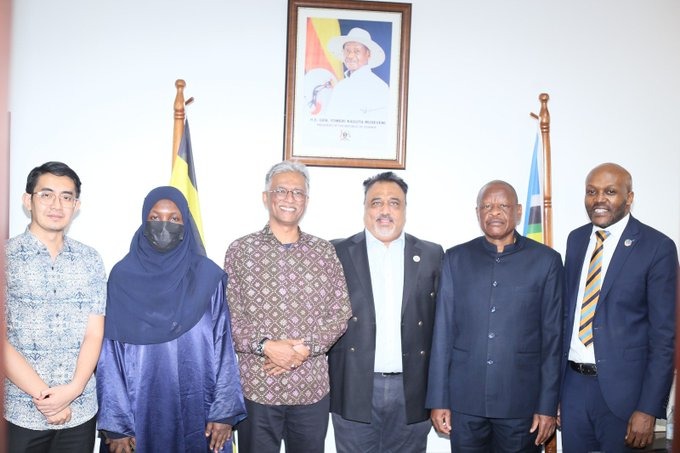
The initiative is being undertaken in collaboration with Malaysia’s Halal Development Corporation (HDC) and is aimed at assessing Uganda’s existing Halal certification capabilities, identifying gaps and strengthening systems needed to support access to international markets.
The assessment comes at a time when demand for Halal-certified products and services is growing globally, creating opportunities for countries with credible certification systems to increase exports and attract investment.
Uganda targets growing Halal market
UNBS said the development of a national Halal certification scheme could unlock opportunities across several sectors, including agriculture, food processing, manufacturing, cosmetics, pharmaceuticals and hospitality.
Halal certification provides assurance that products and processes comply with Islamic requirements, making certified goods more accessible to consumers and businesses in predominantly Muslim markets as well as international supply chains that require recognised certification.
For Uganda, the initiative could provide an avenue for local producers to add value to agricultural commodities and access markets that may otherwise remain difficult to penetrate.
The Halal economy extends beyond food to include pharmaceuticals, cosmetics, tourism, logistics, finance and other consumer and business services.
UNBS said the assessment will build on Uganda’s existing institutions, standards and investments while drawing on Malaysia’s experience in developing a globally recognised Halal ecosystem.
Malaysia offers a model
Malaysia is being used as a key reference point because of its long experience in developing Halal standards, certification and supporting infrastructure.
Officials from HDC, operating under Malaysia’s Ministry of Investment, Trade and Industry, were invited to Uganda to conduct a pre-assessment of the country’s Halal ecosystem and infrastructure.
The Malaysian experts bring more than five decades of experience in developing a Halal ecosystem that has gained international recognition.
The collaboration is expected to help Uganda identify institutional, technical and regulatory gaps while developing a system suited to the country’s economic and production environment.
Rather than creating a parallel system from scratch, the assessment will examine how Uganda can strengthen and integrate existing institutions and investments into a more coordinated national framework.
Government backs certification drive
UNBS Executive Director Eng. James N. Kasigwa has engaged senior government and diplomatic leaders on the initiative, securing support for the development of the national Halal certification framework.
Among those supporting the initiative are Hon. Sanjay Tanna, Minister of Trade, Industry and Cooperatives; Hon. Gen. Wilson Mbasu Mbadi, Minister of State for Trade; and Rt. Hon. Amama Mbabazi, Special Envoy of the President for the Great Lakes Region, South Sudan and Ethiopia.
Uganda’s diplomatic missions have also played a role in facilitating the collaboration.
UNBS said the initiative has received support from Uganda’s Ambassadors to Malaysia and Sudan, H.E. Dr Betty Oyella Bigombe and H.E. Dr Rashid Yahya Ssemuddu, respectively.
Their involvement highlights the growing importance of international partnerships in developing standards and certification systems that can facilitate trade.
Opening doors for exporters
For Ugandan businesses, a recognised national Halal certification system could help reduce barriers associated with accessing international markets.
Currently, businesses seeking to serve Halal markets may face challenges related to certification requirements, market recognition and the credibility of local certification arrangements.
A harmonised and internationally credible system could provide exporters with greater certainty while improving confidence among international buyers.
Agriculture and food processing are likely to be among the sectors that could benefit most, given Uganda’s large agricultural base and potential for value addition.
However, opportunities could extend to pharmaceutical manufacturers, cosmetics producers, hotels, restaurants and other businesses targeting Halal-conscious consumers.
The initiative could also encourage manufacturers to adopt higher standards in production, traceability, hygiene and quality assurance.
Linking Halal certification to economic transformation
UNBS estimates the global Halal economy at US$7.3 trillion, making it a potentially significant market for countries seeking to diversify exports and increase value addition.
The standards body views the proposed National Halal Certification Scheme as more than a certification initiative, positioning it as part of Uganda’s broader industrialisation and export development agenda.
UNBS believes a credible system could help Ugandan enterprises improve competitiveness, access new markets and contribute to the country’s ambition of building a US$500 billion economy by 2040.
The initiative also aligns with government efforts to promote domestic value addition rather than exporting raw agricultural and mineral commodities.
By helping producers meet recognised standards, Halal certification could provide an additional market incentive for businesses to invest in processing and quality improvement.
Building an ecosystem, not just a certificate
The assessment will examine Uganda’s wider Halal ecosystem, including institutional capacity, infrastructure, standards, certification processes and market requirements.
This approach recognises that successful Halal trade requires more than issuing certificates. It depends on credible standards, competent laboratories, qualified auditors, traceability systems, industry awareness and international recognition.
The collaboration with HDC is therefore expected to provide Uganda with lessons on how these components can be developed into a coordinated ecosystem.
For UNBS, the immediate priority is to understand the country’s current position, identify gaps and develop a roadmap for strengthening the system.
If successfully implemented, the initiative could position Uganda to capture a larger share of the global Halal market while strengthening quality standards across its manufacturing and services sectors.
The national briefing therefore marks the beginning of a potentially significant economic opportunity, one that could connect Ugandan producers to new consumers, encourage value addition and make standards and certification a stronger tool for export-led growth.