
Kampala power grid upgrade nears completion as government moves to boost electricity reliability
With completion now in its final stages, the project is expected to enhance energy security, support private sector expansion and reinforce Uganda's ambition of using affordable and reliable electricity as a catalyst for industrialisation and long-term economic transformation.
Uganda’s electricity network is set for a major reliability boost after the government announced that the Kampala Metropolitan Transmission System Improvement Project has reached 91 percent completion, with works expected to conclude by 8 August 2026.
The project, funded by the Japan International Cooperation Agency (JICA), is designed to strengthen the transmission network serving the Greater Kampala Metropolitan Area, improve power reliability and support the growing demand for electricity driven by industrialisation, urbanisation and increased household connections.
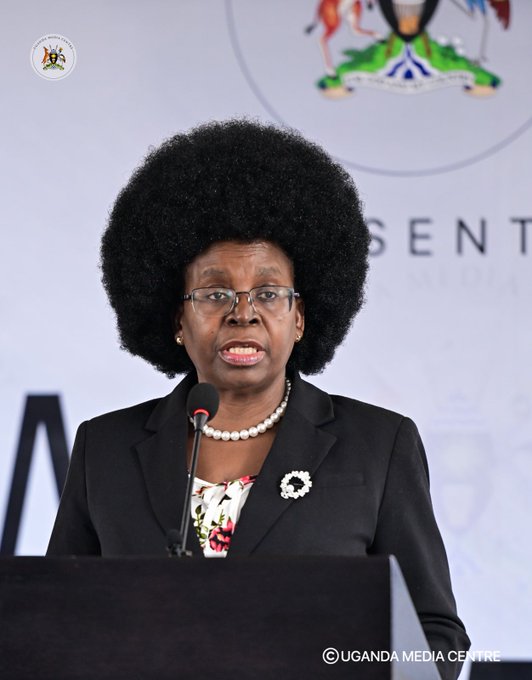
Speaking at the Uganda Media Centre on Wednesday, the minister for energy, Dr. Monica Musenero, said the project involves the construction of new substations at Maya (Buloba) and Mukono, upgrades to the Kawaala, Mutundwe and Bujagali substations, reinforcement of 132kV transmission lines, and the deployment of a mobile substation at Namungoona.
The infrastructure upgrades are expected to significantly increase the capacity and resilience of Kampala’s electricity network, reducing system bottlenecks and enhancing the quality of power supplied to homes, businesses and industries.
Planned Outages Necessary for Long-Term Reliability
Dr. Musenero explained that the ongoing rehabilitation and expansion of the transmission and distribution network are the primary reasons some parts of the country have experienced, and will continue to experience, planned power outages until the project is completed.
She stressed that the interruptions are temporary and are being undertaken to safeguard both workers and the public during the installation and commissioning of critical infrastructure.
“Our challenge today is the ongoing upgrading, rehabilitation and expansion of the transmission and distribution infrastructure required to deliver that power reliably to every consumer,” she said.
The Minister noted that while the outages have inconvenienced consumers, they are essential to building a stronger electricity system capable of supporting Uganda’s rapidly expanding economy.
Rising Demand Driving Grid Expansion
According to Dr. Musenero, Uganda’s electricity demand continues to rise steadily, reflecting the country’s accelerating industrial growth, increasing household electrification and government programmes promoting the productive use of electricity.
“This growth reflects expanding industrial activity, increased household connections and the Government’s continued investments in productive use of electricity,” she said.
She added that the rapid increase in electricity consumption has placed significant pressure on sections of the existing transmission network, making reinforcement and expansion unavoidable.
Energy experts have long argued that while Uganda has invested heavily in electricity generation over the past decade, continued investment in transmission and distribution infrastructure is equally critical to ensure generated power reaches consumers efficiently and reliably.
Supporting Industrialisation and Economic Growth
The Kampala Metropolitan Transmission System Improvement Project forms part of the government’s broader strategy to modernise Uganda’s electricity infrastructure and create a reliable power supply capable of supporting industrial parks, manufacturing, commercial centres and emerging digital industries.
A stronger transmission network is expected to reduce technical losses, minimise unplanned outages and improve power quality for businesses, lowering operational costs and increasing productivity.
For manufacturers and investors, reliable electricity remains one of the most important factors influencing investment decisions and industrial competitiveness.
Once completed, the upgraded network will provide additional capacity to meet rising electricity demand in the Greater Kampala Metropolitan Area while strengthening the national grid against future growth in consumption.
With completion now in its final stages, the project is expected to enhance energy security, support private sector expansion and reinforce Uganda’s ambition of using affordable and reliable electricity as a catalyst for industrialisation and long-term economic transformation.