Kampala takes centre stage as debut Bold Fashion Week celebrates Africa’s creative future
Bold in Africa co-founder Nunu Mugyenyi said the platform was created to give African designers greater visibility while strengthening the relationship between fashion talent and the people who buy and wear their work.
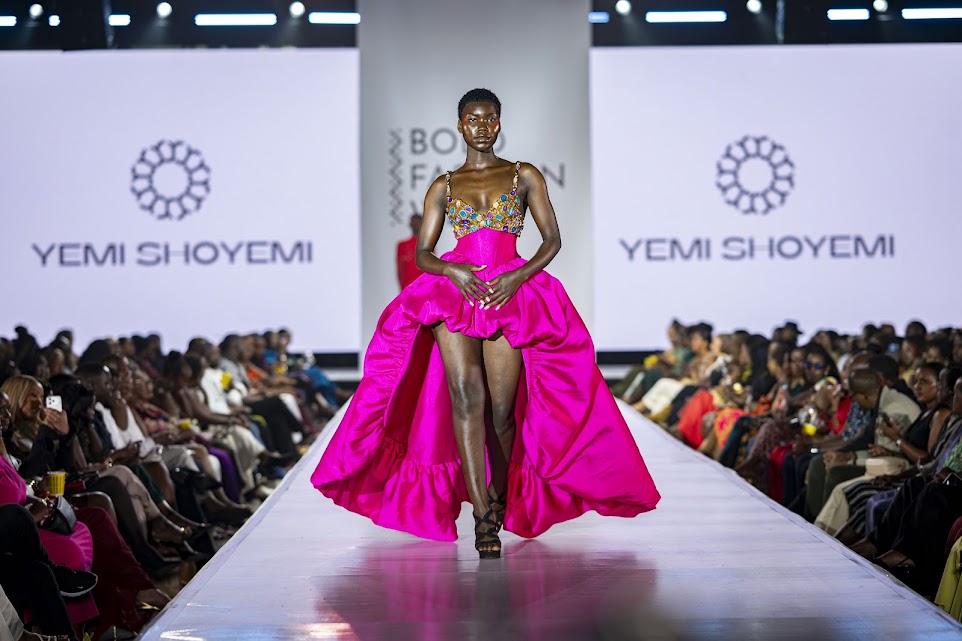
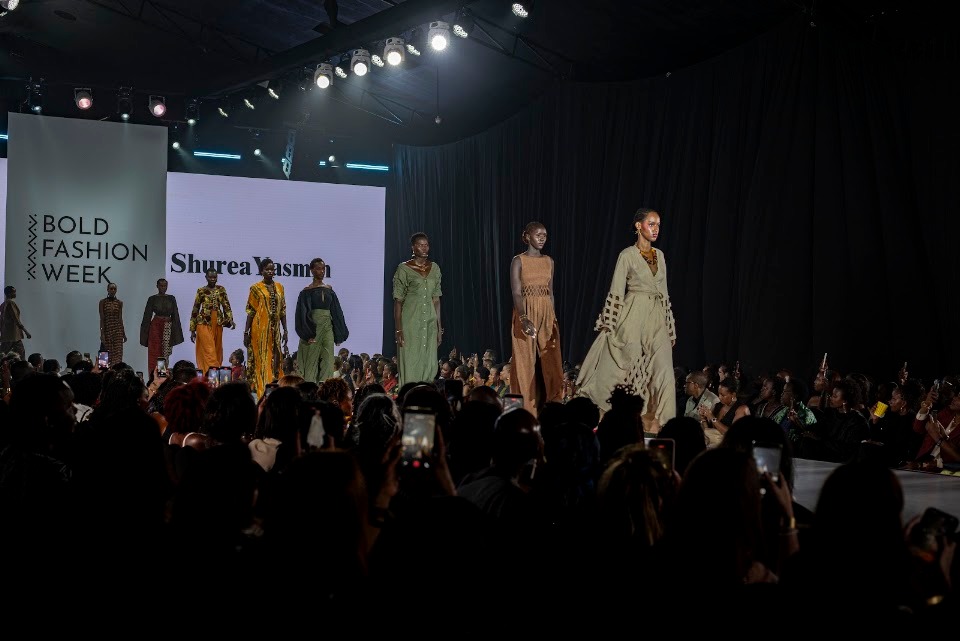
For three days, Kampala became a meeting point for fashion, culture and commerce as designers, models, creatives and fashion lovers gathered for the inaugural Bold Fashion Week, turning the city’s creative energy into a vibrant celebration of African design.
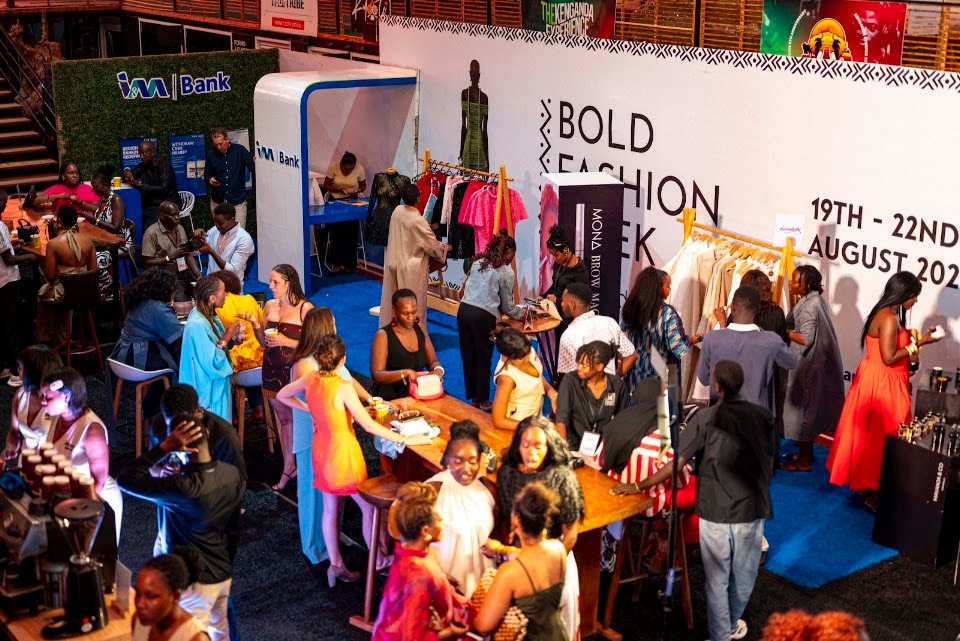
Held from August 20 to 22, 2026, at MoTIV Bugolobi, the event brought together 320 guests, designers and media representatives for runway presentations, creative exchange and business connections. A public market day followed on August 23, extending the experience from the catwalk to the consumer.
Organised by Bold in Africa and Malembe Lifestyle, the first edition marked another milestone in Bold in Africa’s 14-year journey of developing and championing African design talent.
At its heart, the fashion week was about visibility, not simply putting African designers on a runway, but creating meaningful connections between designers, consumers, industry players and international audiences.
Bold in Africa co-founder Nunu Mugyenyi said the platform was created to give African designers greater visibility while strengthening the relationship between fashion talent and the people who buy and wear their work.
The inaugural event offered evidence that Kampala can host a fashion platform capable of attracting regional and international attention, while giving local designers a space to present their creativity and commercial ambitions.
A runway of African identity
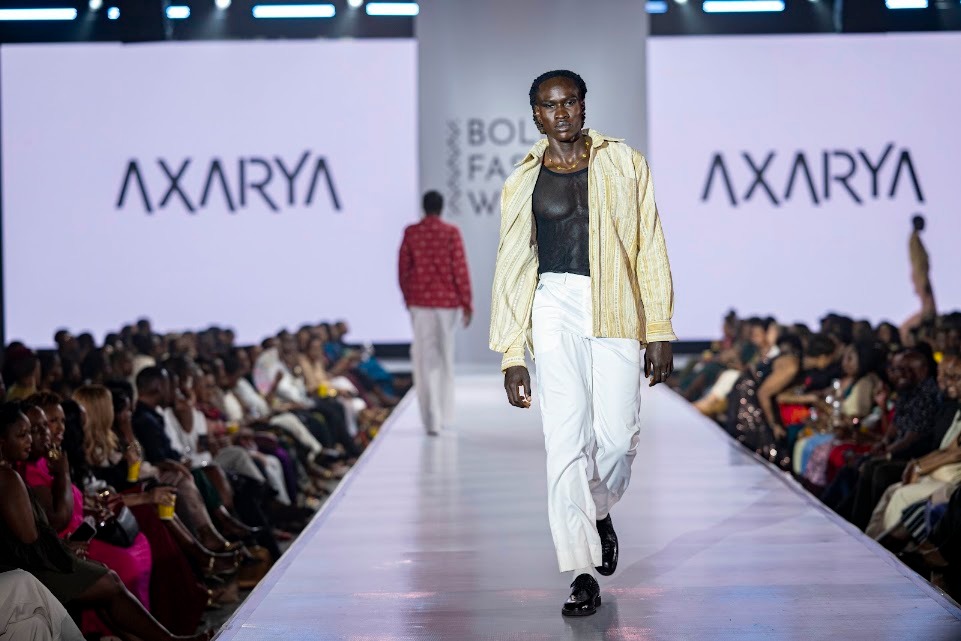
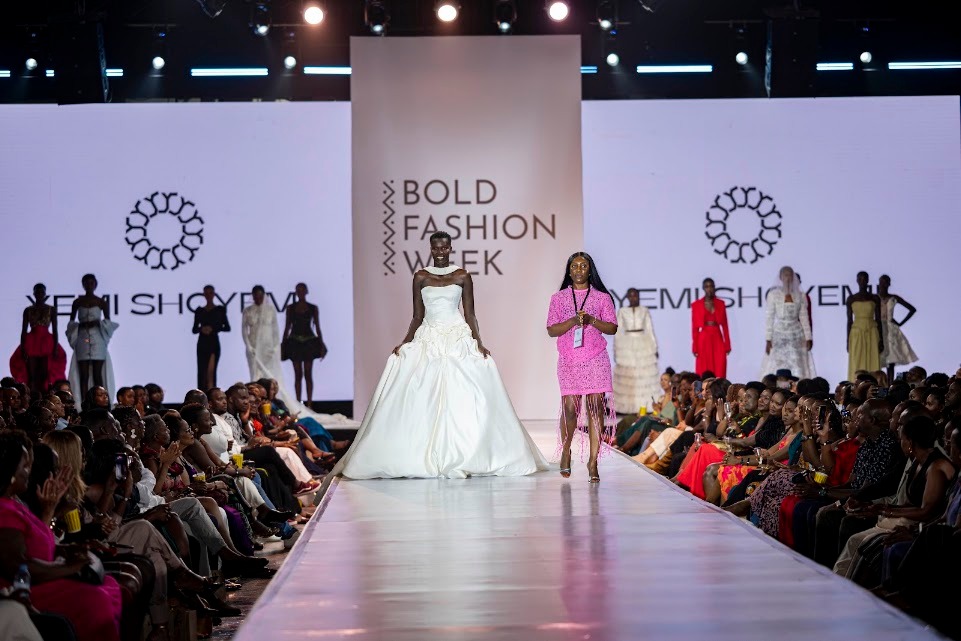
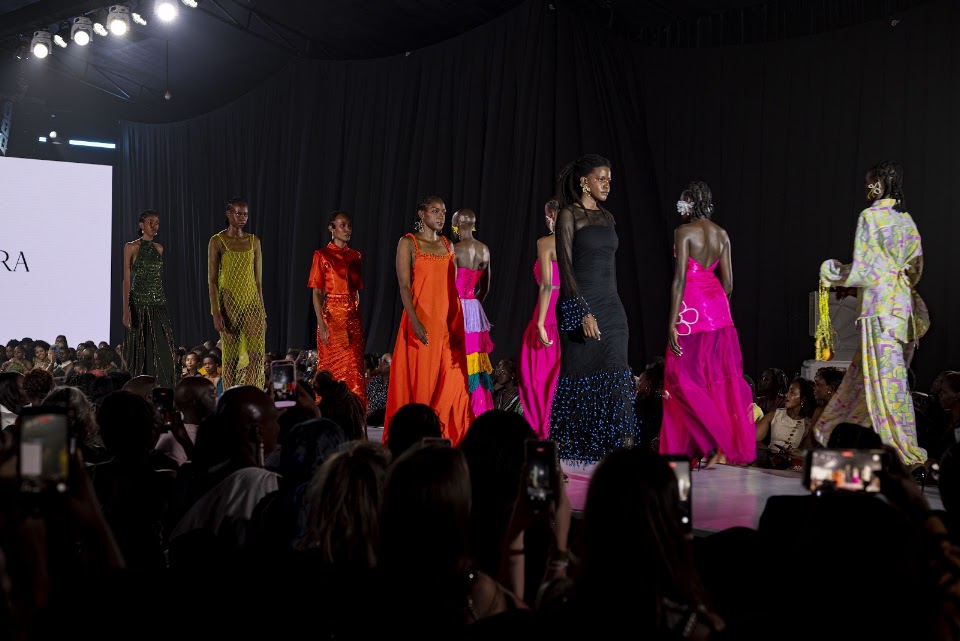
The runway brought together 10 designers from Uganda and Nigeria, offering a colourful representation of contemporary African fashion.
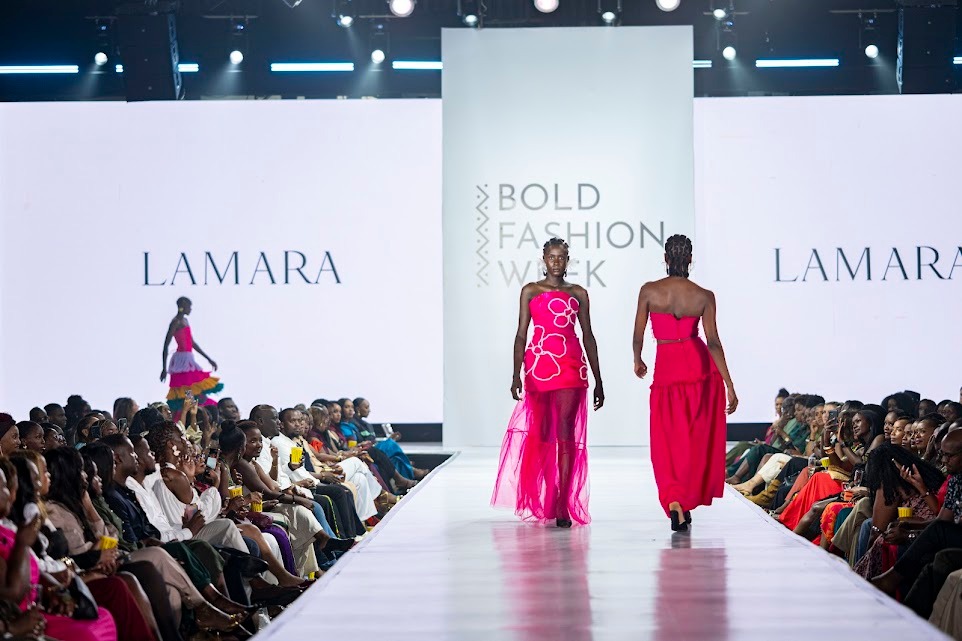
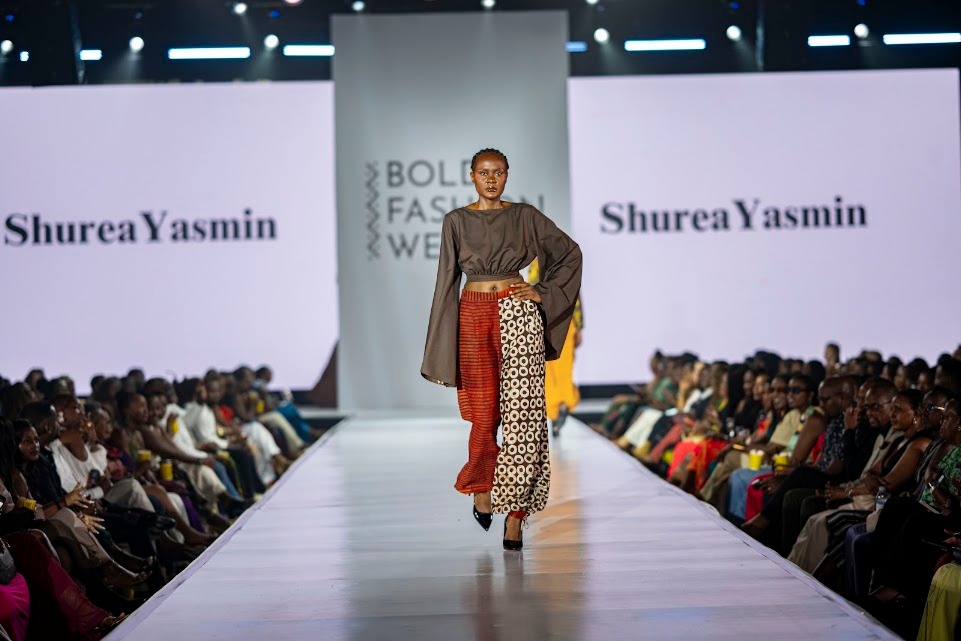
Ugandan labels Axarya, Discreet Leather, Good Fibre, Joan Jade, Kifahari, Kwesh, Lamara, Ofumbi and Shurea Yasmin shared the stage with Nigerian designer Yemi Shoyemi.
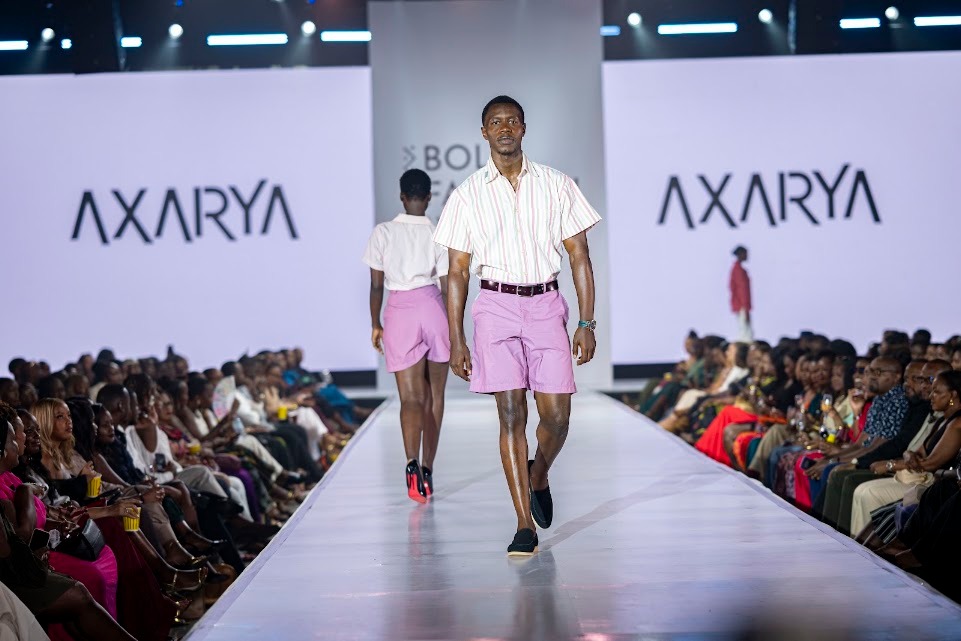
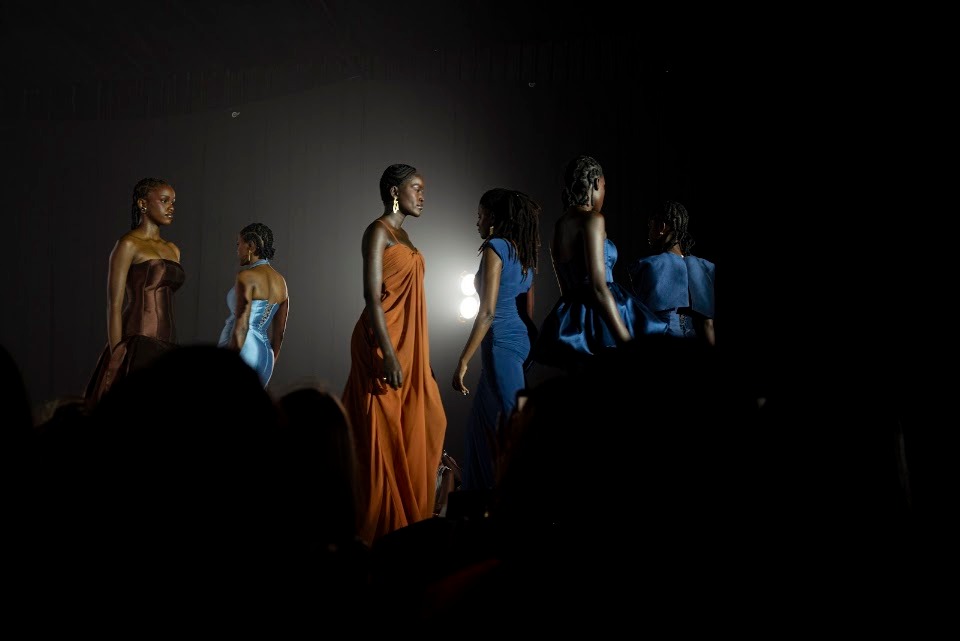
Their collections moved across different interpretations of African identity, heritage and modernity. Traditional influences met contemporary silhouettes, craftsmanship intersected with innovation, and individual design philosophies revealed the breadth of Africa’s fashion landscape.
Rather than presenting a single definition of what African fashion should look like, the designers demonstrated that the continent’s creative identity is diverse, evolving and increasingly confident.
For Kampala’s fashion community, the runway also provided something more valuable than spectacle: an opportunity to see African brands positioned within a professional fashion-week environment.
From catwalk to commerce
One of the event’s defining features was its decision to take the fashion experience beyond the runway.
On August 23, the Kampala Artisan Market partnered with Bold Fashion Week for a public market day, allowing consumers to meet participating designers, experience their collections and purchase directly from the brands.
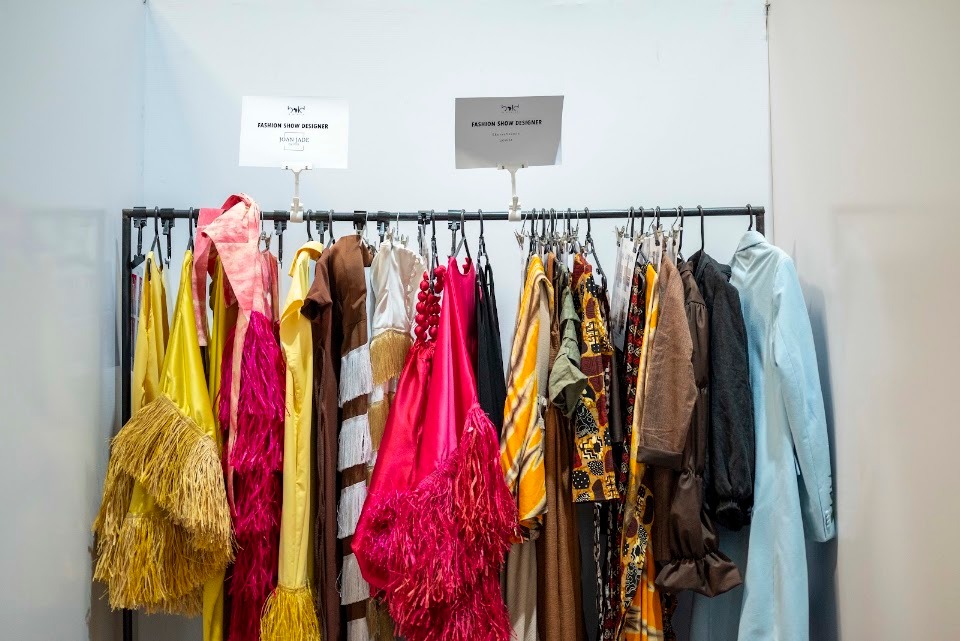
That transition, from watching fashion to buying it, helped underline the commercial purpose behind the platform.
“It was great to see the designers on the runway and then be able to shop their collections the next day,” one attendee said.
The model offers an important lesson for Africa’s growing fashion industry: visibility matters, but sustainable fashion businesses ultimately need customers, markets and opportunities to convert creativity into income.
A growing creative ecosystem
The event also demonstrated the increasingly interconnected nature of Kampala’s creative economy.
Media organisations including New Vision, Daily Monitor, The Observer, NTV Uganda, NBS Television, Sanyu FM, KFM Radio, The CEO Magazine, Satisfashion UG, Pulse Uganda, Sqoop, PML Daily and Matooke Republic provided coverage, alongside international fashion platforms and correspondents including Omiren Styles and Fab Style from the UK.
Behind the scenes, several creative businesses helped bring the runway to life.
Joram Model Management contributed to show production, model management and backstage coordination, while Mona Faces and Hair by Zziwa supported the beauty and hair direction.
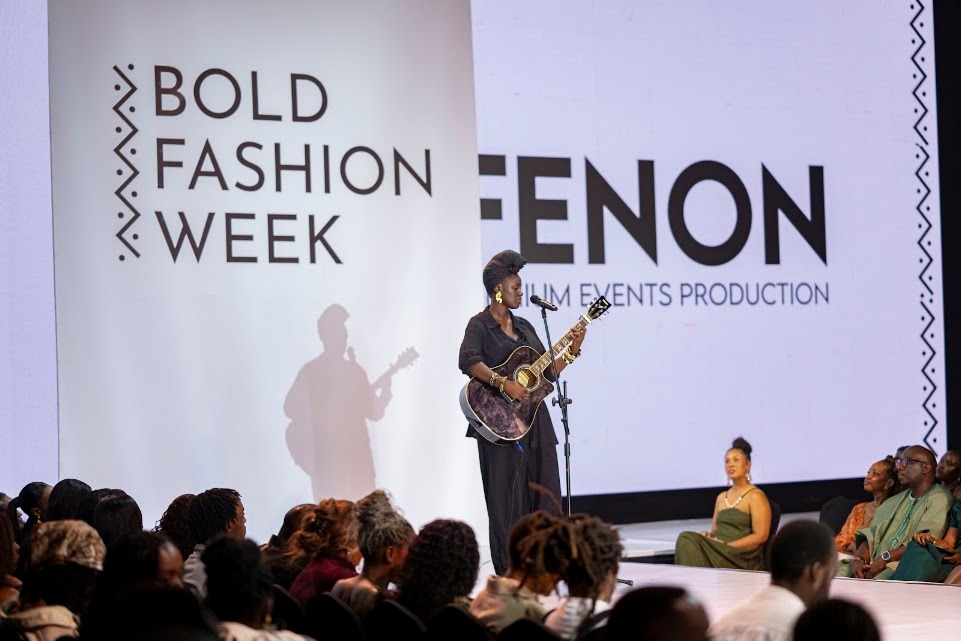
The event was supported by Johnnie Walker Uganda, I&M Bank Uganda, British Council Uganda, Agile Media and Fenon, with Drynq Coffee serving as a collaborator.
Together, the partnerships reflected the wider ecosystem required to stage a modern fashion event—from finance and media to production, modelling, beauty, hospitality and consumer engagement.
Building African brands
Founded in 2012, Bold in Africa has positioned itself as a retail incubator and fashion platform focused on helping emerging African labels develop into sustainable and globally competitive businesses.
Its work centres on mentorship, retail opportunities and market access—areas that remain critical for designers who may have creative talent but limited access to consumers, investment and international markets.
Bold Fashion Week builds on that mission by bringing the different parts of the fashion value chain into the same space.
For designers, it offers exposure. For consumers, it provides access to African-made fashion. For media, it creates stories and new talent to discover. For businesses, it opens opportunities to engage with one of the continent’s most dynamic creative sectors.
Kampala’s fashion moment
The significance of Bold Fashion Week may ultimately extend beyond the three days of runway shows.
As Kampala’s creative industries continue to expand, events that combine culture with commerce can help transform the city’s reputation from a consumer market into a platform where creative businesses are built, showcased and connected to wider audiences.
The inaugural edition of Bold Fashion Week offered a glimpse of that possibility.
With Ugandan and Nigerian designers sharing a platform, consumers moving from the runway to the marketplace, and local and international media documenting the occasion, Kampala was not merely hosting a fashion show.
It was making a statement about its place in Africa’s evolving creative economy.
If Bold Fashion Week continues to grow, its greatest legacy may be helping establish Kampala as a city where African fashion is not only celebrated, but designed, marketed, sold and taken to the world.