KCCA, Buganda deepen partnership as Kampala’s development challenges mount
The commitment emerged during a meeting between KCCA political and technical leaders and Buganda Kingdom officials at Bulange, Mengo, where the two sides discussed ways of strengthening collaboration to address Kampala’s growing urban challenges.
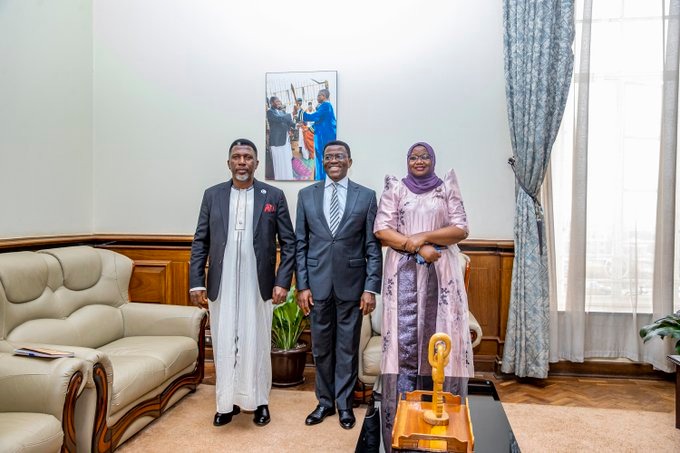
Kampala’s drive to become a cleaner, better organised and more efficient capital city is set to rely increasingly on stronger cooperation between Kampala Capital City Authority (KCCA) and the Buganda Kingdom, an institution with deep historical, cultural and land interests in the city.
The commitment emerged during a meeting between KCCA political and technical leaders and Buganda Kingdom officials at Bulange, Mengo, where the two sides discussed ways of strengthening collaboration to address Kampala’s growing urban challenges.
The KCCA delegation was led by Lord Mayor Ronald Nsubuga Balimwezo and KCCA Executive Director Hajjat Sharifah Buzeki, alongside the Deputy Lord Mayor, Speaker, Deputy Speaker, Division Mayors, City Executive Committee members, councillors and directors.
Although the visit was initially a courtesy call to Katikkiro Charles Peter Mayiga following Balimwezo’s election, discussions quickly shifted to broader issues surrounding Kampala’s transformation and the need for institutional cooperation,Kampala needs a Buganda partnership
Balimwezo said Kampala, as Uganda’s economic hub, requires joint efforts from all stakeholders, particularly Buganda Kingdom, given its historical connection and land ownership in the city.
“Kampala is the heart of Uganda and Buganda. We can not build the Kampala we want without coming here to seek knowledge on how best to build the city,” Balimwezo said.
The Lord Mayor described Buganda as one of Kampala’s biggest landlords and called for the Kingdom’s involvement in decisions affecting the city’s development.
“You can not transform Kampala without involving Buganda Kingdom,” he said.
He proposed the creation of a KCCA-Buganda working group to provide a structured platform for discussing development priorities, resolving challenges, and strengthening cooperation between the two institutions.
Mayiga supports infrastructure development
Katikkiro Mayiga welcomed the KCCA leadership and urged continued cooperation in improving infrastructure and public services.
He commended KCCA’s ongoing road construction projects and market developments, noting that while such projects may cause temporary inconvenience to residents and businesses, they are necessary for Kampala’s long-term growth.
“Thank you for constructing roads. It affects us, but we appreciate,” Mayiga said.
He also supported the development of organised markets, saying they provide better working environments for traders while improving service delivery and urban management,Street trading and transport reforms
Mayiga encouraged KCCA to remain firm in its efforts to regulate street trading and improve order in the city.
“Be firm on that,” he said while referring to KCCA’s efforts to improve public transport and organise commercial activities.
Kampala continues to face major transport challenges, including congestion, informal transport operations, and limited infrastructure for pedestrians. Cooperation between KCCA and Buganda could help build public support for reforms aimed at improving mobility and urban order,Joint effort on city cleanliness
Waste management and cleanliness were also highlighted as key areas where the two institutions can work together.
Mayiga pledged Buganda’s support for community-based initiatives such as National Cleaning Days and encouraged households and businesses to separate waste at the source, “We are ready to support you,” he said.
KCCA Executive Director Buzeki also appealed for continued Buganda support in promoting cleanliness campaigns, recognising the contribution of the Kingdom’s Bulungi Bwansi initiative in mobilising communities for development activities, KCCA: Development must move with Buganda
Buzeki said KCCA’s engagement with Buganda was part of a deliberate strategy to build a sustainable partnership that supports Kampala’s transformation.
“Whatever we do, we do it on the land of Buganda. Whatever we do, we have to move with the Kingdom and work with it to succeed on our reforms,” she said.
She added that KCCA can not effectively transform Kampala without engaging the Kingdom and securing its support.
“We can not sit at City Hall and not come here. Whatever we do must have a buy-in here first,” Buzeki said.
She cited existing cooperation between the two institutions, including implementation of the Trade Order, which has helped efforts to restore order in the city, Markets and land cooperation
Buzeki highlighted markets such as Ggaba, Usafi, and Kamwokya as examples of how organised trading spaces can support both economic activity and urban planning.
She said such developments provide alternatives for informal traders while helping KCCA improve the management of commercial activities.
She also acknowledged Buganda’s role in supporting road development projects by providing the right of way on Kingdom land.
Cooperation is considered critical because access to land remains a major factor in implementing infrastructure projects, reducing delays and disputes, A new chapter for Kampala’s transformation
The Bulange meeting marked more than a formal visit, signalling a renewed commitment by KCCA and Buganda to work together on Kampala’s future.
The proposed KCCA-Buganda working group could provide a framework for turning political commitments into practical action on infrastructure, sanitation, transport, markets, and urban planning.
For Buganda, the partnership provides an opportunity to participate in developments taking place on land and communities closely linked to the Kingdom.
For KCCA, cooperation with Buganda could strengthen community mobilisation and improve the acceptance of reforms needed to address Kampala’s persistent challenges.
As Kampala continues to expand, the success of its transformation will depend not only on roads built, markets developed and waste collected, but also on how effectively key institutions collaborate to create a cleaner, more organised and sustainable city.