
Law Development Centre graduates face enrolment backlog as Parliament demands answers
Leader of the Opposition and Nakawa Division West MP Joel Ssenyonyi raised the matter on the floor of Parliament, questioning why hundreds of graduates who have completed their legal training remain unable to secure enrolment on the Roll of Advocates.
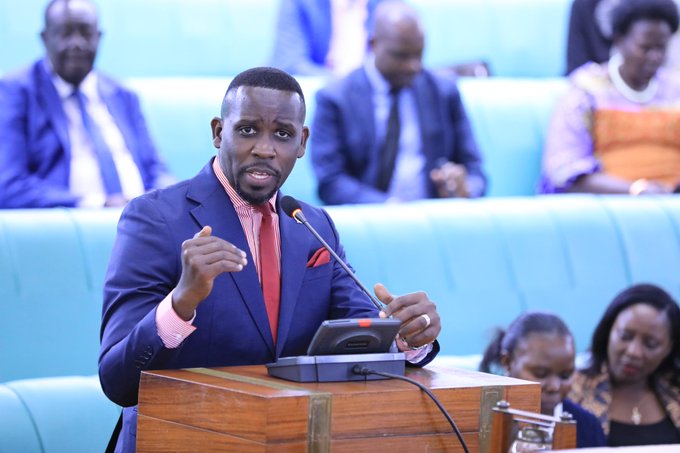
A growing backlog of Law Development Centre (LDC) graduates awaiting enrolment as advocates has raised concern in Parliament, with lawmakers demanding urgent action to ensure trained lawyers are not delayed from entering professional practice.
Leader of the Opposition and Nakawa Division West MP Joel Ssenyonyi raised the matter on the floor of Parliament, questioning why hundreds of graduates who have completed their legal training remain unable to secure enrolment on the Roll of Advocates.
Ssenyonyi said between 1,300 and 1,600 students complete the LDC programme and become eligible for enrolment every year, but only about 400 to 600 eventually get admitted to the Roll of Adv
He argued that the figures reveal a significant gap between the number of graduates completing professional legal training and those allowed to practise law.
For many graduates, the delay affects their career progression because enrolment is a requirement before they can fully practise as advocates, join law firms, or establish private legal practices.
Ssenyonyi asked the government to explain measures being taken to clear the backlog and ensure qualified graduates are not unnecessarily kept out of the legal profession, Concerns over repeating LDC course
The opposition leader also raised concerns over students who fail only a few subjects at LDC but are reportedly required to repeat the entire course.
He said some affected students have petitioned Speaker Jacob Marksons Oboth, seeking intervention over what they consider an unfair requirement.
The issue has sparked debate over whether students who have successfully completed most parts of the professional training should repeat the entire programme because of limited academic failures.
Ssenyonyi urged the government to review the policies governing progression and enrolment at the institution and provide clarity to affected students, Speaker questions delays
Speaker Jacob Marksons Oboth expressed concern over the prolonged delays affecting LDC graduates seeking admission into the legal profession.
He questioned whether the professional regulatory system has enough capacity to process graduates who have completed the required training.
“At what point do you put the sieve for professional regulatory body? Somebody has finished everything. They are supposed to join the labour market. You delay their enrolment. Don’t you have capacity, or are you just malicious? Or both?” Oboth asked.
The Speaker’s remarks highlighted concerns over balancing professional regulation with the need for efficient administrative processes.
While authorities have a responsibility to ensure only qualified individuals enter the legal profession, Parliament questioned whether delays are unnecessarily preventing eligible graduates from beginning their careers, Government pledges action
Deputy Attorney General Jackson Kafuuzi told Parliament that the government is engaging the Law Council to address challenges affecting the enrolment process.
Kafuuzi acknowledged that there have been challenges but assured lawmakers that efforts were underway to improve the situation.
“They had a number of challenges which we are trying to iron out. We believe that starting September, things will move a little smoothly. I can guarantee you that,” he said.
The assurance comes as graduates continue to wait for the final regulatory step required to enter legal practice., roader implications for legal profession
The controversy has raised wider questions about Uganda’s professional education system and how regulatory bodies manage the transition of graduates into employment.
While strict standards are necessary to protect the quality and integrity of the legal profession, lengthy administrative delays can create barriers for individuals who have already completed the required training.
The figures presented by Ssenyonyi have increased calls for an assessment of whether the backlog is caused by limited capacity, regulatory procedures, examination requirements, or administrative challenges.
For affected graduates, the issue remains urgent as delays translate into lost employment opportunities and uncertainty over their professional future.
Parliament’s intervention has placed the Law Development Centre, Law Council, and Government under pressure to ensure that professional regulation does not unnecessarily prevent qualified lawyers from joining the labour market.
The planned engagement between the government and the Law Council will now be closely monitored as authorities seek to improve the enrolment process.