Letter To Salim Saleh: Former Makindye East MP, John Ssimbwa, proposes SACCO loans to cushion Kampala taxi operators facing ban from capital city roads
Ssimbwa says the transition from outdated taxis to mass transport in Kampala is necessary but should be implemented inclusively.
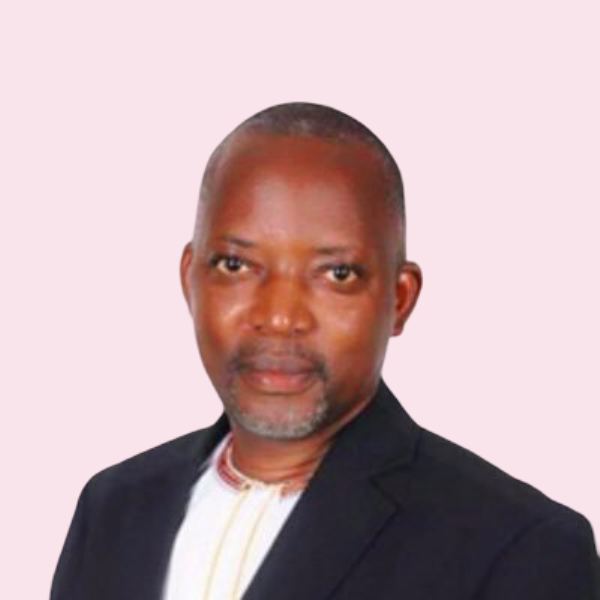
A former Makindye East Member of Parliament, Ssimbwa John, has proposed a government-backed financial support programme for old public taxi operators facing displacement from Kampala Metropolitan Area streets.
In a proposal addressed to Rtd. Gen. Caleb Akandwanaho, commonly known as Salim Saleh, Senior Presidential Advisor and Chief Coordinator of Operation Wealth Creation (OWC), Ssimbwa calls for affected taxi drivers, conductors and vehicle owners to be organised under a transport Savings and Credit Cooperative Organisation (SACCO).
The proposal follows government reforms by the Ministry of Works and Transport to phase out old and mechanically unfit public service vehicles, commonly known as kamunyes, from operating in Kampala Metropolitan Area.
According to Ssimbwa, the reforms are necessary to improve road safety, environmental standards and the appearance of the city, but could also negatively affect thousands of people who depend directly or indirectly on the taxi business for their livelihoods.
He warns that without a structured intervention, the ban could result in job losses, reduced household incomes, increased poverty and social vulnerability.
Ssimbwa argues that OWC, given its original mandate of promoting socioeconomic transformation and household wealth creation, can help coordinate a government response involving relevant ministries, agencies, taxi associations and SACCOs.
SACCO-based financing
The proposed intervention would involve working with taxi operator organisations such as the Uganda Taxi Operators Federation (UTOF) and other stakeholders to organise affected operators and integrate them into an existing transport SACCO or establish a new one where necessary.
Through the Micro Finance Support Centre, government would provide seed capital to enable the SACCO to offer affordable loans for repairing and refurbishing roadworthy vehicles.
The financing would specifically target engine overhauls and mechanical repairs, body refurbishment and repainting, as well as compliance with transport regulations.
Ssimbwa also proposes training taxi operators in financial management, savings, vehicle maintenance, customer care, road safety and the use of digital payment systems.
A technical team would work with transport authorities to certify refurbished vehicles and ensure they meet required safety and operational standards before returning to service.
Protecting livelihoods
The proposal identifies preservation of jobs and restoration of livelihoods as key expected outcomes.
It also seeks to improve the safety, cleanliness and reliability of public taxis while promoting financial inclusion through SACCO membership.
Other anticipated benefits include better organised public transport systems, enhanced urban transport standards and improved dignity of work among taxi operators.
Proposed implementation
Ssimbwa proposes a five-phase implementation process beginning with the formation of a stakeholders’ task force and brainstorming during the first month.
The second phase would focus on mobilising affected operators and engaging stakeholders between the first and second months, followed by SACCO registration and structuring between the second and third months.
Training and loan disbursement would begin from the third month and continue, while monitoring and evaluation would be undertaken continuously.
The programme would require funding for stakeholder engagements, mobilisation, SACCO formation, seed and loan capital, training, capacity building and monitoring.
Ssimbwa recommends establishing a revolving fund to improve the sustainability of the financing scheme.
Safeguards against loan default
To reduce risks, the proposal recommends restricting loan eligibility to vehicle owners whose names appear in the motor vehicle logbook and correspond with their National Identification documents.
It also proposes group guarantees involving drivers and stage management, together with placing a caveat on the vehicle logbook through the Uganda Revenue Authority.
The taxi operator would also be required to insure the vehicle repair loan under a loan protection scheme.
Because taxi operators receive income daily, the proposal recommends encouraging daily digital loan repayments to prevent arrears from accumulating.
Long-term transformation
Beyond repairing existing taxis, Ssimbwa envisions SACCO members eventually moving towards collective ownership and larger investments.
The proposal suggests that organised operators could eventually invest in large omnibuses, electric or diesel buses, mechanical workshops and taxi or bus parks, allowing members to generate dividends rather than relying solely on daily earnings.
Ssimbwa says the transition from outdated taxis to mass transport in Kampala is necessary but should be implemented inclusively.
He recommends that OWC urgently establish a stakeholders’ task force to study the proposal and consider how it can be operationalised.