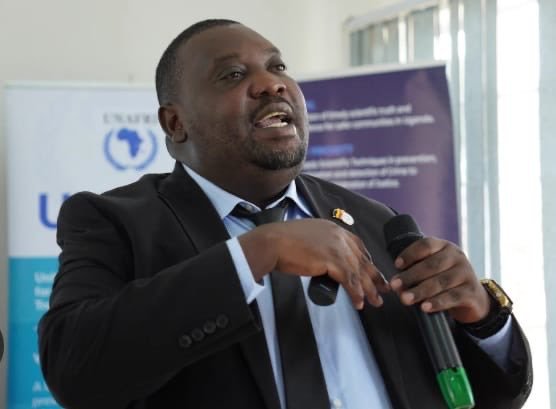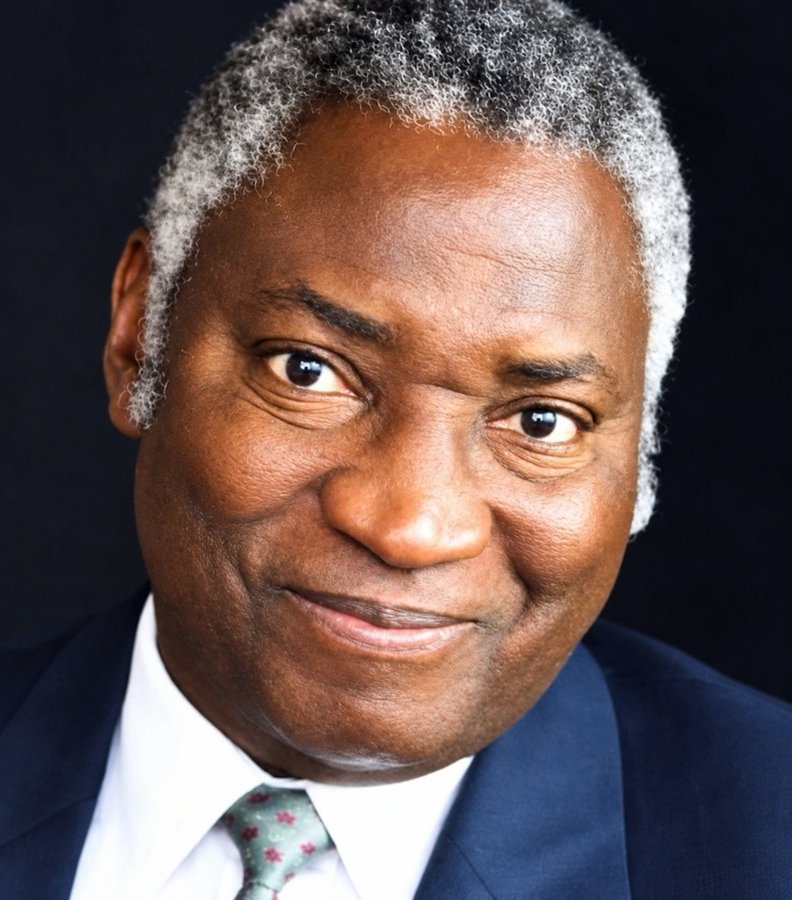
Muwanga Kivumbi Produced in Butambala Court: A Defining Test for Due Process and Political Freedoms
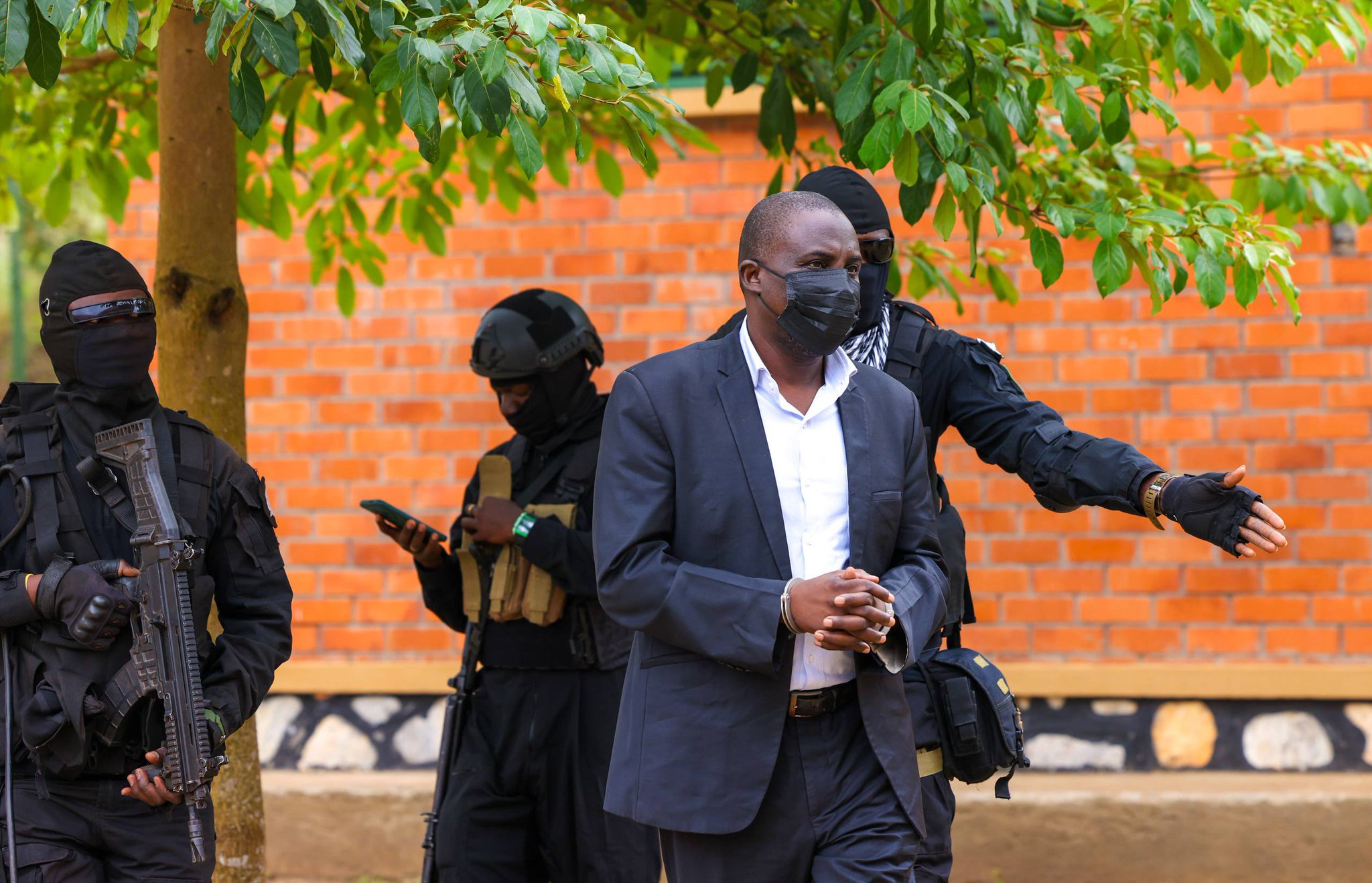
The re-emergence of National Unity Platform (NUP) Deputy President for Buganda Region, Muhammad Muwanga Kivumbi, after 19 days of alleged incommunicado detention has once again thrust Uganda’s justice system, security agencies and political environment into the unenviable national spotlight.
His appearance at Butambala Chief Magistrate’s Court on Wednesday, and subsequent remand to prison, came amid growing legal and political pressure, following a habeas corpus application filed in the High Court by his lawyers after both the Uganda Police Force and the Uganda People’s Defence Forces (UPDF) reportedly denied knowledge of his whereabouts.
The dramatic sequence of events, court proceedings in Kampala, reports that Kivumbi had been taken to Nateete Police Station, and his eventual production before a magistrate in Butambala under tight security, raises broader questions about constitutional rights, due process and the relationship between politics and law enforcement in Uganda.
Habeas Corpus and Constitutional Protections
At the centre of the controversy is the constitutional remedy of habeas corpus, which allows courts to require authorities to produce a detained individual and justify the legality of their detention.
According to Opposition Leader Joel Ssenyonyi, the High Court was informed by the Attorney General’s representatives that police leadership had “a lead” regarding Kivumbi’s whereabouts, despite earlier denials from both police and the military.
Only hours later, reports emerged that Kivumbi had been transferred through Nateete Police Station before being presented before court.
For legal observers, such developments are likely to fuel debate over the effectiveness of constitutional safeguards against arbitrary detention and the obligations of state institutions to promptly account for individuals in custody.
Two narratives: political or criminal cases
Muwanga Kivumbi is one of the National Unity Platform’s senior leaders in Buganda, a region that has become central to the country’s political competition.
His disappearance and subsequent court appearance are therefore unlikely to be viewed solely as a legal matter.
Supporters see the incident as part of a broader pattern affecting opposition leaders, while government officials have consistently maintained that arrests and prosecutions are based on alleged criminal conduct rather than political affiliation.
The competing narratives are likely to deepen political polarisation ahead of the election period.
Impact on Public Confidence
One of the most significant implications of the case concerns public confidence in Uganda’s justice and security institutions.
When uncertainty surrounds the whereabouts of a high-profile political figure, it inevitably raises public concern about transparency and accountability.
For citizens, the speed and openness with which authorities communicate during arrests and investigations often shape perceptions of fairness in the justice system.
Legal analysts argue that timely disclosure of detention locations and adherence to constitutional procedures are essential not only for protecting individual rights but also for maintaining confidence in public institutions.
International Attention
Cases involving prolonged detention of opposition figures frequently attract the attention of international partners, diplomatic missions and human rights organisations.
Uganda has consistently sought to position itself as a stable investment destination and an anchor of regional security. Consequently, developments touching on governance, the rule of law and civil liberties often feature in assessments by development partners and international observers.
Although security remains a legitimate responsibility of the state, many analysts argue that balancing national security with constitutional freedoms remains essential for preserving Uganda’s democratic credentials.
What Happens Next?
Attention now shifts to the legal proceedings before the Butambala Chief Magistrate’s Court.
The charges against Kivumbi, the prosecution’s evidence and the court’s handling of the matter will determine whether the focus remains on alleged criminal offences or broadens into another test case concerning constitutional rights and due process.
The High Court’s habeas corpus proceedings may also continue to generate legal questions regarding accountability for the period during which his whereabouts were disputed.
The Bigger Picture
Beyond the fate of one opposition leader, the case highlights enduring questions about governance and constitutionalism in Uganda.
It underscores the importance of ensuring that security operations remain subject to judicial oversight, that detainees have timely access to legal representation and family members, and that state institutions provide clear and consistent information regarding arrests.