New National ID QR Code delays disrupt access to services
Aswa County Member of Parliament Patrick Okello Onguti has asked the Ministry of Internal Affairs and the National Identification and Registration Authority (NIRA) to explain why the QR codes on the new national IDs are reportedly not fully functional across systems used by service providers.
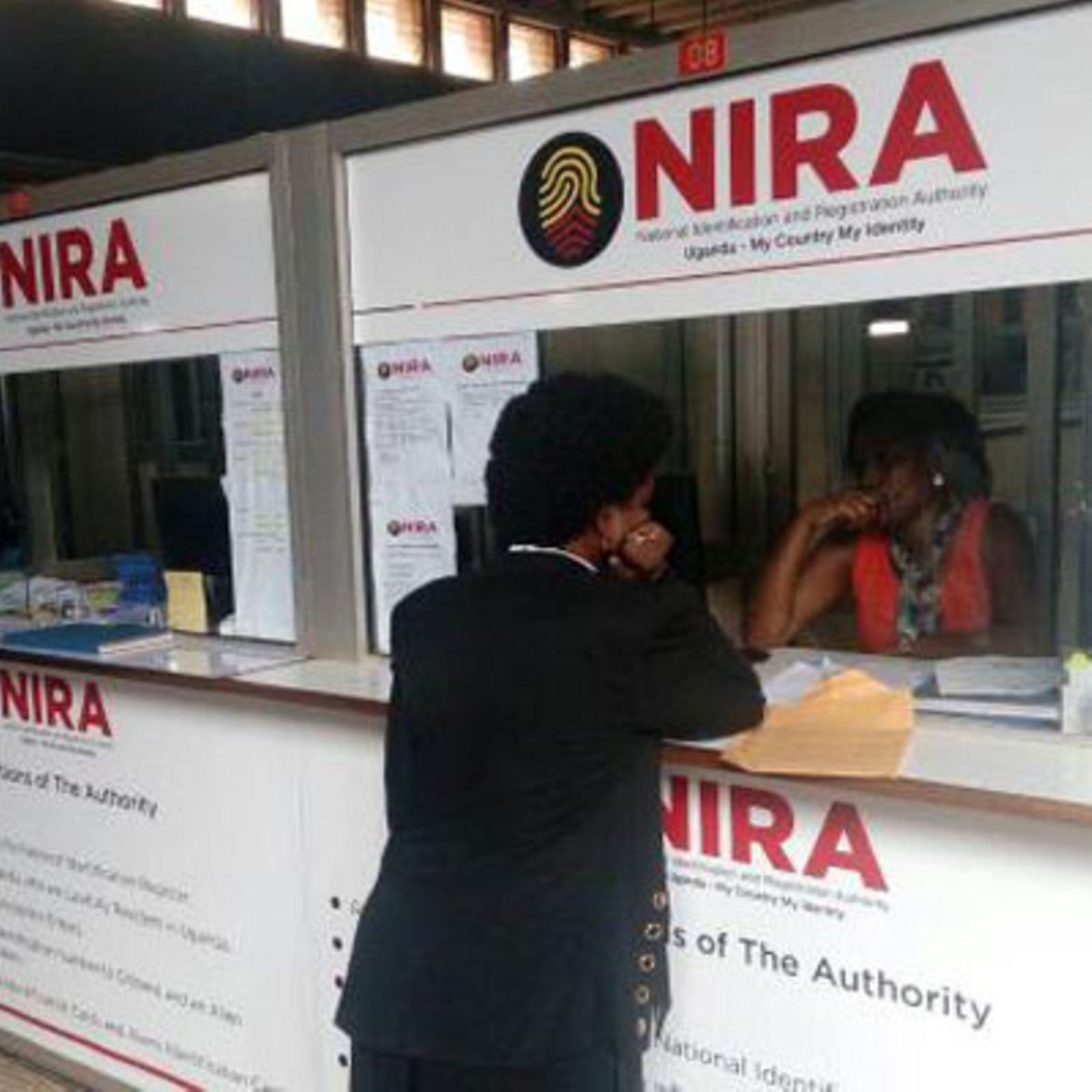
Delays in integrating and activating QR codes on Uganda’s new National Identification Cards have sparked concern in Parliament, with lawmakers warning that the problem is affecting citizens accessing banking and other essential services.
Aswa County Member of Parliament Patrick Okello Onguti has asked the Ministry of Internal Affairs and the National Identification and Registration Authority (NIRA) to explain why the QR codes on the new national IDs are reportedly not fully functional across systems used by service providers.
Onguti told Parliament that many Ugandans are facing difficulties when presenting the new identification cards at banks and other institutions that rely on QR-code verification.
“Ugandans are crying out because when you go into banks and some of these service providers that require QR code, the new national IDs are not corresponding,” Onguti said.
The legislator said NIRA had acknowledged the challenge on February 9, 2026, and committed to resolving the issue by March 31. However, he noted that continued complaints from the public indicate that the integration process has not been completed, Citizens incur extra costs
Onguti said the failure of the QR codes to match service providers’ systems has forced some citizens to seek additional identity verification documents from NIRA.
He explained that some Ugandans are being required to obtain verification letters from NIRA whenever their new national IDs fail to work with digital verification systems. The MP said some citizens are charged Shs5,000 for the letters, adding an extra burden to people who expect the national ID to serve as sufficient proof of identity.
He urged the government to provide clear explanations about the cause of the delays and give a definite timeline for when the QR-code system will become fully operational, Impact on service delivery
National identification has become a key requirement for accessing financial services and other transactions, with banks and institutions relying on identity verification systems to authenticate customers and meet regulatory obligations.
Onguti said any failure in the national identification system can disrupt access to services by delaying transactions and forcing citizens to make additional trips to obtain alternative documentation.
The QR-code feature on the new national IDs was introduced to simplify identity verification by allowing authorised institutions to digitally confirm information linked to an individual’s identity details.
However, when the codes are not recognised by service providers’ systems, holders of the new IDs are left depending on manual verification processes, Calls for urgent action
The MP’s concerns have increased pressure on NIRA and the Internal Affairs Ministry to address the technical challenges and improve coordination with institutions that use national identification data.
Onguti wants Parliament and the public to be informed about the current status of the integration process and why the earlier deadline for resolving the problem was missed.
For many Ugandans, the issue goes beyond a technical failure, as the national ID remains the primary identification document required for accessing financial services, government programmes and private sector transactions.
Attention is now on the government to provide a clear resolution timeline and ensure that the new national identification system operates smoothly without creating additional obstacles for citizens.