Nigeria faces questions over Ebola preparedness as ₦10 billion fund sparks political row
Nigeria’s response to its first confirmed Ebola case has sparked political controversy, with the African Democratic Congress (ADC) questioning the whereabouts of ₦10 billion reportedly ordered released by President Bola Tinubu for emergency preparedness in June.
Nigeria’s response to its first confirmed Ebola case has sparked political controversy, with the African Democratic Congress (ADC) questioning the whereabouts of ₦10 billion reportedly ordered released by President Bola Tinubu for emergency preparedness in June.
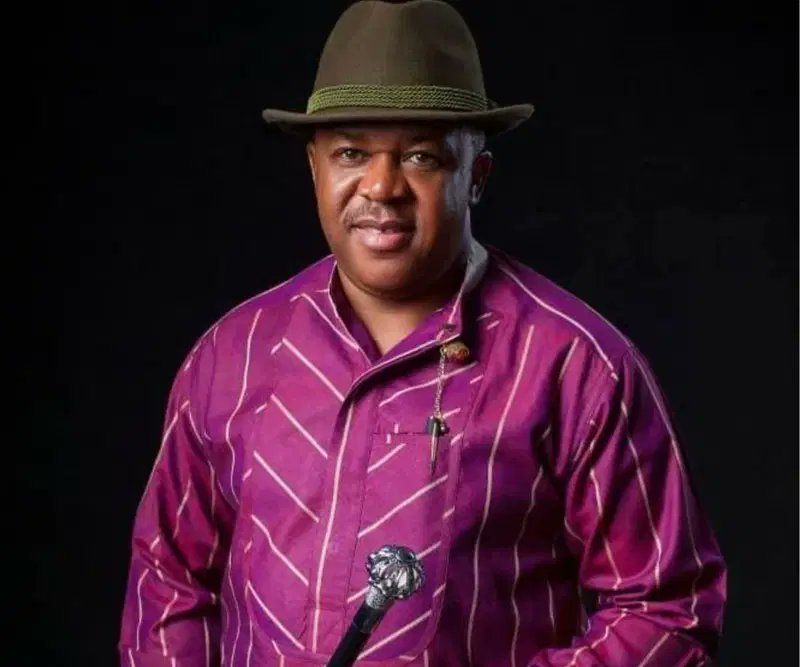
In a statement dated October 23, 2026, Phrank Shaibu, Director of Strategic Communication for the ADC Presidential Campaign Council, accused the ruling All Progressives Congress (APC) of avoiding questions about the funds while attacking opposition figure Atiku Abubakar.
Shaibu called on the government to publish financial records showing whether the money was released, where it is being held, and why it reportedly remains unused.
The controversy comes after a 42-year-old woman tested positive for Ebola in Abuja on October 20. According to reports cited in the statement, she developed symptoms on October 7 and sought treatment at private health facilities before her diagnosis. Authorities are monitoring 44 identified contacts.
The patient reportedly returned to Nigeria on October 3 after spending approximately two and a half weeks in Uganda. Both Nigeria’s patients and Kenya’s first reported patients in the outbreak are said to have passed through Entebbe International Airport on the same day. Africa CDC is investigating a possible connection, although no link has been established.
Conflicting accounts have also emerged over where the Nigerian patient contracted the virus. Switzerland’s foreign ministry told Reuters that she and her husband had not travelled to the Democratic Republic of Congo (DRC), while Uganda reportedly indicated that she had visited eastern Congo The World Health Organization has said the source of infection remains unknown.
Shaibu questioned the timeline between the onset of symptoms and confirmation, demanding explanations about when Ebola was suspected, authorities were alerted, testing began, and contact tracing started.
He also urged the government to protect healthcare workers, strengthen surveillance, and ensure that public health measures are not used for political purposes.
The dispute comes as Uganda continues to emphasise vigilance following the WHO’s August 26, 2026 declaration that the country was Ebola-free.
Meanwhile, the United States has announced additional screening measures for air travellers, including a requirement for US-bound passengers to attest that they have not been in the DRC during the previous 21 days, according to a Reuters report.
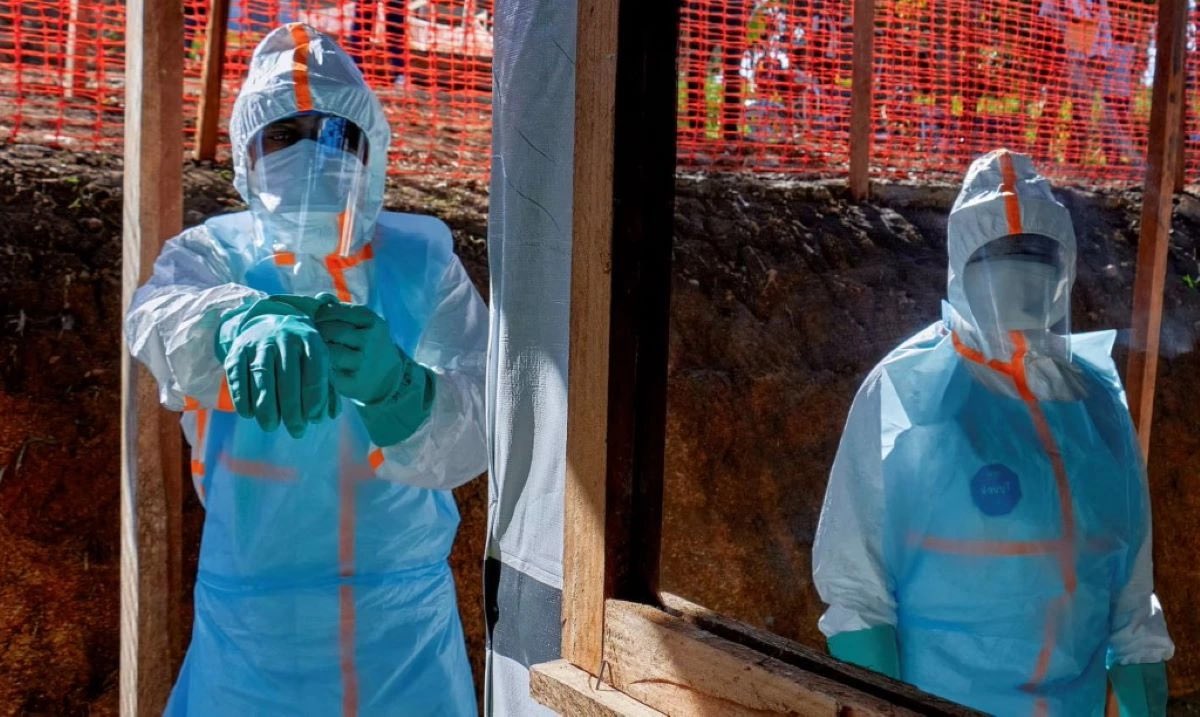
Ebola is a severe infectious disease that requires rapid detection, effective contact tracing, and strict infection-control measures. Health authorities continue to urge the public to practise good hand hygiene, avoid contact with infected persons, and seek medical attention promptly if symptoms develop.