Ssenyonyi questions continued COVID-19 testing of NRM MPs despite Uganda being declared virus-free
Ssenyonyi raised concerns over the continued requirement, questioning the justification for maintaining the precautionary measures at a time when Uganda has reported no active COVID-19 transmission and has moved beyond the emergency phase of the pandemic.
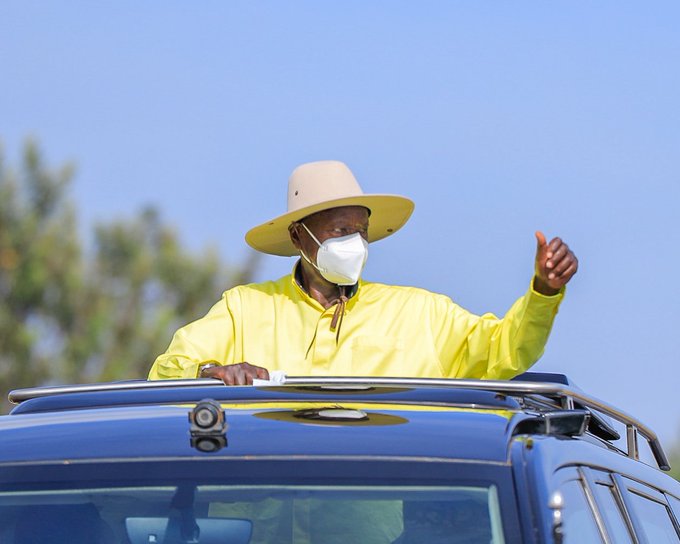
Leader of the Opposition in Parliament Joel Ssenyonyi has questioned why National Resistance Movement (NRM) Members of Parliament continue to undergo COVID-19 testing before attending caucus meetings and other engagements with President Yoweri Museveni
Ssenyonyi raised concerns over the continued requirement, questioning the justification for maintaining the precautionary measures at a time when Uganda has reported no active COVID-19 transmission and has moved beyond the emergency phase of the pandemic.
Speaking in Parliament, the opposition leader said he was seeking clarity on whether COVID-19 remained a major public health threat and what message the continued restrictions were sent to other countries.
“Speaking as a non-medic, is COVID still such a serious issue? What message are we sending to these countries, which we are telling, please, don’t restrict travel in Uganda?” Ssenyonyi questioned.
Uganda implemented extensive COVID-19 control measures during the height of the pandemic, including mass testing, surveillance, isolation, and infection-control measures overseen by the Ministry of Health under former minister Dr. Jane Ruth Aceng.
Responding to Ssenyonyi’s concerns, Health Minister Dr. Chris Baryomunsi said the testing of MPs was being done as a precautionary measure and was not an indication that Uganda was experiencing a new outbreak.
Baryomunsi explained that the measures are intended to provide an additional layer of protection during engagements involving the president and other senior government officials.
The minister said he would advise State House that there is currently no strong public health justification for mandatory COVID-19 testing, noting that the country’s positivity rate stands at about 0.001 per cent.
He added that Uganda currently has no active community transmission of COVID-19, although he maintained that the continued precautions do not cause harm.
The debate has renewed discussions about the relevance of maintaining some pandemic-era health measures during high-level government meetings, especially after many restrictions introduced during the COVID-19 crisis were lifted.
Authorities often maintain heightened health precautions around presidential engagements to reduce any risk of infections affecting senior officials.
While the Health Ministry insists that the testing is purely preventive, Ssenyonyi’s concerns have sparked questions about how long such measures will remain in place and whether they are still necessary given the current public health situation.