UBOS deploys 80 data collectors for 2026/27 national household survey
The new survey is expected to build on those findings by generating updated, high-quality statistics that will guide evidence-based decision-making, policy formulation and evaluation of development interventions over the coming years.
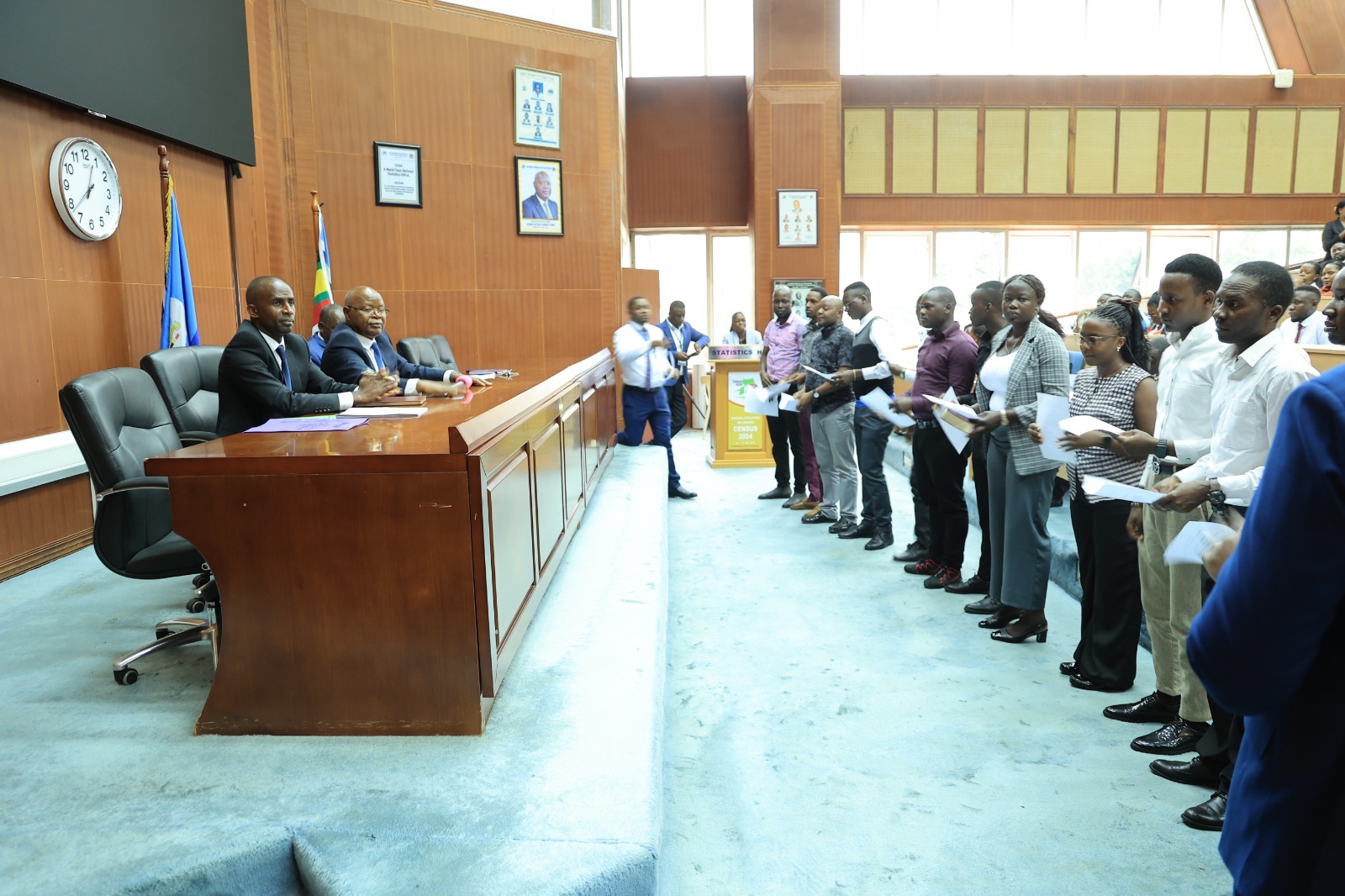
The Uganda Bureau of Statistics (UBOS) has commissioned 80 field data collectors to spearhead the Ninth Uganda National Household Survey (UNHS) 2026/27, a nationwide exercise expected to generate critical socio-economic data for government planning, policy formulation and development monitoring.
The data collectors completed an intensive 15-day residential training before being deployed into the field, where they will spend the next 12 months collecting information from households across the country.
To ensure efficient field operations, the enumerators have been organized into 16 teams, each headed by a Field Supervisor.
UBOS said the teams were strategically constituted based on language proficiency to facilitate effective communication with respondents in different regions and improve the quality of data collected.
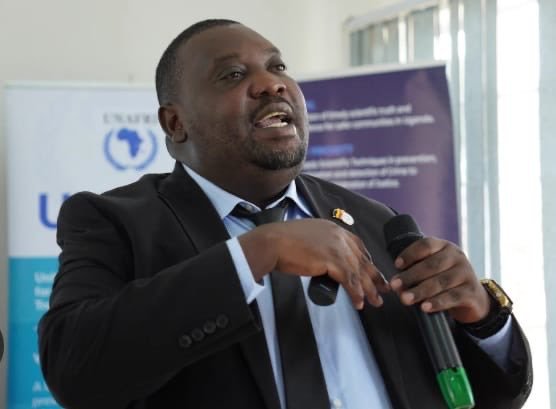
While commissioning the field staff, UBOS Executive Director, Dr. Chris N. Mukiza, underscored the importance of professionalism, integrity and strict adherence to ethical standards, reminding the data collectors that they are custodians of sensitive national information.
“You must ensure that the information you collect remains confidential. Do not disclose sources of data,” Dr. Mukiza said, citing the Uganda Bureau of Statistics Act, 1998, which guarantees confidentiality of respondents’ information and protects the independence of official statistics.
He urged the enumerators to record responses accurately without altering information provided by respondents, emphasizing that credible national statistics depend on the integrity of field data collection.
“Record the information as it is given. Do not change anything. The data you collect is critical for planners and policymakers in improving the lives of Ugandans,” he said.
Dr. Mukiza also warned against misconduct, indiscipline and poor performance, noting that officers who fail to meet the required standards could face dismissal and may be barred from participating in future UBOS surveys.
He stressed that producing reliable official statistics begins with collecting high-quality data, describing the field teams as the foundation upon which evidence-based national planning is built.
The Uganda National Household Survey is one of the country’s flagship statistical programmes and serves as a primary source of data on household living conditions and socio-economic wellbeing.
The survey captures information on education, health, employment, housing, agriculture, food security, consumption, poverty and access to social services.
The findings are widely used by government ministries, development partners, researchers and the private sector to assess poverty trends, evaluate public programmes and monitor progress towards Uganda’s National Development Plan and the Sustainable Development Goals (SDGs).
The 9th Round of the survey is expected to run continuously for 12 months, allowing UBOS to capture seasonal variations in household livelihoods, agricultural production, expenditure patterns and food security across the country.
UBOS released the results of the 8th Uganda National Household Survey in May 2025, providing key insights into the country’s socio-economic landscape.
The new survey is expected to build on those findings by generating updated, high-quality statistics that will guide evidence-based decision-making, policy formulation and evaluation of development interventions over the coming years.
With the deployment of the 80 trained field data collectors, UBOS has taken another significant step toward strengthening Uganda’s national statistical system and ensuring that public policies are informed by timely, reliable and comprehensive data.