
Ugandan Oil Baptised “Pearl Sweet”: A brilliant blend between chemistry and national pride
To understand why the name works so well, one must first dismantle the misconception surrounding the word "sweet."

By Ingrid Mpanga
When the brand name “Pearl Sweet” was officially assigned to Uganda’s commercial crude oil, it triggered an unexpected wave of chatter across social media and dinner tables alike.
To many everyday Ugandans, the name sounded more like a new line of sugary confectionery, a local soda flavor, or a trendy street snack than a multibillion-dollar petroleum resource.
Skeptics chuckled, meme-makers went to work and critics questioned how a nation’s prized mineral wealth could end up with a label that sounded so deceptively delicate.
Yet, far from a whimsical marketing error or a lack of imagination, the title “Pearl Sweet” is a stroke of brand intelligence.
The skepticism stems simply from a gap in industry literacy, a broad unfamiliarity with the global language of petroleum geology.
Once the technical science and international market strategy behind the name are unpacked, it becomes clear that our oil name is not only brilliantly thought through, but also deeply relevant to Uganda’s economic identity and global standing.
To understand why the name works so well, one must first dismantle the misconception surrounding the word “sweet.”
In the international energy market, crude oil is broadly categorized into two main camps based on its chemical composition: sweet and sour.
This classification has nothing to do with taste buds or sugar content, but everything to do with sulfur.
Sour crude contains high concentrations of sulfur – often well above 0.5 percent – making it highly corrosive, foul-smelling, difficult to refine, and significantly worse for environmental emissions.
Sweet crude, by contrast, contains minimal sulfur. In oil trading, sulfur is an unwanted pollutant.
Stripping it out of sour crude requires refineries to invest heavily in complex, energy-intensive hydrotreating equipment, driving up processing costs and pumping massive amounts of secondary carbon emissions into the atmosphere.
Because Uganda’s oil naturally checks the box as low-sulfur sweet crude, international refiners can process it into diesel, petrol and jet fuel far more efficiently, with lower operational expenses and a noticeably smaller carbon footprint.
In a modern global market obsessed with tightening environmental standards, being “sweet” makes Uganda’s oil a highly sought-after, premium commodity that commands a top-tier market price.
The local skepticism melts away the moment the two words are viewed as a calculated double-act.
The first word, Pearl, grounds the resource firmly in its origin or soil, pulling directly from the iconic phrase popularized when Winston Churchill marveled at our nation’s extraordinary climate, lush vegetation and rich biodiversity, calling it the Pearl of Africa.
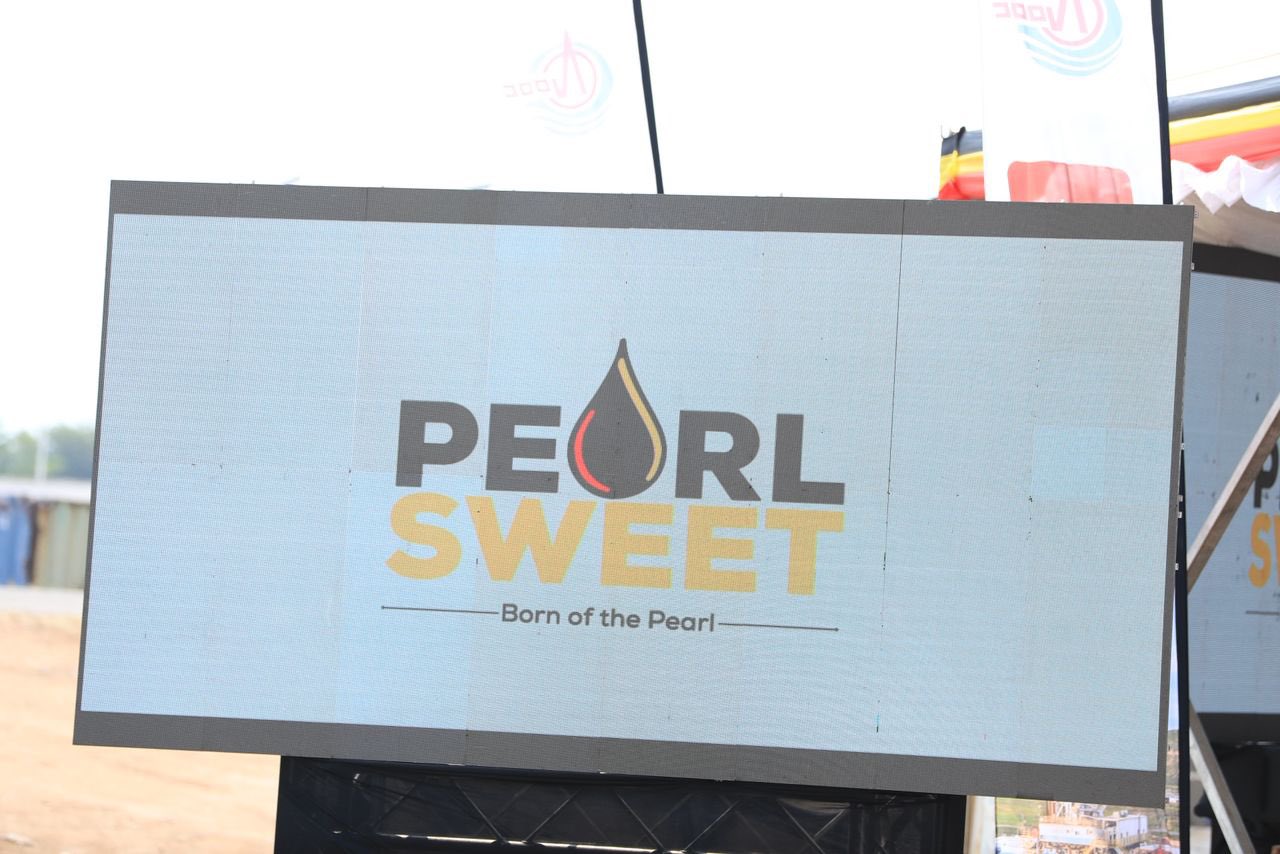
In global commodity markets where crude oils are branded by their geographic heritage like: West Texas Intermediate in the United States, Brent in the North Sea, or Bonny Light in Nigeria, Pearl serves as an undeniable stamp of origin.
It announces to international buyers from Rotterdam to Singapore that this oil comes from the heart of the Albertine Graben.
The second word, Sweet, transitions the narrative from geographic pride to elite chemical quality.
Geologically, Uganda’s oil possesses a unique personality: while chemically sweet, it is physically a medium-to-heavy, waxy crude.
At room temperature in the cool air of the western region, it thickens into a consistency resembling rich shea butter or shoe polish.
Moving a peak volume of 230,000 barrels per day from the Albertine basin across 1,443 kilometers to the Indian Ocean port of Tanga required engineering the longest electrically heated crude pipeline in the world, keeping the oil at a steady 50 degrees Celsius so it glides smoothly across the terrain.
Far from being a lighthearted or superficial nickname, “Pearl Sweet” bridges the gap between national heritage and high-stakes international trade.
It transforms a complex geological asset into an authoritative, world-class brand that honors the land beneath our feet while asserting immediate technical authority on the global stage.
So let us celebrate this milestone: Pearl Sweet is a name fully deserving of the immense wealth flowing beneath Ugandan soil.