Museveni threatens to fire absentee health workers
The President urged MPs to become more vocal in exposing corruption, warning that silence would not help either government or citizens.
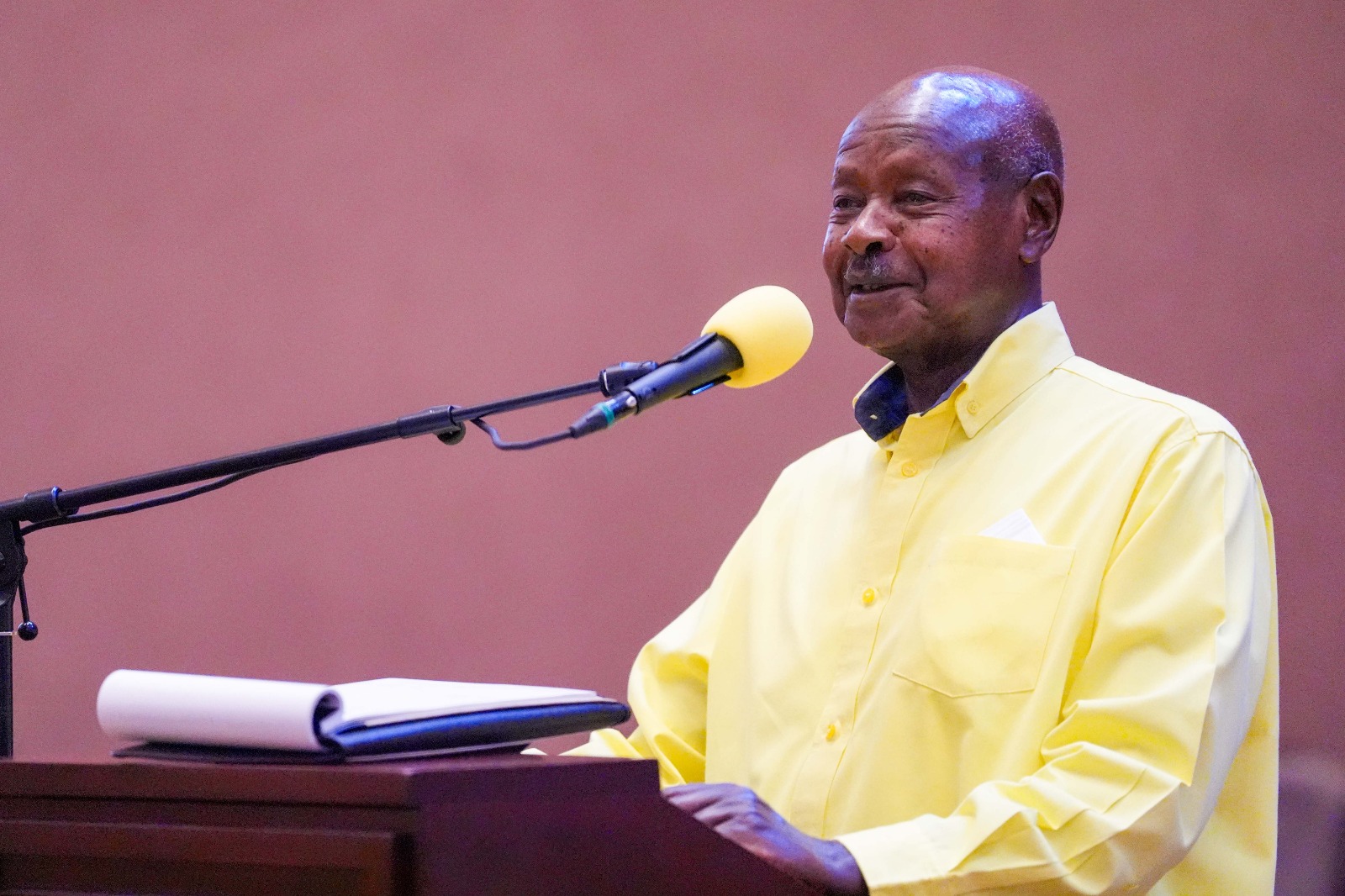
President Yoweri Kaguta Museveni has threatened to sack absentee health workers and replace them with younger professionals, accusing some government employees of failing to serve citizens despite the country having qualified medical personnel looking for jobs.
“We shall reach a point and chase away those who don’t want to work and replace them with young ones,” Museveni warned on Friday.
The President was addressing members of the National Resistance Movement (NRM) Parliamentary Caucus at Speke Resort Munyonyo in Kampala, where he outlined concerns raised by citizens during his recent countrywide campaigns.
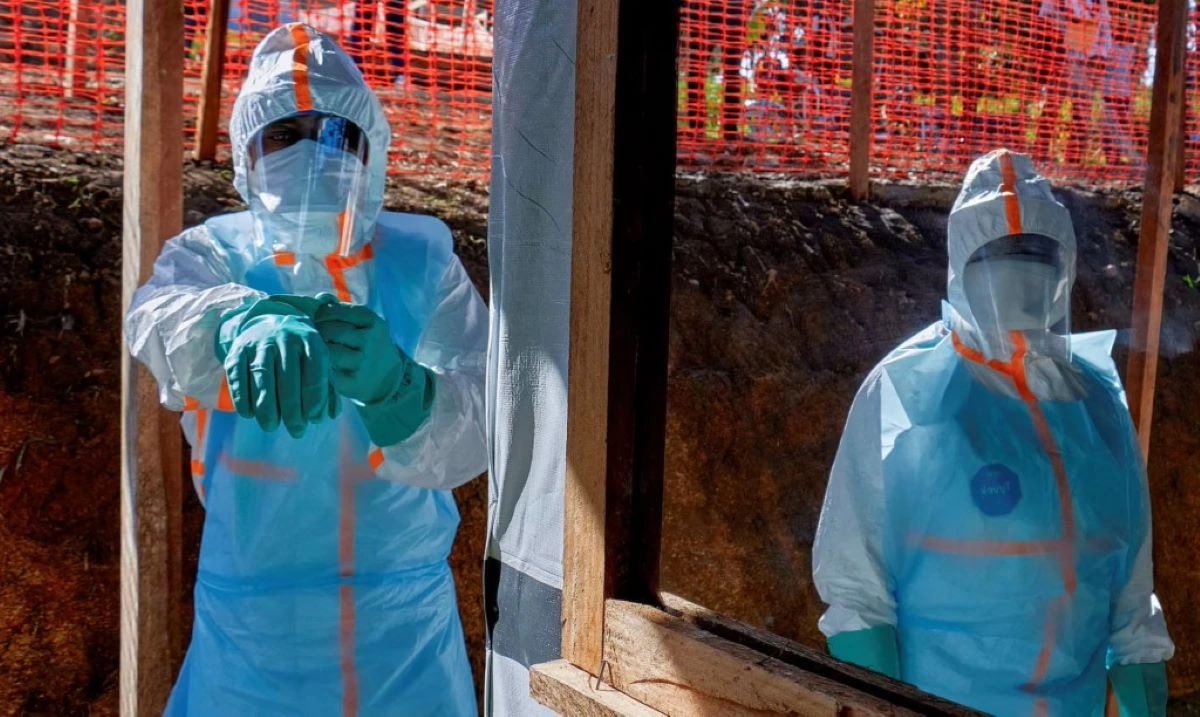
Museveni singled out absenteeism, drug shortages and alleged corruption in public health facilities as some of the problems requiring urgent action.
He said government could not continue retaining health workers who fail to report to their duty stations when young, qualified professionals are available to take up the jobs.
The President also questioned reports that patients are being sent to private drug shops and pharmacies to purchase medicines that should be available at government health facilities.
“Health needs to be addressed. There’s some corruption in the health centres. You don’t find drugs there. Is it because there are no drugs or they’re being stolen?” Museveni asked.
He said the issue would be taken to Cabinet and pledged to personally follow up on reports of medicine shortages and possible theft.
Museveni said poor health services have consequences beyond individual patients, arguing that illness also undermines economic productivity.
“The last time I was sick with malaria was in the bush. Sickness is lost contribution time,” he said.
The President also raised alarm over the growing burden of cancer and diabetes, saying Uganda must investigate the causes and strengthen prevention.
He noted that while diseases such as Guinea worm, measles and polio had been significantly controlled, non-communicable diseases were emerging as a major challenge.
Museveni also turned his attention to corruption, particularly the alleged theft and diversion of Parish Development Model (PDM) funds.
He directed Prime Minister Robinah Nabbanja to instruct Minister for Local Government Balaam Barugahara to investigate allegations of PDM fund theft in Pakwach, Maracha, Iganga and Buwambo.
The President urged MPs to become more vocal in exposing corruption, warning that silence would not help either government or citizens.
“If you think that keeping quiet is good, it will not help at all. I would really like to mobilize you people to fight corruption without fear,” he said.
He praised Kasese District for what he described as good performance under PDM, calling the programme a potential “game changer” for households if properly implemented.
Museveni also condemned alleged corruption in local government recruitment, citing reports that a government job in Kibale was allegedly being sold for Shs10 million.
He urged MPs to monitor recruitment processes and ensure public jobs are awarded on merit.
The NRM Parliamentary Caucus subsequently adopted 11 resolutions, including commitments to strengthen the fight against corruption and support government programmes in health, education, roads, railways, irrigation and security.