When the Road Goes Dark: Inside Uganda’s rising night-time crash toll
Police warn motorists against speeding, reckless overtaking and fatigue as deadly crashes claim lives across the country
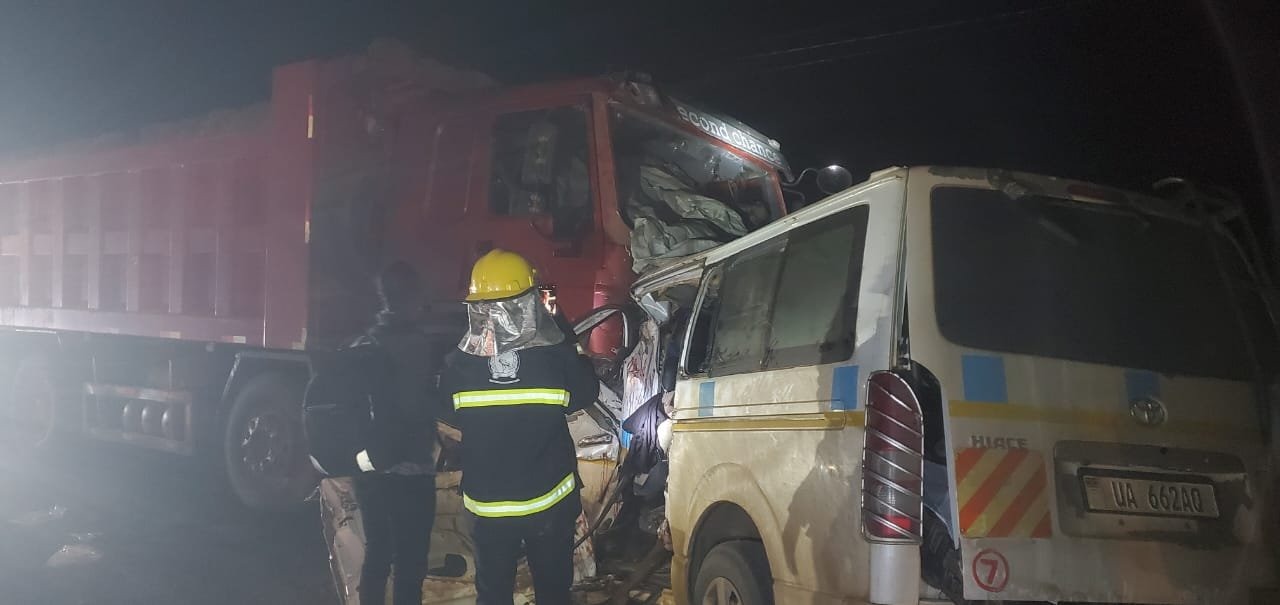
For many motorists, the road becomes a different place after darkness falls.
Visibility drops, reaction time becomes shorter and the dangers of fatigue begin to creep in. A vehicle travelling at high speed can suddenly encounter an oncoming truck, a pedestrian or an obstruction with little time to respond.
Across Uganda, recent road crashes have provided a grim reminder of the risks.
The Directorate of Traffic and Road Safety has recorded a number of crashes over the past week, several of them occurring at night and involving public service vehicles, trucks and other motor vehicles.
According to SP Kananura Michael, the Public Relations Officer of the Directorate of Traffic and Road Safety, preliminary findings point to speeding, careless overtaking and reckless driving as some of the major contributing factors.
The consequences have been devastating.
13 lives lost in Lwera
On August 3, 2026, at about 11:40pm, a commuter taxi and a Sino truck collided at Kamuwunga Trading Centre along the Lwera stretch in Lukaya.
The crash claimed 13 lives, including that of the taxi driver, and left four people injured.
Among the injured was the Sino truck driver, identified as Kiyega Ibra Mukasa.
Police investigations indicate that the truck allegedly drifted from its lane while the two vehicles were travelling at high speed, resulting in a head-on collision.
The truck driver has since been charged with 16 counts relating to causing death and bodily injuries through reckless driving.
He remained under police guard while receiving treatment and, following his discharge from hospital, was expected to appear in court to answer the charges.
The Lwera tragedy is among the deadliest crashes recorded in the country in recent days, highlighting the devastating consequences when speed, fatigue and poor judgement meet on the highway.
Three killed in Kakira
A separate crash at Kakira along the Jinja–Iganga Highway also occurred at night.
At about 10:00pm, a commuter taxi reportedly rammed into a moving truck from behind.
Three people, including the taxi driver, died at the scene, while another 10 people sustained injuries.
Police preliminary findings indicate that excessive speed was a major contributing factor.
The crash once again raises questions about the risks faced by passengers who rely on public transport, particularly on busy highways where taxis, buses and heavy trucks share the same roads.
Bus crash exposes dangers of overtaking
At Kamengo along the Masaka Highway, a Global Bus, registration number UAZ 581U, collided with a Sino truck, registration number UBM 256K, at about 4:00am.
Police said preliminary investigations indicate that the bus driver, identified as Ssejjuko Patrick, was overtaking other vehicles when he collided with the oncoming truck.
Both drivers sustained injuries and are receiving treatment.
Police have placed the bus driver under guard and say he will face charges of causing bodily injuries through reckless driving upon discharge from hospital.
The crash illustrates one of the most dangerous decisions motorists make on highways: overtaking without sufficient visibility or room to safely complete the manoeuvre.
At night, the risks become even greater.
Another tragedy on Entebbe Road
The most recent crash occurred on Friday at about 2:00am at Namulanda along Entebbe Road.
Two motor vehicles were involved, with one allegedly drifting from its lane and colliding with another vehicle carrying employees of Next Media.
Two people died at the scene while others sustained injuries.
Investigations into the crash are continuing, with police expected to provide further details as they become available.
Why night driving is dangerous
While the circumstances of each crash differ, the fact that all four incidents highlighted by police occurred at night is significant.
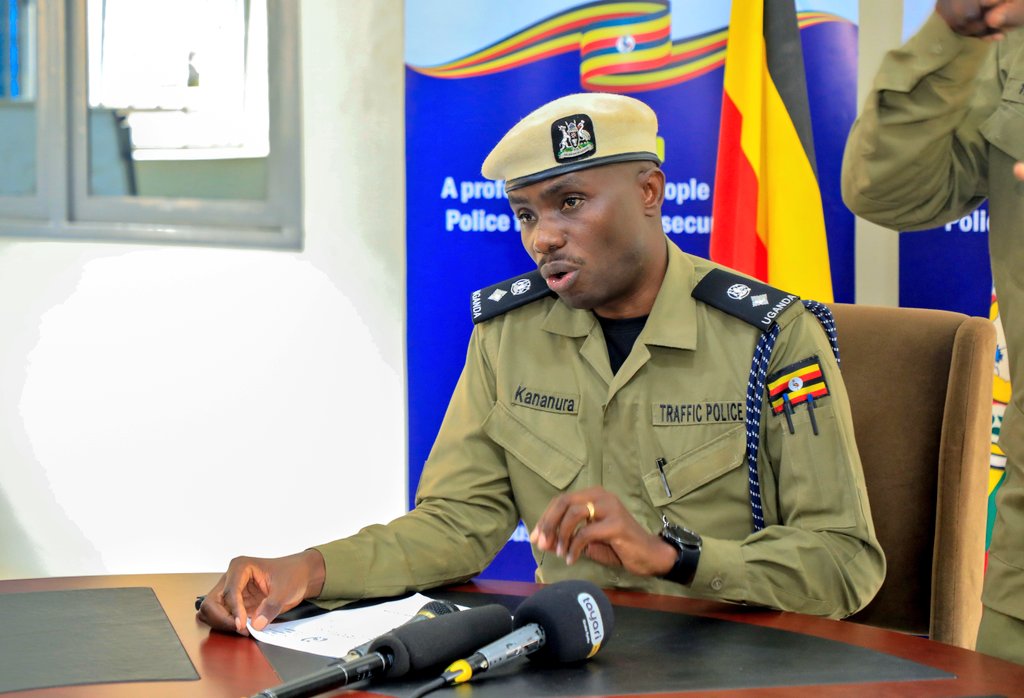
SP Kananura said darkness presents motorists with additional challenges because reduced visibility makes it harder to detect pedestrians, approaching vehicles, road obstructions and other hazards in time to react.
But visibility is not the only problem.
Fatigue is another silent danger.
A tired driver may struggle to maintain concentration, respond quickly to sudden hazards or maintain proper control of a vehicle.
The risk is particularly serious for drivers operating buses, taxis and trucks who spend long hours on the road and may be tempted to continue driving despite exhaustion.
The warning comes as the government moves to strengthen safety measures for public buses, including restrictions on how drivers operate long-distance routes.
Police call for a change in driving culture
The Directorate of Traffic and Road Safety is urging motorists to place safety above speed, particularly when travelling at night.
Drivers are being advised to get adequate rest before starting a journey and to maintain safe speeds appropriate to the road and visibility conditions.
Police are also calling on motorists to ensure that headlights, brake lights, indicators and other vehicle lights are functioning properly.
Drivers should remain alert, avoid dangerous overtaking and maintain a safe following distance from vehicles ahead.
Most importantly, motorists who begin feeling tired or drowsy are advised to stop and rest rather than attempt to push through the journey.
Speeding and careless overtaking are particularly dangerous at night because limited visibility reduces the amount of time available to identify and respond to approaching vehicles.
For passengers, the message is equally important: road safety is not only the responsibility of the person behind the wheel. Choosing responsible operators, speaking up against dangerous driving and avoiding unnecessary pressure on drivers to speed can also help save lives.
Uganda’s recent crashes show how quickly an ordinary journey can turn into a tragedy.
The police appeal is therefore simple: prioritise safety over speed.
As the Directorate of Traffic and Road Safety puts it, “Arriving late is better than not arriving at all.”
On Uganda’s increasingly busy roads, especially after dark, those few extra minutes could mean the difference between reaching home safely and never arriving at all.