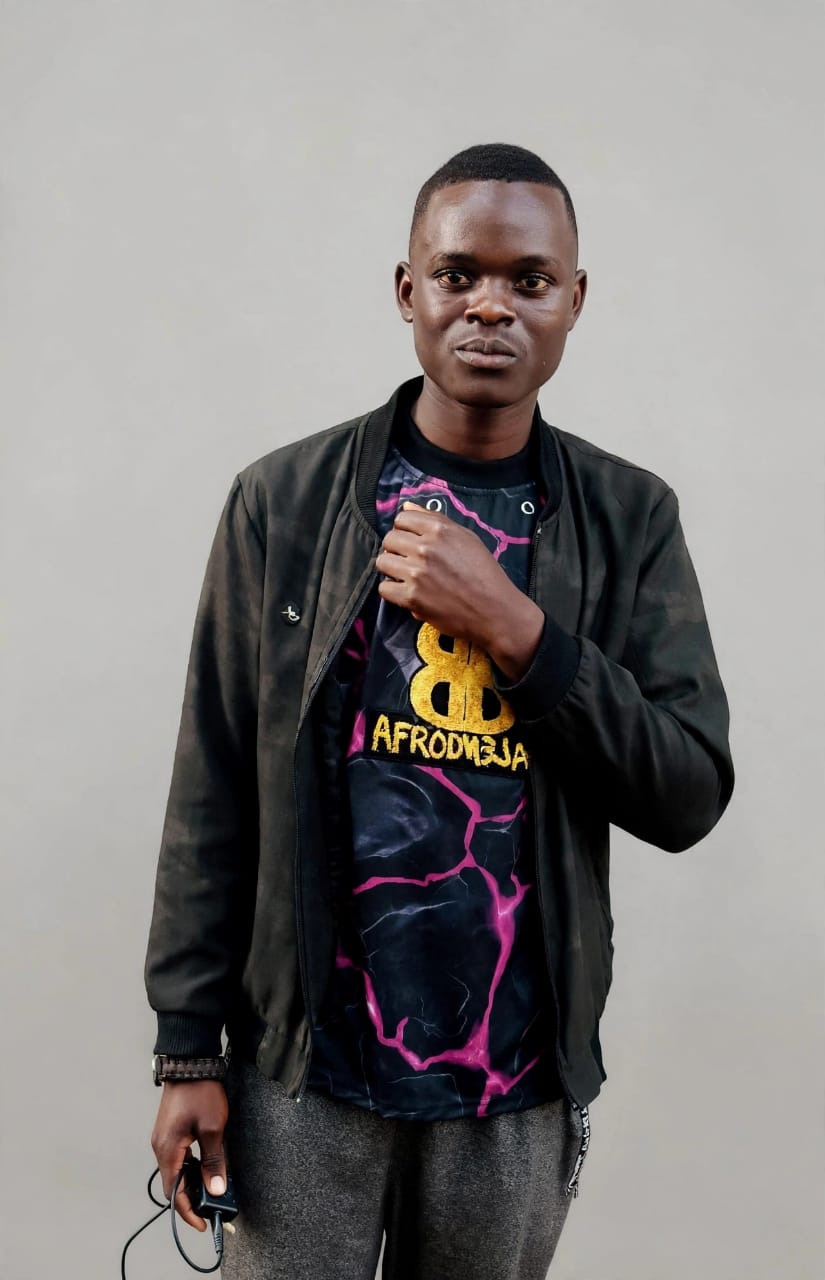
Nalubowa’s withdrawal signals tactical reset in ongoing Masaka Woman MP legal battle
While Nameere’s camp views the withdrawal as confirmation of the recount’s legitimacy, Nalubowa maintains that the legal fight is far from over and insists the next court action will focus on what she describes as serious flaws in the recount process.

The withdrawal of multiple High Court applications by National Unity Platform (NUP) candidate Rose Nalubowa following Justice Simon Peter Kinobe’s refusal to recuse himself marks a significant turning point in the legal dispute over the Masaka City Woman Member of Parliament seat.
Nalubowa had sought judicial review of a controversial vote recount that reversed the Electoral Commission’s earlier declaration and installed National Resistance Movement (NRM) candidate Justine Nameere as the winner. Her legal team argued that the recount process was marred by irregularities, including contested ballot handling and procedural inconsistencies.
The legal battle intensified when Nalubowa requested Justice Kinobe’s recusal, citing concerns about impartiality. The judge rejected the request and confirmed he would proceed with the case. Shortly afterward, Nalubowa withdrew the applications, stating she intends to pursue a full election petition — a broader legal avenue that allows detailed examination of electoral procedures and evidence.
Legal observers say the move could be a strategic shift, allowing her team to avoid preliminary rulings that might limit future legal arguments while refocusing the dispute on substantive electoral issues.
The Masaka City Woman MP race has been one of the most contentious contests of Uganda’s 2026 elections. Nalubowa was initially declared winner before Nameere successfully petitioned for a recount, which ultimately placed her ahead by more than 2,300 votes.
While Nameere’s camp views the withdrawal as confirmation of the recount’s legitimacy, Nalubowa maintains that the legal fight is far from over and insists the next court action will focus on what she describes as serious flaws in the recount process.
As the dispute moves toward a substantive election petition, analysts say the case could test broader questions about judicial independence, election dispute resolution, and the legal handling of vote recounts under Uganda’s electoral framework.