Uganda strengthens oil revenue governance through multi-sectoral oversight and EITI compliance
According to Minister Musasizi, in line with Section 56 of the Public Finance Management Act (PFMA) Cap 171, the Petroleum Fund transferred Shs 115.4 billion to the Consolidated Fund to support the national budget and Shs 166.5 billion to fund the operations of the Uganda National Oil Company for the 2024/2025 financial year.
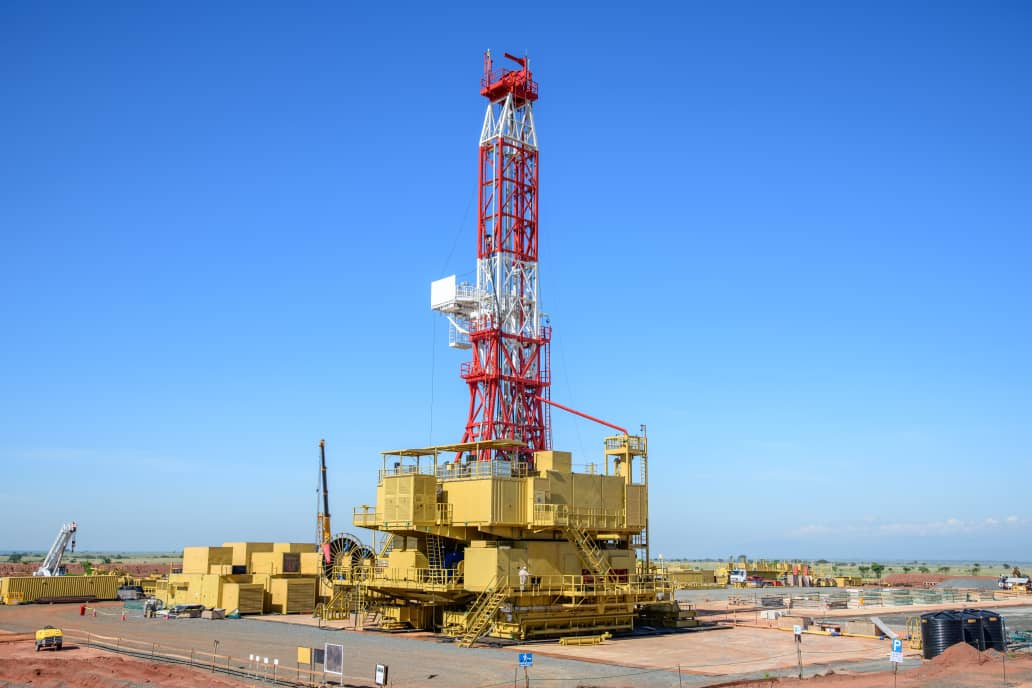
Uganda is stepping up its governance of petroleum resources through a structured, multi-sectoral institutional framework aimed at ensuring effective management, transparent reporting, and strategic investment of oil revenues.
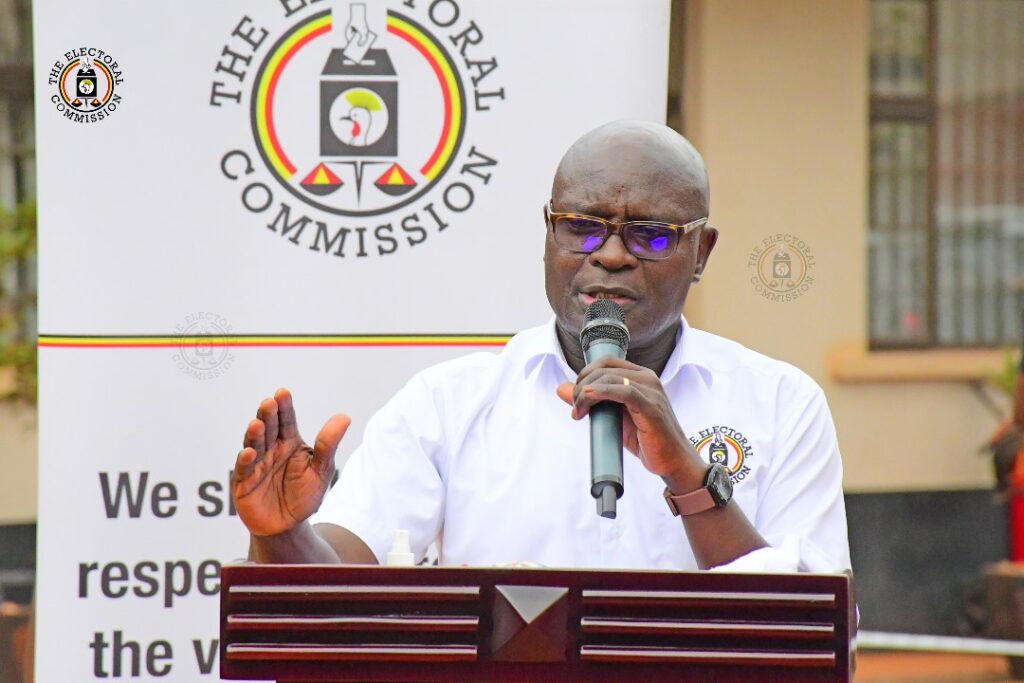
Minister of State for General Duties, Henry Musasizi, highlighted the framework during a recent session with the Parliamentary Committee on Finance to discuss the annual report of the Petroleum Fund.
Accompanied by representatives from the Uganda Revenue Authority, Petroleum Authority of Uganda, and Uganda National Oil Company, the Minister outlined the primary sources of revenue to the Fund.
These include tax contributions from companies engaged in petroleum exploration and development, as well as non-tax revenues from the sale of data, surface rentals, training and licensing fees, signature bonuses, and other related charges.
Petroleum Fund Performance and Allocations
According to Minister Musasizi, in line with Section 56 of the Public Finance Management Act (PFMA) Cap 171, the Petroleum Fund transferred Shs 115.4 billion to the Consolidated Fund to support the national budget and Shs 166.5 billion to fund the operations of the Uganda National Oil Company for the 2024/2025 financial year.
As of 30th June 2025, the Fund was valued at Shs 131.27 billion, slightly lower than the Shs 145.98 billion recorded the previous year. The Minister reassured Parliament that all statutory semi-annual and annual financial statements were prepared in compliance with PFMA regulations and audited by the Auditor General, ensuring accountability and transparency.
EITI: Cornerstone of Resource Governance
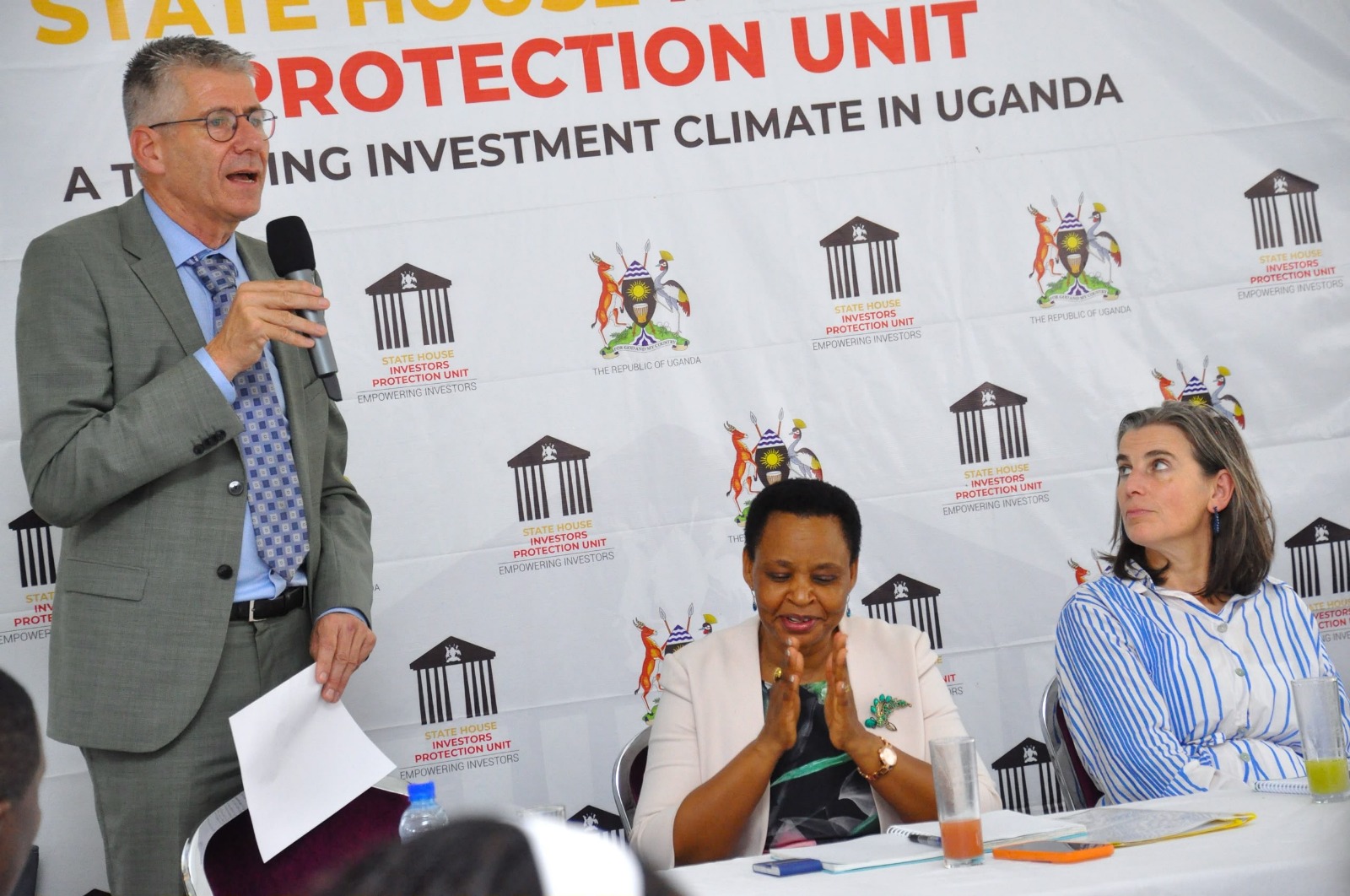
The Extractive Industries Transparency Initiative (EITI) remains central to Uganda’s governance framework for the oil, gas, and mining sectors. Minister Musasizi recently made these remarks during the 39th Uganda EITI Multi-Stakeholder Group (MSG) meeting at Protea Hotel, Kampala, where responsibilities were formally handed over from outgoing to incoming MSG members.
“Natural resources, if well managed, can be a powerful driver of inclusive growth, economic transformation, and sustainable development,” said Musasizi, emphasizing the strategic importance of transparency and accountability in the sector.
The MSG, chaired by Moses Kaggwa, comprises representatives from government, development partners, and civil society. Musasizi commended outgoing members for achievements during their tenure, including regular production of EITI reports and improvements in data management and accessibility.
To the new members, the Minister stressed that public expectations for transparency in resource management are high. “MSG should ensure that the EITI process is well aligned with the country’s national development priorities,” he added, reiterating government commitment to EITI principles.
Building Trust and Public Awareness
MSG Chair Kaggwa noted that Uganda’s EITI process has strengthened governance in the extractives sector over the past five years, building trust among stakeholders and enhancing public awareness.
Looking ahead, Uganda EITI plans to engage the Auditor General as an Independent Administrator for report production and will organize an Extractives Week in May 2026 to showcase the sector.
Uganda is also scheduled for its second EITI validation on 1st October 2026, a critical milestone for demonstrating compliance and progress.
With these measures, Uganda is positioning itself to ensure that oil and gas revenues are not only effectively managed but strategically leveraged to support national development objectives, economic transformation, and sustainable growth.