2026/27 National Budget: Finance allocates shs 1.14 trillion to innovation as Uganda bets on technology for economic growth
Finance Minister Henry Musasizi said innovation would be central to Uganda's ambition of expanding its economy tenfold over the coming years.
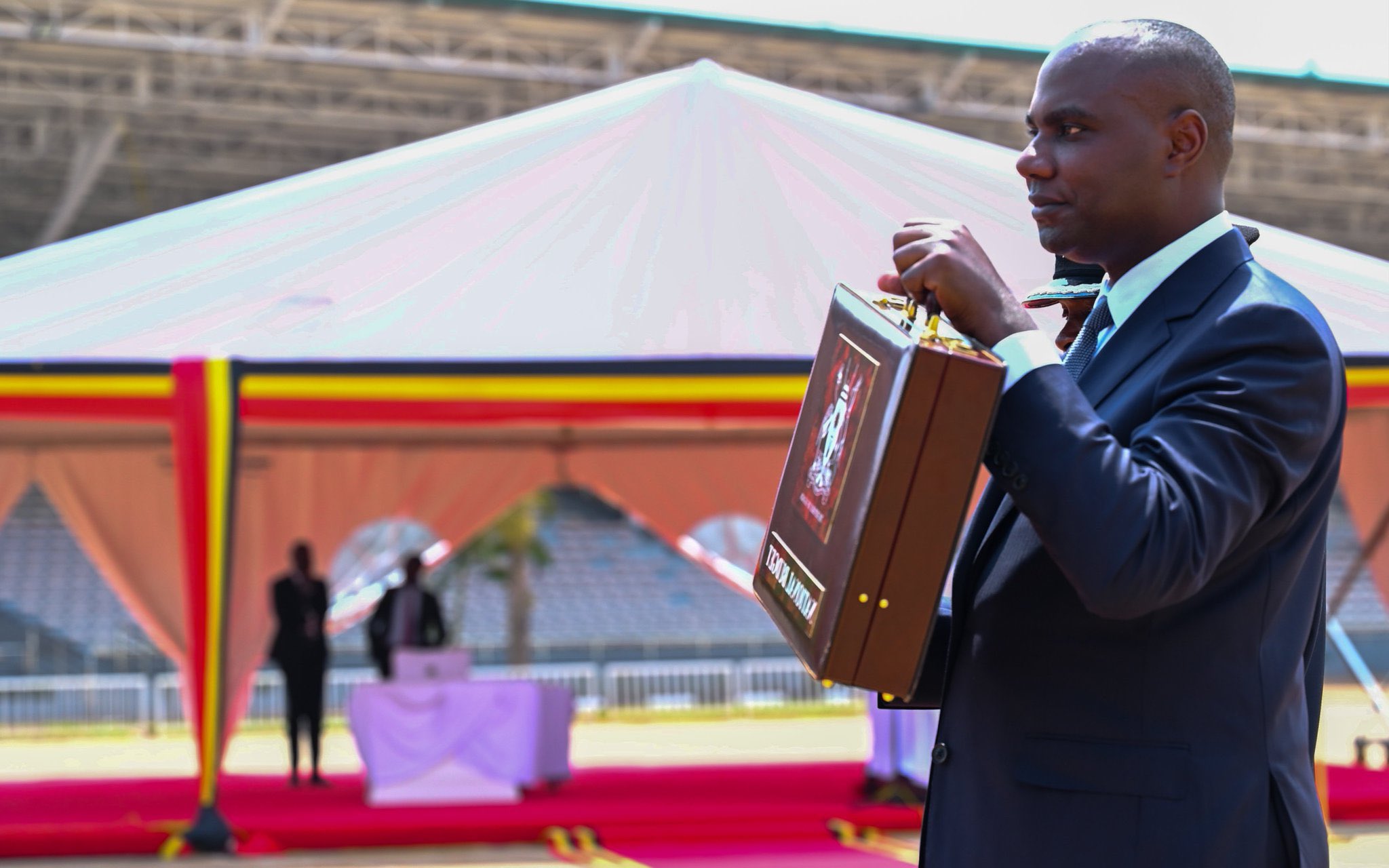
Uganda has allocated Shs1.14 trillion to science, technology and innovation in the 2026/27 financial year as government intensifies efforts to build a technology-driven economy.
Finance Minister Henry Musasizi said innovation would be central to Uganda’s ambition of expanding its economy tenfold over the coming years.
“No country has achieved rapid economic transformation without innovation,” Musasizi told Parliament while presenting the national budget.
“Science, Technology and Innovation, including ICT and the creative arts, are critical drivers of productivity, industrialisation and competitiveness.”
The sector recorded several major milestones during the year, including the commissioning of the Kiira Motors vehicle manufacturing plant in Jinja.
According to Musasizi, the facility can produce up to 2,500 buses annually and has already generated sales worth Shs 21.6 billion.
“The plant has received orders for 450 buses from Uganda and the region,” he said.
Government also reported significant growth in electric mobility.
To date, more than 25,000 electric vehicles, including buses, motorcycles and bicycles, have been manufactured locally.
In another major breakthrough, Soleil Power completed East Africa’s first production-scale lithium-ion battery assembly plant in Uganda.
The development is expected to strengthen Uganda’s position as a regional hub for electric mobility and clean energy technologies.
Government is also investing heavily in pharmaceutical manufacturing.
Musasizi highlighted the growth of companies such as Microhaem Scientifics, Dei BioPharma and Jena Herbals.
Microhaem Scientifics now generates approximately USD 75 million annually from diagnostic kits used in malaria, HIV and sickle cell testing.
Meanwhile, Dei BioPharma has secured approvals for several essential medicines while Jena Herbals has established a pharmaceutical manufacturing facility in Soroti.
The minister said the investments were helping Uganda reduce imports and create high-value jobs.
Uganda also registered progress in space science.
Government established modern satellite infrastructure at the National Space Centre in Mukono and successfully deployed a climate camera to the International Space Station.
The technology is expected to improve climate monitoring, environmental management and disaster preparedness.
In digital transformation, government installed an additional 879 kilometres of fibre optic cable, expanding the national fibre backbone to approximately 62,941 kilometres.
Internet costs have fallen from USD 70 to USD 35 per megabit per second.
Mobile money transactions increased by 29 percent to Shs 392.7 trillion while active mobile money accounts reached 36.7 million.
The creative industry also received a boost following enactment of the Copyright and Neighbouring Rights (Amendment) Act, 2025.
Government established the Uganda Creatives Revolving Fund, which had disbursed nearly Shs 19 billion to creative industry SACCOs by December 2025.
For FY 2026/27, priority areas include commercialisation of innovations, establishment of a Hi-Tech City, expansion of digital infrastructure, business process outsourcing and strengthening intellectual property protection.
Musasizi said the investments were intended to position Uganda as a competitive participant in the global knowledge economy.