Musasizi Pushes Industrial Park Infrastructure as Uganda Seeks to Accelerate Investment and Manufacturing
For years, Uganda has invested heavily in establishing industrial parks across the country to decentralise manufacturing and create employment.
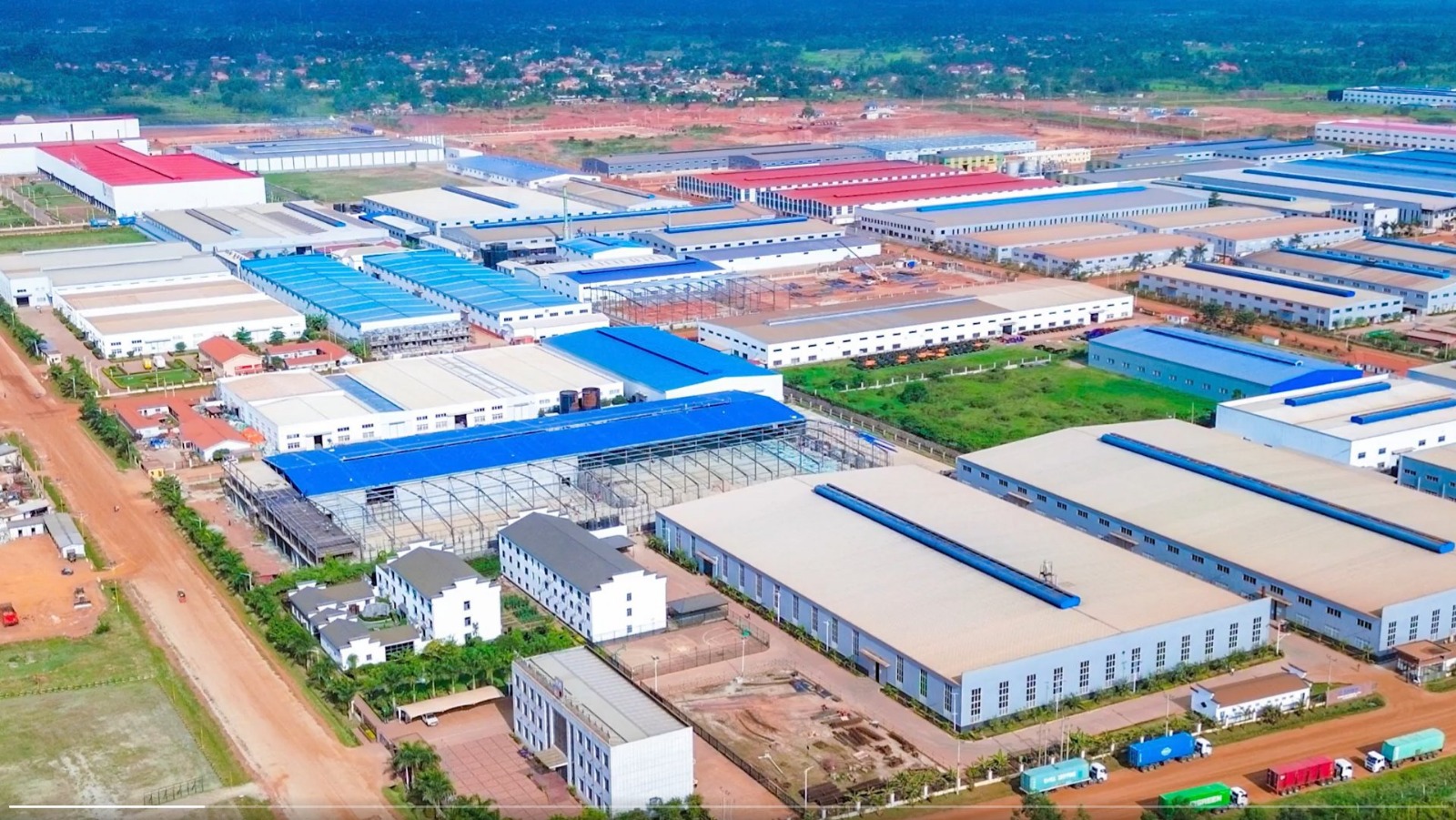
Finance Minister Henry Musasizi’s recent directive to the Uganda Investment Authority (UIA) to fast-track infrastructure development in industrial parks signals a renewed government focus on removing one of the biggest barriers to industrialization – insufficient supporting infrastructure.
Speaking during a meeting with the UIA management led by Director General Robert Mukiza, Musasizi emphasised that roads, electricity and water must be completed before industrial parks are licensed, underscoring a shift towards developing investment-ready industrial zones rather than simply allocating land to investors.
The directive aligns with Uganda’s broader ambition of transforming the economy through industrialisation, value addition and export-led growth under the government’s Tenfold Growth Strategy.
Infrastructure remains the foundation of industrialisation
For years, Uganda has invested heavily in establishing industrial parks across the country to decentralise manufacturing and create employment.
However, many parks have struggled to attract investors because essential infrastructure has either been incomplete or developed long after land was allocated.
Without reliable electricity, efficient road networks and adequate water supply, manufacturers face significantly higher production costs, reducing Uganda’s competitiveness compared to regional investment destinations.
Musasizi’s insistence that parks should only be licensed when these services are available reflects recognition that infrastructure is no longer an optional complement to investment promotion—it is the investment itself.
A fully serviced industrial park lowers operational risks, shortens project implementation timelines and improves investor confidence.
Strong progress, but gaps remain
According to UIA Director General Robert Mukiza, 14 of Uganda’s planned 25 industrial and agricultural business parks are now fully operational.
These parks host 463 operational companies that have mobilised investments worth USD 5.881 billion while creating more than 164,230 direct and indirect jobs, largely driven by manufacturing.
These figures demonstrate that industrial parks have become an increasingly important pillar of Uganda’s industrial policy.
Beyond employment, manufacturing investments generate demand for local suppliers, expand export capacity, increase tax revenues and encourage technology transfer.
However, with 11 planned parks yet to become fully operational, significant work remains before Uganda can fully realise its industrial ambitions.
Investment facilitation must match infrastructure
While physical infrastructure is essential, Mukiza argued that administrative efficiency must improve alongside it.
His proposal to operationalise regional One Stop Centres within industrial parks addresses a longstanding challenge facing investors, bureaucratic delays.
Businesses often require approvals from multiple government agencies before commencing operations.
A decentralised One Stop Centre capable of issuing permits, licences and regulatory approvals from one location could significantly reduce the time and cost of establishing businesses.
This approach mirrors international best practice, where investment facilitation extends beyond attracting investors to ensuring they can establish operations quickly and efficiently.
Reliable and affordable power remains critical
One of the most significant concerns raised by UIA was the need for competitive electricity tariffs and dedicated substations within industrial parks.
Although Uganda has substantially expanded electricity generation capacity over the past decade, manufacturers continue to cite energy costs and occasional supply interruptions as key constraints.
Manufacturing competitiveness depends heavily on stable and affordable electricity.
Dedicated substations would improve reliability, while more competitive industrial tariffs could enhance Uganda’s attractiveness relative to neighbouring countries competing for the same investors.
Lower production costs would also strengthen the competitiveness of Ugandan exports in regional and international markets.
Rethinking land allocation
State Minister for Privatisation and Investment, Aminah Zawedde Mukalazi, proposed reviewing land ownership arrangements within industrial parks.
Her suggestion that undeveloped land should revert to government after a specified period addresses a recurring challenge affecting many industrial parks.
In several cases, investors have acquired land but delayed development for years, effectively limiting opportunities for other businesses ready to invest.
Introducing stronger utilisation requirements could improve land productivity, discourage speculation and accelerate industrial development.
Such policies are common in successful industrial zones globally, where land allocation is tied to clear investment milestones.
Better licensing could improve investor confidence
Mukalazi also called for stronger licensing systems and improved follow-up with investors after project approval.
Investment promotion does not end when licences are issued.
Businesses frequently encounter regulatory, infrastructure or operational challenges that require continued government support.
Strengthening the One Stop Centre with officers empowered to make decisions could shorten approval timelines and reduce administrative bottlenecks that discourage investment.
Equally important is ensuring that all available investment incentives are clearly communicated to prospective investors.
Transparent and predictable incentive regimes help investors make informed decisions and improve Uganda’s competitiveness in attracting foreign direct investment.
What this means for Uganda’s economy
If implemented effectively, the directives issued during the meeting could significantly strengthen Uganda’s industrial ecosystem.
Better infrastructure would lower business costs, faster licensing would improve the ease of doing business and stronger park management would maximise returns from public investment.
Industrial parks remain central to Uganda’s strategy of shifting from exporting raw materials to producing higher-value manufactured goods.
Expanding manufacturing has the potential to create thousands of additional jobs, diversify exports, increase foreign exchange earnings and broaden the country’s tax base.
However, success will ultimately depend on execution.
Completing infrastructure projects on schedule, ensuring reliable electricity, improving institutional coordination and enforcing land utilisation policies will determine whether industrial parks become engines of economic transformation or underutilised public assets.
Creating Environment for Investment
The meeting highlights a growing recognition within government that attracting investment requires more than marketing Uganda as a destination. Investors increasingly evaluate the quality of infrastructure, regulatory efficiency, utility reliability and aftercare services before committing capital.
By prioritising serviced industrial parks, strengthening investment facilitation and improving accountability in land allocation, Uganda is positioning itself to attract higher-quality investments capable of supporting manufacturing-led growth.
For businesses, the message is encouraging: government appears increasingly focused not just on attracting investors, but on creating an environment where investments can thrive, expand and contribute meaningfully to the country’s long-term economic transformation.