Census insights expose school access gaps among orphans, Uganda’s most vulnerable children
Dr. Chris Mukiza described the monograph as a critical tool for addressing complex social challenges, including child-headed households, school dropouts, early pregnancies, and early marriages.
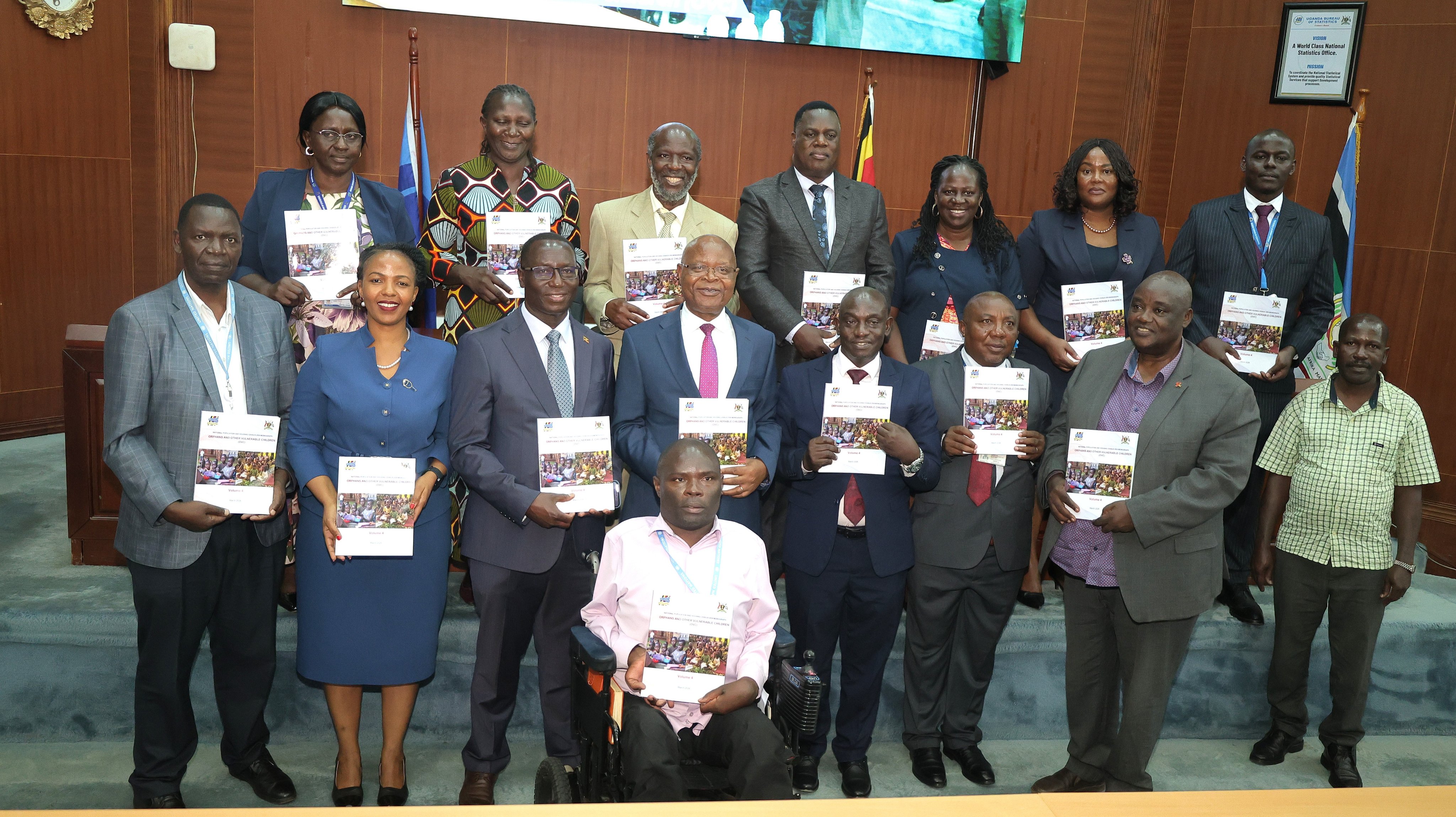
Fresh data from Uganda Bureau of Statistics (UBOS) is reshaping the national conversation on child welfare, revealing the depth of vulnerability among millions of Ugandan children and underscoring the urgent need for targeted, evidence-based interventions.
The findings were unveiled during the launch of the Orphans and Other Vulnerable Children Census Monograph 2024 Volume 4, a detailed publication derived from the 2024 National Population and Housing Census. The monograph is the latest in a series of sector-focused reports aimed at guiding policy and development planning.
A Data-Driven Picture of Vulnerability
According to UBOS, children below 18 years account for 22.2 million of Uganda’s population, highlighting the scale at which child-focused policies must operate. Of these, 13 percent, approximately 2.9 million, are orphans, having lost one or both parents.
The data reveals stark disparities in access to education, particularly among younger children.
A significant proportion of orphans aged 3–5 years have never attended school, with boys (62.3%) more affected than girls (60.5%). Even among non-orphans, school exclusion remains high, pointing to broader systemic gaps in early childhood education.
Rural-urban inequalities are also evident. Orphanhood is more prevalent in rural areas (13.5%) compared to urban settings (11.9%), reflecting persistent disparities in access to social services and economic opportunities.
Beyond Numbers
Dr. Chris Mukiza described the monograph as a critical tool for addressing complex social challenges, including child-headed households, school dropouts, early pregnancies, and early marriages.
“The indicators we are disseminating will equip policymakers and other stakeholders with evidence to strengthen planning and decision-making,” he said.
Dr Mukiza emphasised that the production of such reports is demand-driven, designed to close data gaps and respond to emerging socio-economic challenges.
He also called for stronger statistical systems at all levels, urging institutions such as Tooro Kingdom to establish dedicated statistical units to support localized planning.
Aligning Data with National and Global Commitments
Officials say the monograph comes at a critical time as Uganda seeks to strengthen its alignment with international frameworks, including the United Nations Convention on the Rights of the Child and the African Charter on the Rights and Welfare of the Child.
Aggrey Kibenge, the Permanent Secretary, Ministry of Gender, Labour and Social Development, noted that the report provides disaggregated insights across key child rights pillars, survival, development, protection, and participation, enabling more equitable and targeted service delivery.
“The findings strengthen Uganda’s capacity to plan effectively and deliver impactful services,” he said, adding that government remains committed to translating the data into concrete action.
The Economics of Data and Development
The report also highlights the growing recognition of data as a strategic national asset. Representing the UBOS Board, Allen Kabagenyi stressed that reliable statistics are central to informed decision-making and sustainable development.
UBOS credited the Ministry of Finance Planning and Economic Development for funding 97 percent of the 2024 census, a move described as a major investment in the country’s data infrastructure.
Meanwhile, UNICEF reaffirmed its support, with its representative noting that accurate data is essential for identifying who vulnerable children are, where they are, and how best to support them.
Implications for Policy and Practice
Analysts say the monograph’s findings expose not only the scale of vulnerability but also the structural inequalities that perpetuate it, from limited early education access to rural service delivery gaps.
By providing granular, location-specific data, the report enables policymakers, civil society, and development partners to design targeted interventions that address the root causes of child vulnerability rather than its symptoms.
As Uganda pushes toward socio-economic transformation, the challenge now lies in converting this data into action, ensuring that the millions of vulnerable children captured in the statistics are not left behind in the country’s development trajectory.