
East Africa central bank governors push for single currency by 2031 despite missed economic targets
As the region works towards a single currency, policymakers say the coming years will be critical in determining whether East Africa can bridge existing economic gaps and deliver one of the continent's most significant integration milestones.
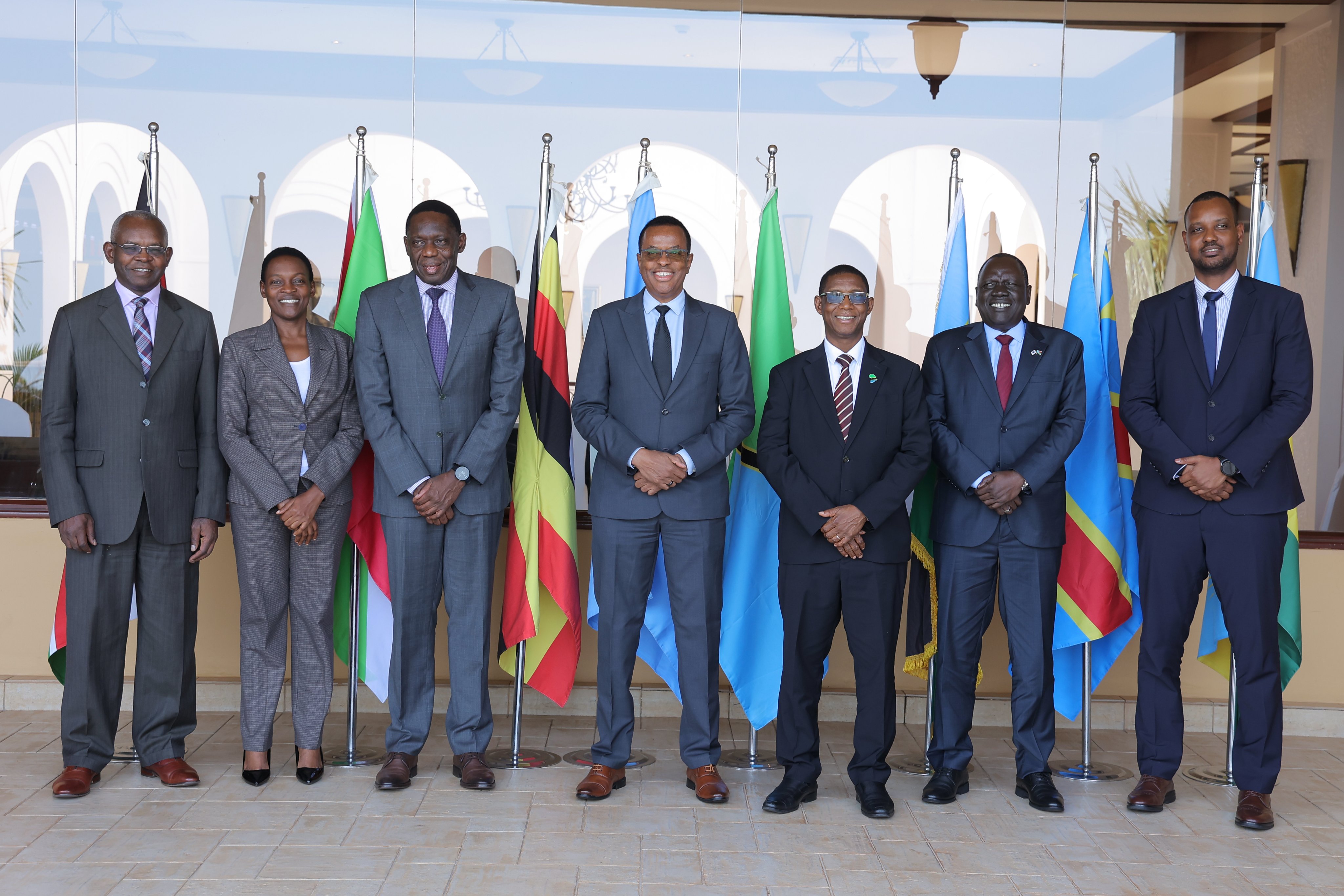
East African Community (EAC) central bank governors have renewed their commitment to launching a single regional currency by 2031, even as they acknowledged that Partner States continue to fall short of key economic targets required to establish the East African Monetary Union (EAMU).
The commitment was reaffirmed during the 29th Ordinary Meeting of the EAC Monetary Affairs Committee (MAC), held in Kampala and chaired by Bank of Uganda Governor Dr Michael Atingi-Ego.
The meeting brought together governors and heads of delegation from the central banks of all seven EAC Partner States to assess progress towards monetary integration and chart a way forward for one of the bloc’s most ambitious economic projects.
Convergence challenges remain
Despite notable economic resilience across the region, the governors admitted that progress towards meeting the macroeconomic convergence criteria agreed in 2013 has been uneven.
The criteria, including inflation, fiscal deficits, public debt, foreign exchange reserves and exchange rate stability, are intended to align national economies before the introduction of a common currency.
Dr Atingi-Ego warned that repeated failure to meet these benchmarks could undermine confidence in the regional integration agenda.
“Our commitment to the Monetary Union is not in question—but a candid review shows that we are consistently falling short of the convergence criteria, including the reserve and inflation targets that fall squarely within our central banks’ mandates,” he said.
He added that continued divergence risks eroding the credibility of the shared vision of both monetary and political integration.
To restore momentum, the committee called for stronger peer-review mechanisms, binding national action plans, harmonised policy frameworks and enhanced regional surveillance to ensure Partner States honour agreed commitments.
Regional economy shows resilience
While challenges remain, the committee highlighted encouraging economic performance across the bloc.
The EAC economy is projected to grow by 5.2 per cent in 2026, significantly outperforming the Sub-Saharan Africa average of 4.3 per cent.
Inflation has also moderated, declining to 6.7 per cent from 9.6 per cent recorded during the previous financial year, reflecting improved macroeconomic stability despite global economic uncertainties.
The governors said the positive outlook provides a stronger foundation for advancing monetary integration, provided countries maintain prudent fiscal and monetary policies.
Modernising regional payments
A key focus of the meeting was accelerating implementation of the EAC Cross-Border Payment System Masterplan, a critical pillar in preparing the region for a common currency.
Once fully implemented, the system is expected to make cross-border transactions faster, cheaper and more secure while improving interoperability between national payment systems.
The initiative is also expected to promote financial inclusion, reduce transaction costs for businesses and consumers, facilitate trade and investment, and deepen regional financial integration.
For businesses operating across East Africa, seamless payment systems could significantly lower the cost of doing business by reducing reliance on correspondent banking and shortening settlement times.
Opportunities for trade and investment
Economists argue that a successful monetary union could transform East Africa into one of Africa’s largest integrated markets by eliminating exchange rate risks, lowering transaction costs and increasing investor confidence.
However, they caution that such benefits can only be realised if Partner States maintain fiscal discipline and align economic policies to prevent macroeconomic imbalances.
The Monetary Affairs Committee emphasised that achieving the 2031 target will require sustained political will, stronger regional institutions and faster implementation of agreed reforms.
Shared responsibility
EAC Deputy Secretary General for Customs, Trade and Monetary Affairs, Annette Ssemuwemba, called on Partner States to strengthen collaboration in implementing the roadmap towards the East African Monetary Union.
She urged governments to embrace consensus and shared responsibility to deepen regional integration and unlock greater economic opportunities for East Africans.
As the region works towards a single currency, policymakers say the coming years will be critical in determining whether East Africa can bridge existing economic gaps and deliver one of the continent’s most significant integration milestones.