Proposal for NGO funding act sparks national debate in Uganda
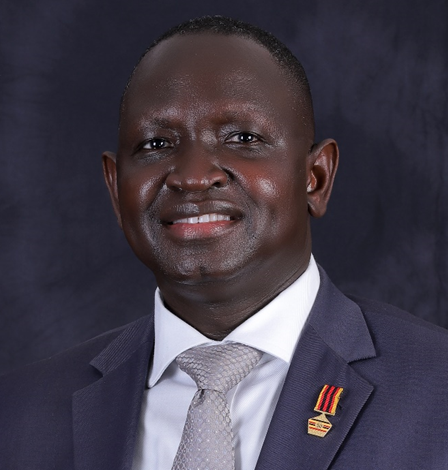
Lawmakers have expressed mixed views on the proposal. Kawempe North MP Elias Nalukoola, a senior advocate, said NGOs play a complementary role to government and should not be treated as adversaries.

A proposal to introduce a new NGO Funding Act in Uganda has triggered intense public and political debate, renewing scrutiny of the non-governmental sector, its reliance on foreign donors, and allegations of serious misconduct involving some organisations.
The debate stems from a petition by Nyanzi Martin Luther to Uganda’s Twelfth Parliament, urging lawmakers to consider legislation that would shift funding for community-based non-governmental organisations from foreign donors to direct government support.
Nyanzi questioned why locally operating NGOs receive tax exemptions yet depend almost entirely on foreign funding, despite contributing to local economies.
“We pay taxes locally and still seek funding from the EU, but it’s difficult to get recognised,” Nyanzi argued, calling for a domestic funding framework that strengthens grassroots civil society.
Existing Law and Heightened Oversight
Uganda’s NGO sector is regulated under the Non-Governmental Organisations Act, 2016, which governs registration, operations, and funding. While the law seeks to provide an enabling environment, it also imposes strict oversight to curb foreign interference in domestic affairs.
Ahead of the 2026 general elections, government authorities have repeatedly warned NGOs against over-reliance on external donors, citing Section 46 of the Act, which encourages self-sustainability.
In November 2024, authorities suspended 54 NGOs for non-compliance, citing expired permits and operational irregularities. Government officials later said engagements were ongoing to resolve the issues before the elections.
In January 2026, reports indicated that Nyanzi formally requested Parliament to enact legislation aimed at reducing dependency on foreign aid and strengthening locally driven civil society initiatives.
Parliamentary Reactions: Support and Caution
Lawmakers have expressed mixed views on the proposal. Kawempe North MP Elias Nalukoola, a senior advocate, said NGOs play a complementary role to government and should not be treated as adversaries.
“NGOs fill gaps in service delivery. Government support could enhance sustainability and local ownership. It should be about collaboration, not dependency,” Nalukoola said, adding that strategic funding could help align NGO work with national development priorities.
However, government budget allocations appear focused on regulation rather than direct financing. In the 2026/27 financial year, government allocated Shs2.088 billion towards NGO regulation.
The Leader of the Opposition (LoP) cautioned that government funding would be unlikely unless a clear distinction is made between non-governmental organisations (NGOs) and community-based organisations (CBOs).
According to the opposition, CBOs operate at grassroots level and should not be treated in the same category as nationally or internationally connected NGOs, warning that failure to differentiate the two could expose public funds to misuse and politicisation.
Public Outcry and Trafficking Allegations
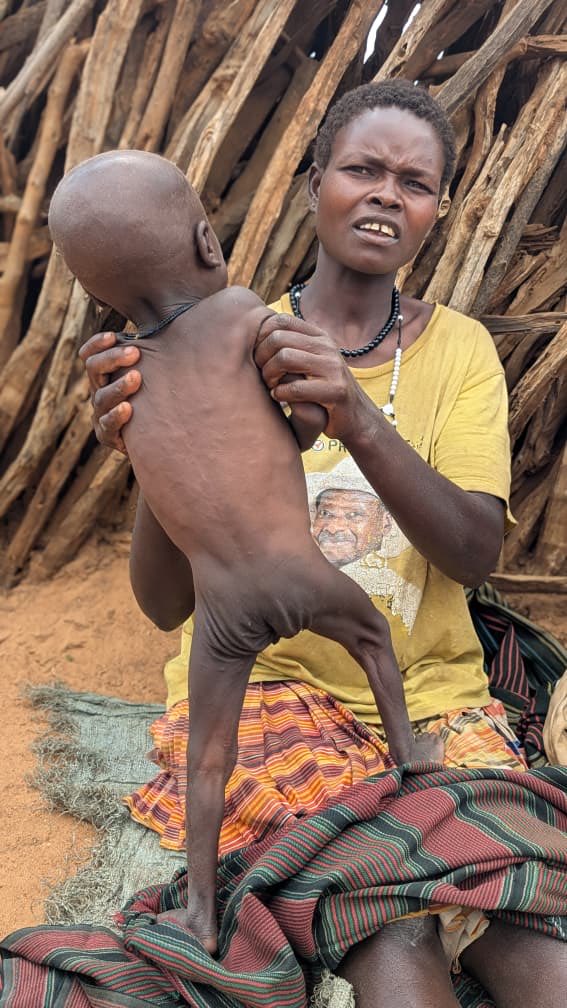
Beyond Parliament, the proposal has ignited strong reactions on social media, including serious allegations of child trafficking involving some NGOs.
A verified social media user and athletics coach alleged that certain organisations are part of child trafficking networks, claiming that investigations would uncover “evil, established systems.” He also questioned the sustainability of NGOs amid declining donor funding and accused parts of the sector of exploiting vulnerable children.
The claims shocked other users, with one responding simply: “I’m speechless.”
Some commentators linked the debate to regional and global concerns, citing poverty-driven child exploitation in Kenya’s Kilifi region and alleged aid diversion in Somalia, where United Nations audits have previously flagged misuse of humanitarian funds.
Other allegations accused international donors and institutions — including USAID, the European Union, the United Nations, and the International Criminal Court — of shielding NGOs from scrutiny. These claims remain unsubstantiated.
A Sector Under Pressure
While no official investigations have confirmed the allegations circulating online, the debate has exposed deep public mistrust of NGOs and growing demands for greater transparency, accountability, and regulation.
Civil society organisations remain critical to Uganda’s health, education, humanitarian relief, and governance sectors. However, they now face mounting regulatory pressure, shrinking foreign donor support, and rising public skepticism.
As Parliament weighs potential reforms to the NGO funding framework, the outcome is likely to hinge on whether lawmakers can clearly distinguish NGOs from community-based organisations and establish safeguards that protect public funds while preserving civil society independence.
For now, the debate reflects a broader national challenge: balancing sovereignty, accountability, and development needs while maintaining public trust in institutions tasked with serving Uganda’s most vulnerable communities.