Go Tubing & Rafting Adventures: Private operators transforming Jinja into Uganda’s adventure economy hub
For years, Jinja’s appeal revolved around its identity as the source of the Nile. But tour operators, like Go Tubing & Rafting Adventures, are now leaning into the “experience economy,” offering a portfolio that includes tubing, white-water rafting, kayaking, ziplining, horse riding, and sunset cruises, all within a single destination.
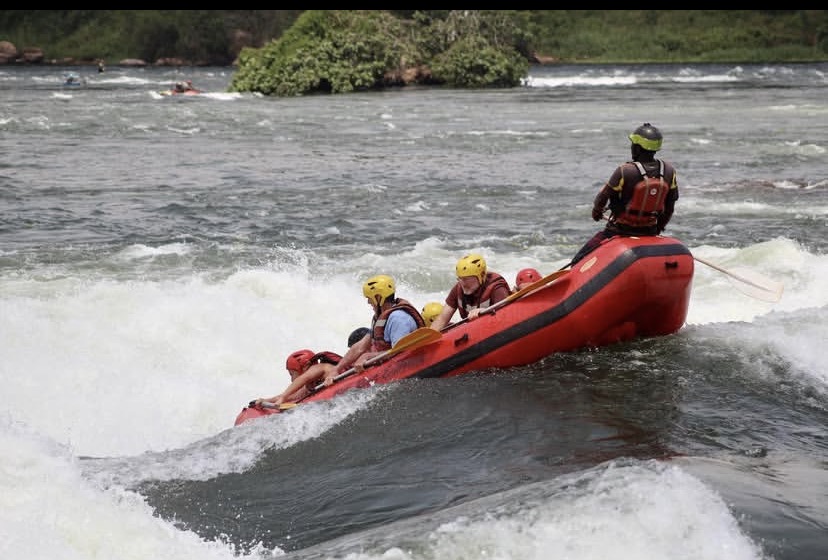
What was once marketed primarily as a historical stopover at the Source of the Nile is steadily evolving into one of Uganda’s most commercially dynamic domestic tourism markets, as private sector players repackage Jinja into a multi-activity, high-frequency travel destination.
At the centre of this shift is Go Tubing & Rafting Adventures, whose latest campaign underscores a broader industry trend: turning single-attraction destinations into bundled lifestyle experiences that drive longer stays and higher visitor spending.
From landmark tourism to experience economy
For years, Jinja’s appeal revolved around its identity as the source of the Nile. But tour operators, like Go Tubing & Rafting Adventures, are now leaning into the “experience economy,” offering a portfolio that includes tubing, white-water rafting, kayaking, ziplining, horse riding, and sunset cruises, all within a single destination.
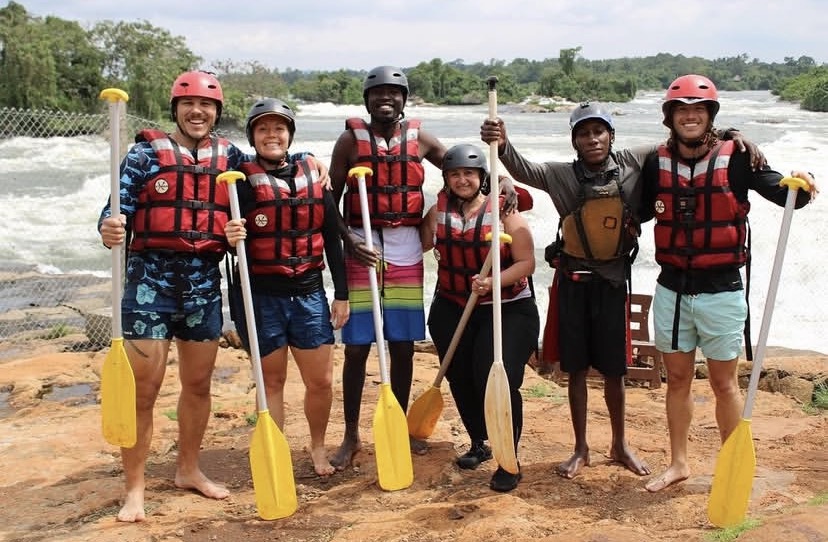
This model reflects a deliberate attempt to monetise different traveller segments simultaneously. Leisure seekers can opt for calm boat rides and riverside relaxation, while adrenaline enthusiasts are drawn to high-intensity activities like bungee jumping and rafting.
The result is a layered tourism product that increases the average spend per visitor while reducing reliance on seasonal or single-purpose travel.
Bundling drives value, and margins
Operators are increasingly packaging activities with accommodation, transport, and guided tours to create seamless travel experiences. Sites such as Buwenda Camping Site are being positioned not just as places to stay, but as integrated lifestyle hubs offering proximity to multiple attractions.
This bundling strategy is proving commercially significant. By controlling more of the tourism value chain, from accommodation to activity delivery, operators can capture higher margins while offering competitive pricing to domestic travellers.
Industry observers say this approach mirrors trends in more mature tourism markets, where convenience and curated experiences are key drivers of consumer choice.
Domestic market takes centre stage
The renewed focus on Jinja comes amid a wider shift toward domestic tourism as a stable revenue base. Encouraged by campaigns from the Uganda Tourism Board, more Ugandans are opting for short, experience-rich getaways within driving distance of Kampala.
Jinja’s proximity, just a few hours from the capital, gives it a strategic advantage, particularly for weekend travel, corporate retreats, and youth group excursions.
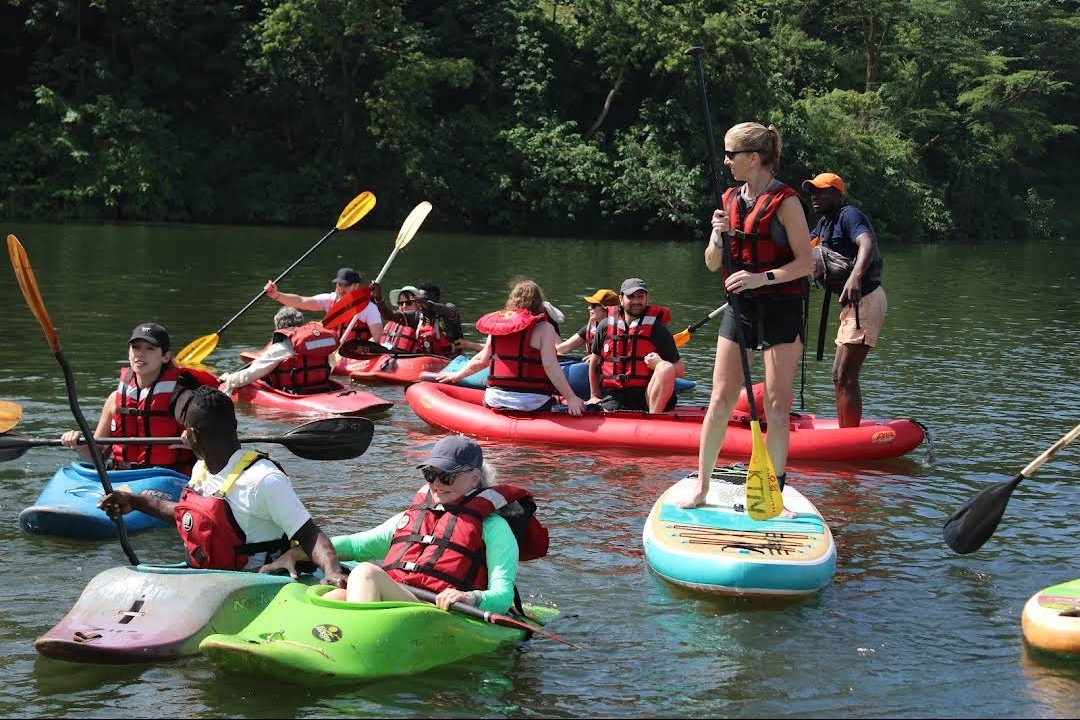
Tourism operators note that younger consumers are shaping demand, favouring adventure, social experiences, and flexible itineraries over traditional, structured tours.
Investment, jobs, and local enterprise
The expansion of activity-based tourism is also stimulating micro-enterprises across Jinja. From guides and safety crews to food vendors and transport providers, the ecosystem supporting adventure tourism is widening.
As operators scale up, there is growing emphasis on safety standards, trained personnel, and partnerships with health providers, factors that are increasingly critical in sustaining consumer confidence.
A blueprint for tourism diversification
Jinja’s transformation offers insight into how Uganda’s tourism sector can diversify beyond wildlife and conservation-based attractions. By leveraging natural assets like the Nile and layering them with commercial experiences, the town is positioning itself as a replicable model for other regions.

For businesses, the message is clear: tourism growth in Uganda is no longer confined to international arrivals. With the right mix of product innovation, marketing, and infrastructure, domestic travellers are emerging as a powerful and sustainable market segment.
As competition intensifies, the success of ventures like Go Tubing & Rafting Adventures suggests that the future of tourism in Uganda will be defined less by where people go, and more by what they can do when they get there.